Benefits of HOA Committees: 13 Reasons to Have Them

Running a community comes with a lot of moving parts. Between budgets, maintenance, rules, and neighbor questions, even a strong board can feel stretched thin. This is where the benefits of HOA committees really start to show.
Browse By Category
Sign up for Our Newsletter


Sign up for Our Newsletter
Trending Now


Running a community comes with a lot of moving parts. Between budgets, maintenance, rules, and neighbor questions, even a strong board can feel stretched thin. This is where the benefits of HOA committees really start to show.
When you build the right committees, you tap into resident talent, share the workload, and support smoother HOA community management without burning out your board.
What Are HOA Committees?
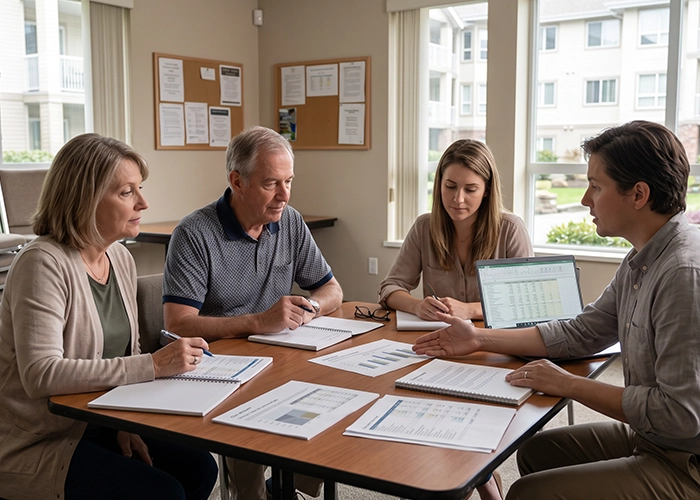
HOA committees are groups of volunteer homeowners who help the board handle specific tasks. They do not replace the board or make final decisions, but they study issues, make recommendations, and sometimes carry out projects that the board approves.
Most associations use committees for focused areas like architectural review, social events, finance, or maintenance. By giving each group a clear role, the board keeps control while gaining reliable support for daily HOA operations.
Committees usually work under a written charter that explains their purpose, authority, and reporting process. This keeps everyone aligned and avoids confusion about who does what and how decisions get made.
The Benefits of HOA Committees for Busy Boards
The clearest benefits of HOA committees show up in the board’s workload. When everything lands on a small group of directors, meetings get long, decisions move slowly, and small tasks pile up. Committees help break that cycle.
A committee can research options, gather bids, talk to residents, and then present a short summary with recommendations. Instead of trying to do all the legwork during a board meeting, directors can review committee work and focus on decisions. That saves time, reduces stress, and makes it easier to run a homeowners association in a steady, professional way.
1. Committees Help You Run a Homeowners Association More Smoothly

Good committees make it easier to run a homeowners association because they support the board where it matters most: planning, follow-through, and communication. When residents see that projects are moving, they are more likely to trust how the board operates.
For example, a maintenance or landscaping committee can walk the property, build a simple checklist, and bring back clear priorities. The board can then focus on approvals and budgeting instead of starting from scratch. Over time, this leads to fewer surprises, fewer last-minute decisions, and smoother HOA operations overall.
2. Committees Strengthen Everyday HOA Operations
Many associations struggle with the day-to-day details that keep a community in good shape. Committees can take on very practical tasks, which gives your HOA operations more structure and follow-through.
A few examples include reviewing vendor performance, helping track contracts and renewal dates, or checking that common areas stay clean and safe. While the board still signs the contracts and sets policy, committee input keeps the small details from slipping through the cracks. Residents feel the difference when lights work, landscaping looks neat, and shared spaces are cared for consistently.
3. Owners Get a Real Voice in HOA Community Management
One of the most important benefits of HOA committees is that they create more ways for owners to be involved. Not every resident wants a board seat, but many are happy to help in a smaller, focused role.
When committees are open and welcoming, owners feel like they have a genuine say in how the community runs. This helps build buy-in for rules, budgets, and projects. It also supports a healthier HOA community management because decisions reflect a wider mix of viewpoints instead of just a few board voices.
4. Committees Support Better Communication and Transparency
Good communication is one of the foundations of strong HOA community management. Committees can help gather questions, share updates, and relay feedback between the board and residents.
For example, a communication or social committee can assist with newsletters, bulletin boards, or community updates. They can help explain why certain projects are happening and what residents should expect. When people understand the “why” behind decisions, they are less likely to assume the worst and more likely to work with the board, not against it.
5. Committees Make It Easier to Keep Members Engaged

It is hard to run a homeowners association well when nobody wants to participate. Committees offer a lower-pressure way for residents to get involved, test the waters, and see how things work behind the scenes.
Serving on a committee shows homeowners that the board’s work involves real time and effort. It also gives them a chance to help plan events, review policies, or contribute their skills. Over time, these volunteers may decide to run for the board. This builds a healthy pipeline of future leaders instead of leaving you scrambling for candidates at election time.
6. Committees Build Leadership Skills in the Community
Another key benefit of HOA committees is leadership development. Committees give residents a chance to chair meetings, manage small projects, or present recommendations to the board. They learn how to read governing documents, compare proposals, and think about the big picture.
These experiences create stronger community leaders over time. When a board position opens, you already have people who understand the work and are ready to serve. This continuity is a big advantage for HOA operations, especially in self-managed or smaller communities that rely heavily on volunteers.
7. Committees Improve Financial Oversight and Planning
Financial decisions can make or break an association. A finance or budget committee can help the board review income, expenses, reserve contributions, and long-term projects. This gives your directors better information before they make choices that affect dues and services.
A finance-focused committee might help gather past financial reports, compare budget versus actual spending, or look at reserve study recommendations. While the board remains responsible for final approval, having a dedicated group review the details can catch issues early and support more stable budgeting.
8. Committees Help with Rules, Compliance, and Fairness
Enforcing rules is one of the hardest parts of HOA community management. A rules or architectural committee can help review violations, look at requests, and apply standards consistently. This spreads the responsibility and reduces the pressure on any one director.
When more than one person reviews a violation or architectural change, it is easier to explain decisions. Residents are more likely to accept outcomes if they see that a committee followed written guidelines and treated everyone the same way. That sense of fairness can reduce conflict and complaints over time.
9. Committees Make Projects and Events Easier to Manage

Community projects and events require planning, communication, and follow-up. A social or events committee can own the details while the board focuses on approvals and overall direction.
That committee might handle tasks like planning seasonal gatherings, organizing clean-up days, or coordinating volunteers. These activities support a stronger sense of community and make the neighborhood feel more connected. Strong social ties also help when the board needs support for big projects or changes. People are more open to listening when they already feel like part of a team.
10. Committees Protect Property Values and Curb Appeal
Healthy HOA operations help protect home values, and committees can support that goal in visible ways. A landscaping, maintenance, or architectural committee can keep an eye on common areas, exterior conditions, and overall curb appeal.
When a committee helps track issues and priorities, it becomes easier to schedule repairs, plan upgrades, and keep the community looking consistent. Buyers notice when an association looks organized and well cared for. That positive impression supports property values and reinforces the practical benefits of HOA committees for every owner.
11. Committees Support Long-Term Planning and Vision
A strong board does more than solve today’s problems. It also plans for the next three to five years. Committees can assist with long term planning by collecting resident input, reviewing reserve projects, and identifying trends in the community.
Some associations create a planning or strategic committee that looks at big-picture questions. That group might review amenities, study reserve needs, and ask what kind of community residents want in the future. Their work gives the board a clearer roadmap, which makes it easier to run a homeowners association in a thoughtful, steady way instead of always reacting to emergencies.
12. Committees Make Working with a Management Company More Effective
If your association hires a management company, committees can help make that relationship more productive. They act as an extra set of eyes and ears, spotting small issues early and passing information to the manager and the board.
For example, a maintenance committee might notice patterns with certain vendors, or a social committee might share feedback from recent events. When this information flows in a clear, organized way, your manager can respond more quickly and the board can make better decisions. The result is smoother HOA community management and a better experience for residents.
Making the Most of the Benefits of HOA Committees
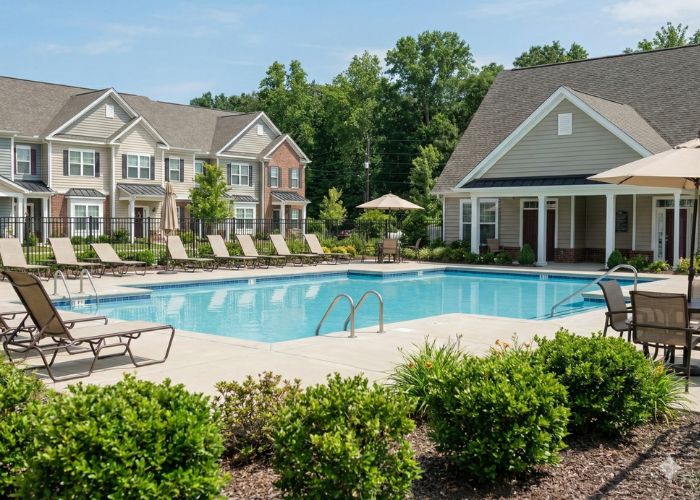
To see the full benefits of HOA committees, your board needs a simple, clear structure. Each committee should have a written charter, a defined scope, and a basic reporting schedule. The board should also check in regularly to make sure committee work stays aligned with the community’s priorities.
When committees feel supported and heard, volunteers are more likely to stay engaged. Over time, this creates a culture where residents share responsibility for the community’s success instead of leaving everything to a few board members.
The Right Help
HOA committees are more than extra hands. They are practical tools that help you share the workload, involve residents, and strengthen everyday HOA operations.
Need professional help in organizing your HOA committee? Let professional HOA managers help you out! Check out our online directory today for your area’s best HOA management companies!
Related Articles
Trending Now

Related Article
Sign up for Our Monthly Newsletter
Sign up below for monthly updates on all HOA Resource