Mastering Community Harmony through Effective HOA Communication
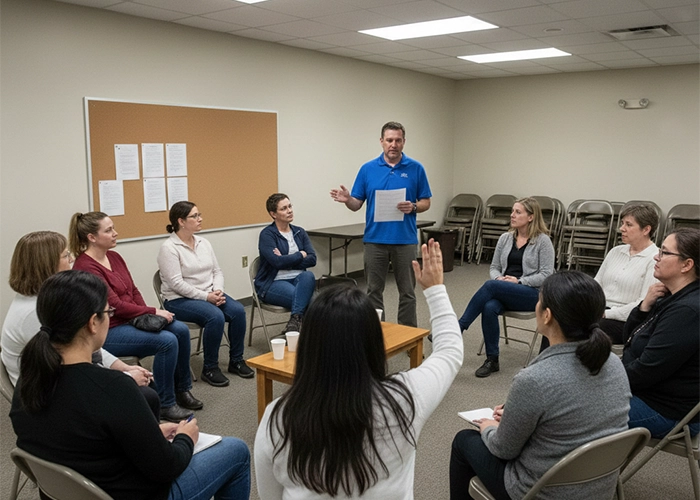
Effective HOA communication is the bedrock of a successful and happy neighborhood where residents feel valued and informed. When homeowners understand the "why" behind board decisions, they are far more likely to support community initiatives and follow established rules.
Browse By Category
Sign up for Our Newsletter
Sign up for Our Newsletter
Trending Now
Effective HOA communication is the bedrock of a successful and happy neighborhood where residents feel valued and informed. When homeowners understand the “why” behind board decisions, they are far more likely to support community initiatives and follow established rules.
Building Trust with Effective HOA Communication
Trust does not happen by accident in a homeowners association. It is built through consistent and honest interactions. Many boards struggle because they only reach out when there is a problem or a fee increase on the horizon. This reactive approach often leaves residents feeling blindsided and disconnected from the leadership team.
By shifting to a proactive model, you can address concerns before they escalate into heated arguments. Providing regular updates on maintenance projects, financial health, and upcoming social events creates a sense of shared purpose. When people feel like they are part of the loop, the relationship between the board and the membership naturally strengthens.
Clear messaging also helps to eliminate the rumors that often circulate in the absence of official information. If a major repair is delayed, it is better to explain the cause and the new timeline immediately. Honesty is always more persuasive than silence, especially when it comes with a clear path forward for the community.
Choosing the Best Channels for Your Audience
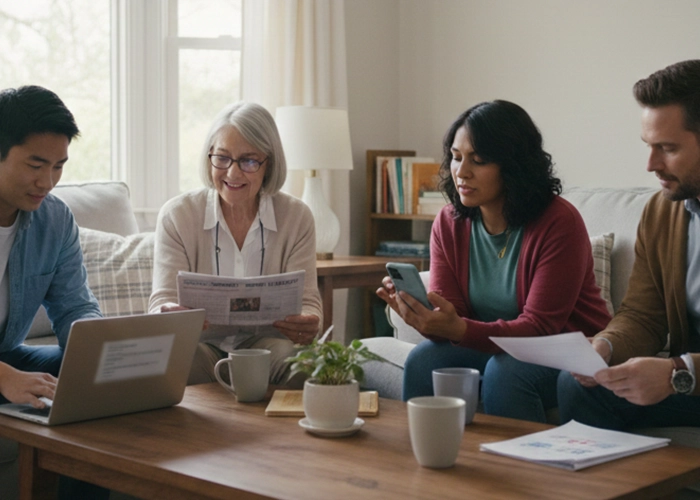
Not every homeowner prefers to receive information in the same way, so a multi-channel approach is usually the best bet. While younger professionals might live in their email inboxes, senior residents often appreciate the tangible feel of a printed newsletter. Using a mix of digital and traditional methods ensures that no one is left behind.
Email is a fantastic tool for quick alerts and weekly updates because it is cost-effective and immediate. However, it can also lead to information overload if used too frequently for minor issues. Reserve email for important announcements and use a community portal or website for storing long-term documents like bylaws and meeting minutes.
Social media can be a double-edged sword for many associations due to the potential for public negativity. If your community chooses to use platforms like Facebook or Nextdoor, it is vital to establish a clear code of conduct. These spaces should ideally be used to foster community spirit rather than to debate complex legal or financial matters.
The Importance of Two-Way Dialogue
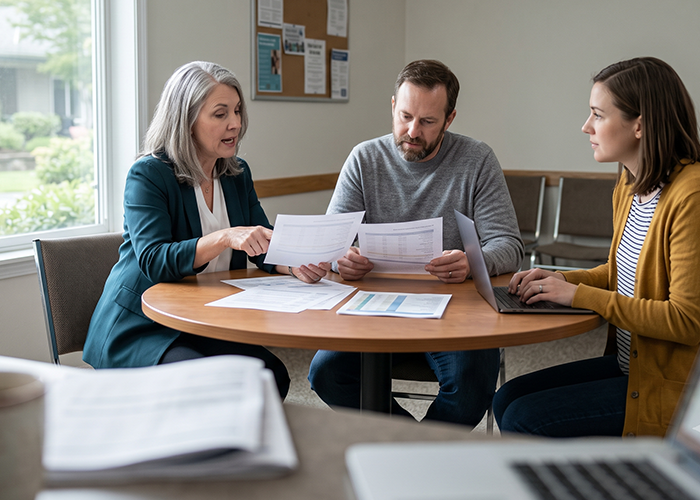
Communication should never be a one-way street where the board simply dictates rules to the rest of the neighborhood. Residents need to feel that they have a legitimate place to voice their opinions and ask questions without fear of dismissal. Providing an open forum during board meetings is one of the most effective ways to facilitate this.
Setting clear ground rules for these forums keeps the conversation productive and prevents the meeting from running off track. You might consider limiting each speaker to three or four minutes to ensure everyone has a fair chance to participate. Listening attentively and taking notes shows that the board respects the effort residents make to attend.
Surveys are another excellent way to gather feedback on specific topics, such as new amenities or changes to landscaping. Asking for input before making a final decision makes homeowners feel like partners in the management process. This collaborative spirit reduces resistance and makes the implementation of new policies much smoother for everyone involved.
Managing Meeting Agendas and Transparency

A well-organized meeting agenda is a powerful communication tool that sets the tone for the entire board session. When owners know exactly what will be discussed, they can show up prepared to contribute meaningfully to the conversation. Transparency in the decision-making process is essential for maintaining the board’s credibility over the long term.
Agendas should be distributed well in advance so that residents have time to review the topics at hand. Avoid using vague headings like “Landscaping” and instead use descriptive titles such as “Reviewing New Mowing Contract Bids.” This level of detail helps prevent confusion and ensures that the community understands the scope of the board’s work.
Following up after the meeting is just as important as the preparation that goes into the event itself. Posting draft minutes or a brief summary of the key decisions helps those who could not attend stay informed. It also provides a permanent record that can be referenced later if questions arise about a specific board action.
Navigating Difficult Conversations with Professionalism
Conflicts are inevitable in any community, but how they are handled makes all the difference in the world. Board members must remain calm and objective, even when a homeowner becomes emotional or confrontational during a discussion. Treating every person with respect helps to de-escalate tension and keeps the focus on finding a solution.
Avoid using jargon or overly legalistic language that can make residents feel like they are being talked down to. Instead, use plain English to explain complex topics like reserve studies or special assessments. When people understand the financial or legal necessity behind a decision, they are much more likely to accept it.
If a conversation starts to become personal, it is often best to suggest a private meeting at a later date. This gives everyone a chance to cool off and ensures that the issue can be addressed in a professional setting. Maintaining a consistent and fair approach to every resident builds a reputation for integrity that benefits the entire association.
Streamlining Operations with Management Software

Many modern communities are turning to HOA management software to help organize their communication efforts and save time. These platforms offer a central hub where residents can pay dues, submit maintenance requests, and access community news. Having all this information in one place reduces the administrative burden on volunteer board members.
Software also provides a reliable paper trail for all interactions, which is invaluable if a dispute ever reaches a legal stage. You can track when an email was sent, who opened it, and how quickly a service request was resolved. This level of accountability encourages better performance from both the board and any external management staff.
An integrated system also allows for better vendor communication, ensuring that contractors have clear instructions and timelines. When the board, the manager, and the vendors are all on the same page, projects are completed more efficiently. This efficiency translates to better curb appeal and higher property values for every homeowner in the neighborhood.
Establishing a Clear Communication Policy
A written communication policy helps set expectations for how and when the board will respond to homeowner inquiries. It prevents the frustration that occurs when a resident expects an immediate reply to a late-night email. By stating that the board will respond within two business days, you create a manageable standard for everyone.
The policy should also outline the appropriate channels for different types of requests, such as emergency repairs versus general questions. This ensures that urgent matters are routed to the right person immediately while routine items are handled during normal business hours. Clear boundaries protect the personal time of volunteers and prevent burnout.
Consistency is the most critical element of any communication strategy for a homeowners association. If the board follows its own rules and remains transparent, the community will naturally feel more secure. Over time, these habits reshape the culture of the neighborhood and create a more harmonious living environment for all.
Engaging the Community through Storytelling
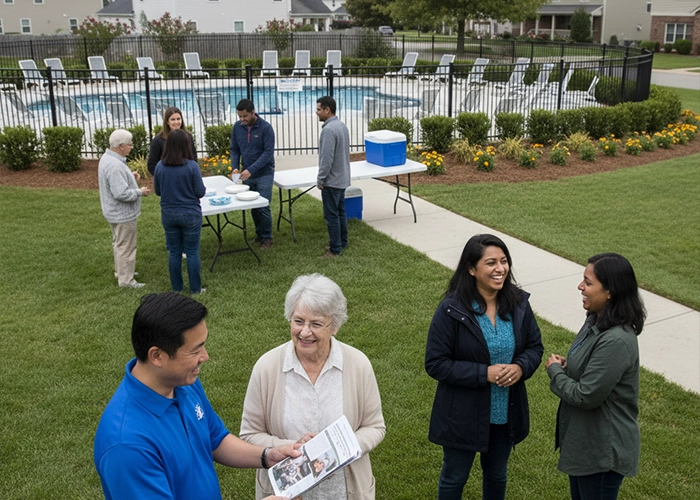
Sharing the “wins” of the association is a great way to build morale and show the value of the monthly assessments. Use your newsletters or website to highlight a successful pool renovation or a well-attended holiday block party. These stories remind residents that their contributions are making a tangible difference in their surroundings.
Featuring a “Resident Spotlight” can also help neighbors get to know one another and build a stronger social fabric. When people know the person living next door, they are more likely to resolve minor issues privately rather than filing a formal complaint. A connected community is a safer and more enjoyable place to call home.
Focusing on the positive aspects of community living balances out the necessary discussions about rules and finances. It shifts the perception of the HOA from a regulatory body to a community-building organization. This positive framing encourages more people to volunteer and take an active interest in the future of their neighborhood.
A Neighborhood Connected is a Neighborhood Thriving
When a board prioritizes clear and respectful dialogue, the entire community reaps the rewards of a more peaceful atmosphere. Investing the time to listen and respond thoughtfully to homeowners will always pay off in the form of increased trust and cooperation.
Related Articles:
Trending Now

Related Article
Sign up for Our Monthly Newsletter
Sign up below for monthly updates on all HOA Resource