
Condo Engineer: Roles, Responsibilities, and Why Every HOA Needs One
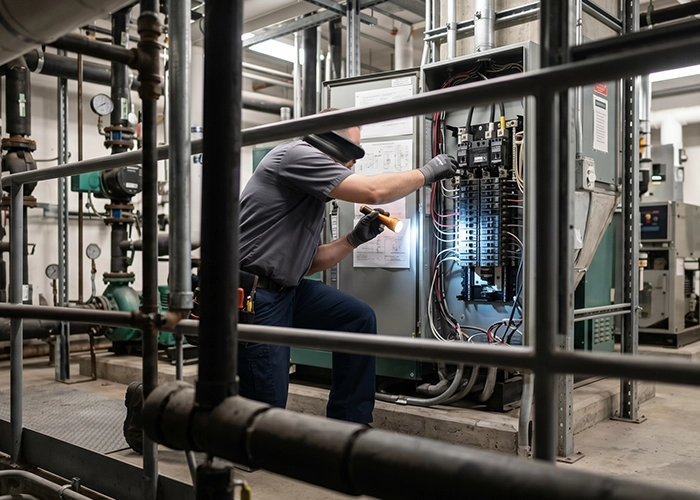
A condo engineer plays a quiet but critical role in keeping a community running smoothly. From daily operations to long-term planning, the condo engineer helps protect both the physical property and the financial health of an association.
Browse By Category
Sign up for Our Newsletter

Sign up for Our Newsletter
Trending Now


A condo engineer plays a quiet but critical role in keeping a community running smoothly. From daily operations to long-term planning, the condo engineer helps protect both the physical property and the financial health of an association.
What a Condo Engineer Does in a Community
A condo engineer is responsible for the technical and operational side of a condominium property. While property managers focus on administration and communication, the engineer focuses on how the building actually functions day to day.
This role often includes oversight of building systems such as HVAC, plumbing, electrical, and structural components. The goal is to ensure everything runs safely and efficiently while preventing costly issues before they develop.
In many communities, the condo engineer also acts as a bridge between the board, management, and outside vendors. They help translate technical concerns into clear, practical recommendations that decision-makers can act on with confidence.
Why a Condo Engineer Matters for HOAs
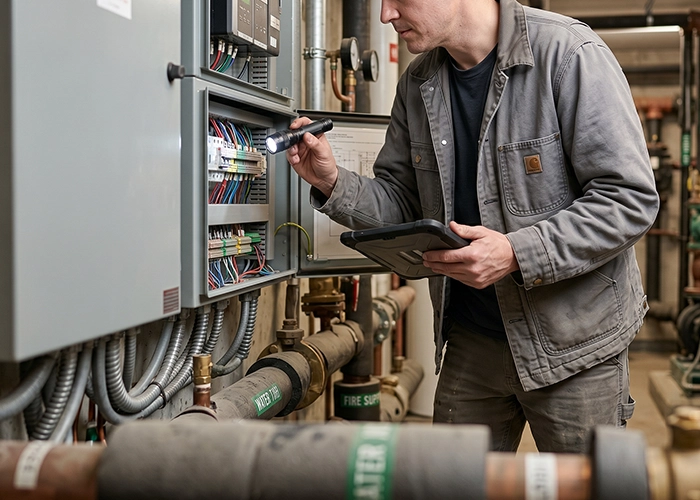
A well-managed community depends on more than just policies and communication. Physical infrastructure plays a major role in resident satisfaction and long-term property value.
A condo engineer brings a level of expertise that helps reduce risk. Small issues are often identified early, which prevents them from becoming expensive repairs later. This proactive approach can save associations significant money over time.
There is also a safety component. Proper maintenance of systems like fire protection, elevators, and electrical infrastructure is not optional. When these systems are monitored and maintained consistently, the community operates with fewer disruptions and lower liability exposure.
Key Responsibilities of a Condo Engineer
The responsibilities of a condo engineer can vary depending on the size and complexity of the property. However, most roles include a core set of duties that support daily operations and long-term planning.
Building Systems Oversight
A condo engineer monitors and maintains essential systems throughout the property. This includes:
- HVAC systems
- Plumbing and water supply
- Electrical systems
- Elevators and mechanical equipment
Routine inspections are often performed to ensure these systems are functioning as expected. When issues are found, repairs are coordinated quickly to avoid further damage.
Preventive Maintenance Planning
Preventive maintenance is one of the most valuable aspects of this role. Instead of reacting to problems, the condo engineer creates schedules to maintain equipment before failures occur.
This might include seasonal HVAC servicing, routine inspections of roofing and drainage systems, and regular testing of backup generators. Over time, this structured approach helps extend the life of major assets.
Vendor Coordination and Oversight
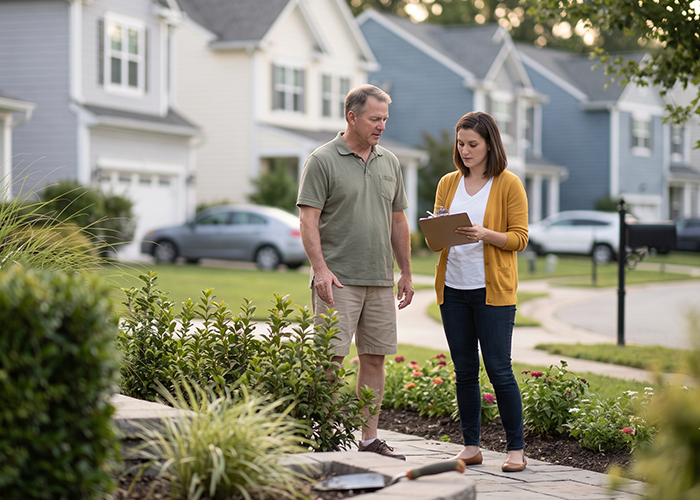
Many repairs and upgrades require outside contractors. The condo engineer often works closely with vendors to ensure projects are completed correctly.
Responsibilities in this area may include:
- Reviewing proposals and scopes of work
- Supervising on-site work
- Verifying that completed work meets standards
This level of oversight helps ensure that the association receives quality service and fair value.
Budget Input and Capital Planning
Financial planning is closely tied to physical maintenance. A condo engineer provides input on budgets by identifying upcoming repair or replacement needs.
This includes contributions to reserve studies and capital improvement plans. By understanding the condition of building systems, the engineer helps boards make informed financial decisions that align with long-term goals.
Condo Engineer vs Property Manager
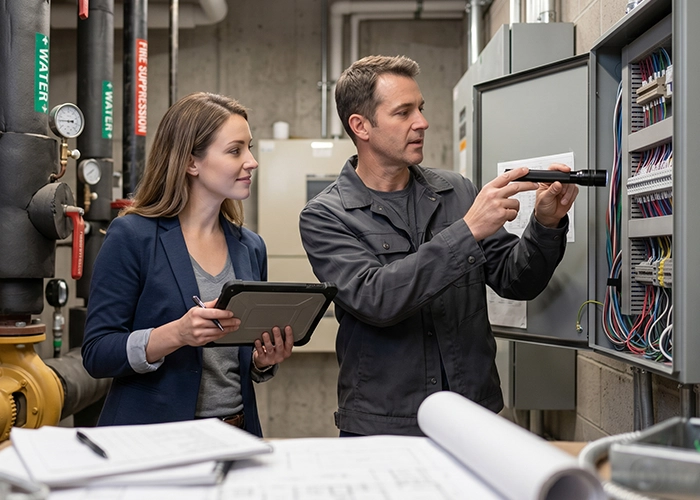
It is common for boards to confuse the roles of a condo engineer and a property manager. While both positions are essential, they serve very different functions.
A property manager focuses on operations such as communication with residents, enforcement of rules, and financial administration. They handle the day-to-day management of the community from a service and governance perspective.
A condo engineer, on the other hand, focuses on the physical property. Their work is more technical and often happens behind the scenes. They ensure that the building itself remains safe, functional, and efficient.
When these two roles work together effectively, the result is a more balanced and well-managed community.
When a Community Needs a Condo Engineer
Not every HOA requires a full-time condo engineer, but many communities benefit from having access to one. The need often depends on the size, age, and complexity of the property.
Communities that are more likely to need a condo engineer include:
- High-rise condominiums with complex systems
- Older buildings requiring frequent maintenance
- Communities with shared mechanical infrastructure
- Properties planning major renovations or upgrades
Even smaller associations can benefit from consulting with an engineer on a part-time or project basis. Having expert input during key decisions can prevent costly mistakes.
Common Challenges Without a Condo Engineer
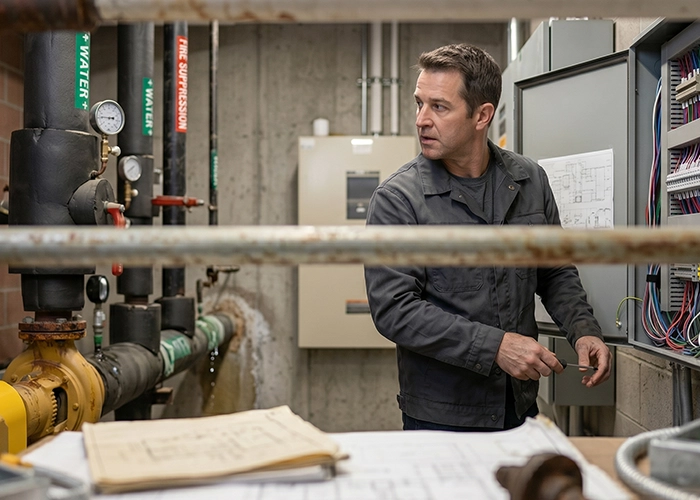
Communities that operate without technical oversight often face avoidable challenges. These issues may not appear immediately, but they tend to build over time.
One common problem is reactive maintenance. Without a structured plan, repairs are handled only after something breaks. This approach often leads to higher costs and more disruption for residents.
Another issue is inconsistent vendor management. Without technical expertise, it can be difficult to evaluate proposals or verify that work has been completed properly. This can result in overspending or incomplete repairs.
There is also a risk of deferred maintenance. When systems are not inspected regularly, small issues can go unnoticed. Over time, these problems can lead to significant damage that impacts both finances and property value.
How Condo Engineers Support Long-Term Planning
Long-term planning is one of the most valuable contributions a condo engineer can make. By understanding the lifecycle of building systems, they help boards plan ahead rather than react under pressure.
This includes identifying when major components will need replacement. Roofs, elevators, and HVAC systems all have expected lifespans. Knowing when these replacements are likely to occur allows the association to budget appropriately.
A condo engineer also helps prioritize projects. Not every issue requires immediate attention, but some should not be delayed. By providing clear recommendations, the engineer helps boards focus on what matters most.
Working With a Condo Engineer Effectively
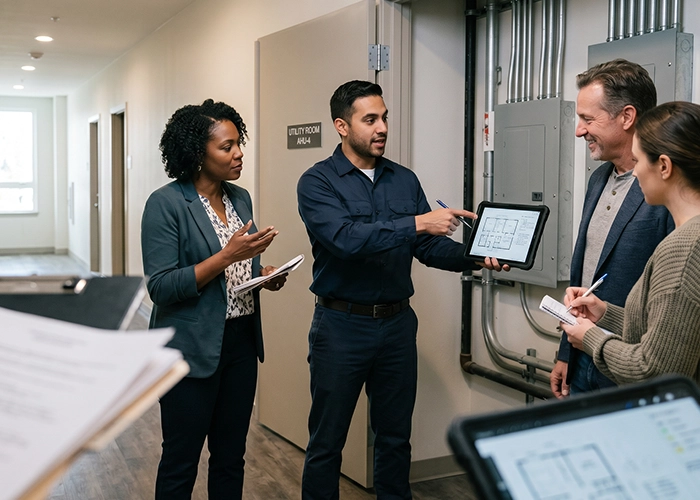
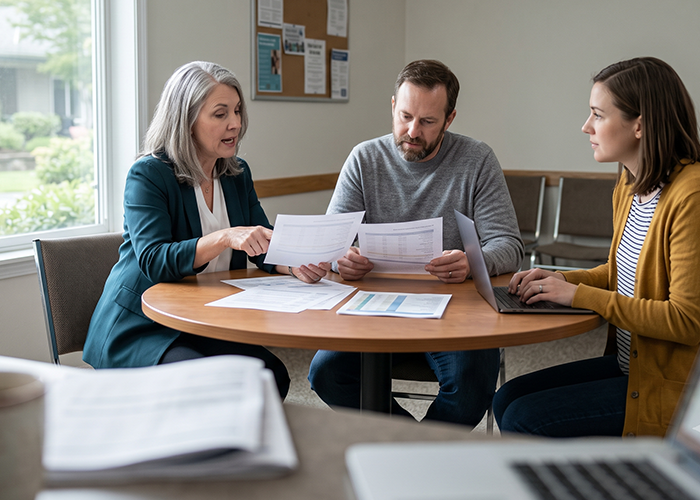
To get the most value from a condo engineer, communication and clarity are essential. Boards and managers should establish clear expectations and maintain regular check-ins.
Some practical ways to improve collaboration include:
- Scheduling routine property inspections
- Requesting written reports with clear recommendations
- Reviewing maintenance plans regularly
- Aligning engineering input with budget discussions
When the engineer is treated as a strategic partner rather than just a technical resource, the entire community benefits.
Hiring Considerations for a Condo Engineer
Choosing the right condo engineer requires more than just technical knowledge. Experience with similar properties and strong communication skills are just as important.
When evaluating candidates or firms, boards should consider:
- Experience with comparable building types
- Familiarity with local codes and regulations
- Ability to explain technical issues clearly
- Track record of preventive maintenance planning
It is also helpful to define the scope of the role early. Whether the position is full-time, part-time, or project-based, clear expectations lead to better outcomes.
Technology and the Modern Condo Engineer
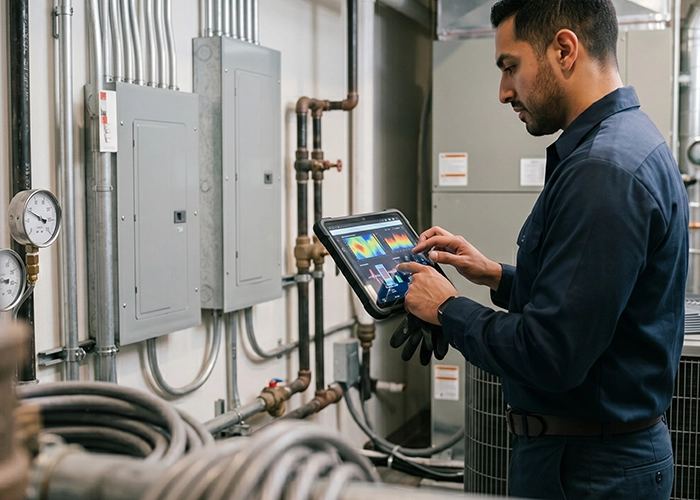
Technology has changed how condo engineers manage properties. Many now use digital tools to track maintenance schedules, monitor systems, and document inspections.
Building automation systems allow engineers to monitor HVAC, lighting, and energy use in real time. This not only improves efficiency but also helps identify issues before they become serious problems.
Digital reporting tools also make it easier to share updates with boards and managers. Clear, organized information supports better decision-making and keeps everyone aligned.
The Financial Impact of a Condo Engineer
While hiring a condo engineer represents an investment, the long-term financial benefits are often significant. Preventive maintenance reduces emergency repairs, which are typically more expensive and disruptive.
Better vendor oversight can also lead to cost savings. When work is properly scoped and monitored, the association is more likely to receive fair pricing and quality results.
Over time, consistent maintenance helps preserve property value. This benefits not only the association as a whole but also individual homeowners.
Building Stronger Communities With the Right Expertise
A condo engineer may not always be visible, but their impact is felt throughout the community.
Partner with experienced professionals who understand both the technical and operational aspects of HOA management. With the support of our online directory, you can confidently take the next step toward a more efficient and well-maintained community.
Related Articles:
Trending Now

Related Article
Sign up for Our Monthly Newsletter
Sign up below for monthly updates on all HOA Resource