HOA Community Surveys: How to Conduct a Meaningful One
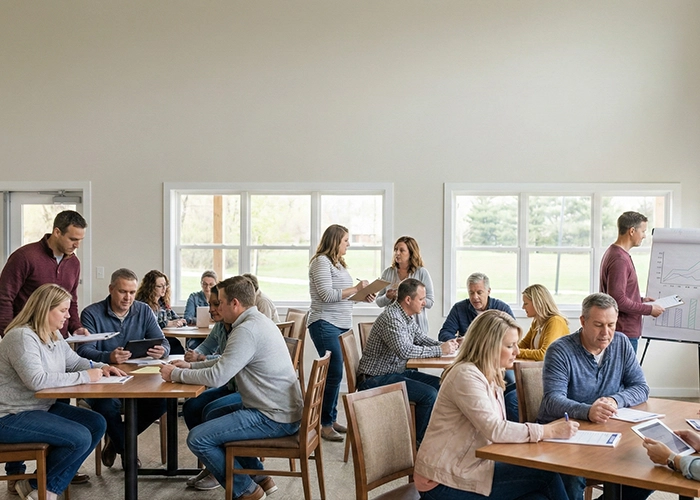
HOA community surveys can turn vague frustration into clear direction, especially when the board needs more than a handful of loud opinions. The right approach builds trust, improves participation, and helps a community feel heard. Strong HOA community surveys also make decision-making easier because priorities show up in black and white.
Browse By Category
Sign up for Our Newsletter


Sign up for Our Newsletter
Trending Now


HOA community surveys can turn vague frustration into clear direction, especially when the board needs more than a handful of loud opinions. The right approach builds trust, improves participation, and helps a community feel heard. Strong HOA community surveys also make decision-making easier because priorities show up in black and white.
Why HOA Community Surveys Matter
A board meeting can feel like the whole community is speaking, yet the same few voices often show up each month. HOA community surveys widen the lens and capture perspectives from owners who never attend meetings, new residents still learning the rules, and long-time homeowners with strong opinions about what has changed.
Better decisions tend to follow better information. Budget planning, vendor performance, rule enforcement, communication preferences, and amenity upgrades all improve when feedback is collected systematically.
Trust matters here. When residents see that input leads to clear actions, participation rises the next time around, and conversations get calmer.
Purpose First

A survey without a clear goal usually produces a pile of comments that no one knows how to use. One main purpose keeps the questions focused and the results easier to interpret. A simple test helps: if the board cannot name the decision this survey will support, the survey is not ready yet.
Most communities do well with one of these goals at a time: prioritizing projects, measuring service satisfaction, or identifying pain points in daily living. A “catch-all” survey often feels long and random, which reduces completion rates.
Clarity also protects goodwill. Residents feel frustrated when a survey asks about topics the board cannot realistically address, like changing city ordinances or undoing past legal commitments.
Audience Fit
The best feedback comes from the people actually living with the day-to-day outcomes. Owners, renters, seasonal residents, and landlords often experience the community differently. A single survey can still work, yet a few branching questions can help separate perspectives without making the experience feel complicated.
Language and accessibility deserve attention. A short note about translations, large-print versions, and an easy way to request a paper copy signals respect. Higher response rates usually follow.
Timing influences who answers. A survey sent only during school breaks, major holidays, or peak travel season can skew results toward a narrow slice of the community.
Trust and Privacy

Honest feedback depends on safety. A resident who worries about retaliation will choose neutral answers or skip the survey entirely. Anonymous responses can raise candor, yet confidentiality can still work if the process is explained clearly and consistently.
A simple promise helps: who will see raw responses, how results will be stored, and how long data will be kept. Clear boundaries reduce suspicion, especially in communities with past conflict.
Fair housing considerations also belong in the planning stage. Questions about protected characteristics or anything that can be interpreted as targeting a group can create real problems. Safer framing focuses on experiences and preferences tied to community operations, not personal identity.
Questions That Work
Good questions feel easy to answer and useful to analyze. The right mix creates a clean story, not a confusing collage. That mix often includes rating scales, a few multiple-choice questions, and a limited number of open-ended prompts for nuance.
Bias shows up quickly in wording. A question that suggests the “right” answer will produce unreliable results and annoy residents who notice the slant. Neutral language earns better data and fewer arguments later.
Length is where many surveys fail. Attention drops fast, especially on mobile. A strong target is 5 to 10 minutes, with the most important questions up front.
A few topic areas tend to deliver practical insights without feeling intrusive:
- Communication quality and preferred channels
- Maintenance response time and vendor performance
- Rule clarity and consistency of enforcement
- Safety perceptions and lighting concerns
- Amenity satisfaction and upgrade priorities
One question set should be treated carefully: HOA survey questions that ask residents to choose between high-cost options without context. Cost ranges or trade-offs can be included, yet plain-language framing helps residents answer realistically.
Keep the Survey Easy to Finish

Completion rates rise when the first screen feels welcoming and simple. A short opening message sets the tone and reduces confusion. A quick estimate of completion time also helps, especially for busy households.
Mobile formatting matters more than many boards expect. Short lines, large buttons, and minimal scrolling increase completions. Long grids of tiny checkboxes create drop-offs.
A gentle tone works better than a formal memo voice. Residents tend to respond more thoughtfully when the survey feels like a conversation instead of a test.
Format Choices That Fit Real Life
Online platforms make collection and analysis easier, yet paper still matters in many communities. A hybrid approach often works best: an online link for most residents, plus paper copies available by request or delivered to a small group known to prefer them.
Distribution channels should match the community’s habits. Email works for some, yet text alerts, portals, lobby signage, and mailed notices can reach residents who ignore inbox clutter. A single channel rarely reaches everyone.
One-time access codes can reduce duplicate responses, though they can also frustrate residents if the system is clunky. Simplicity usually beats strict control, unless the community has a history of vote-stuffing concerns.
Rollout That Feels Respectful

A survey launch should never feel like a surprise demand. A brief heads-up a week before launch builds anticipation and reduces skepticism. A clear explanation of why input is needed also increases participation.
Message consistency helps. Residents should see the same purpose statement in every channel, with the same closing date. Conflicting details lead to confusion and fewer responses.
Incentives can work, yet they should be modest and fair. A raffle for a small gift card or a community perk can help without making the process feel transactional. Transparency around incentives protects credibility.
Reminders Without Annoying People
A single invitation rarely reaches everyone. A reminder schedule can be effective while still feeling polite. Two reminders often work well: one midway through the window and one near the end.
Different wording keeps reminders from blending into noise. A short message focusing on the purpose can work better than repeating the same generic request. Respectful language also matters because residents have long memories when they feel nagged.
Staff and board members can help by mentioning the survey in normal community touchpoints. A brief note at the end of a newsletter or a quick mention at a meeting often reaches residents who missed the email.
Turning Responses Into Decisions

The real value of HOA community surveys shows up after the survey closes. A clear process for reviewing results prevents the feedback from sitting in a folder until it becomes stale. A small review team can help, yet the board should still stay engaged in the interpretation.
Patterns deserve more attention than isolated comments. A few angry responses can feel loud, yet a trend across dozens of households tells a more reliable story. Cross-checking themes by resident type can also reveal useful differences, like renters reporting different issues than owners.
Sharing results matters almost as much as collecting them. A short summary sent to the community builds trust and shows that the board listened. A simple “what we heard” section followed by “what happens next” makes the process feel complete.
An HOA survey should end with action steps that match the data and the budget. Small wins can be scheduled quickly, while larger projects can be placed into a realistic timeline with clear checkpoints.
Keeping the Momentum
Follow-through does not have to be dramatic to be effective. Even a small change, clearly explained, can improve confidence and reduce complaints. Residents who feel acknowledged often become easier to work with, even when the board cannot grant every request.
A yearly rhythm works well for many communities. Major surveys can happen annually, with short pulse surveys used during large projects or policy changes. HOA community surveys become more valuable over time because results can be compared and progress can be measured.
Consistency protects credibility. A community that sees the board use feedback responsibly tends to respond with more thoughtful input the next time around.
Heard and Seen
HOA community surveys work best when they feel simple, fair, and worth the time. Clear goals, careful wording, and honest follow-through turn feedback into progress. A community that feels heard usually becomes easier to manage.
Related Articles:
Trending Now

Related Article



Sign up for Our Monthly Newsletter
Sign up below for monthly updates on all HOA Resource