
HOA Election Committee: What Are Their Responsibilities
Elections feel simple until a community is in the middle of one. A clear process helps neighbors stay focused on the results instead of the drama. That is where an HOA election committee earns its keep.
Browse By Category
Sign up for Our Newsletter

Sign up for Our Newsletter
Trending Now


Elections feel simple until a community is in the middle of one. A clear process helps neighbors stay focused on the results instead of the drama. That is where an HOA election committee earns its keep.
The HOA Election Committee at a Glance
An HOA election committee is a small, trusted group that runs the election process with consistency and care. The goal is fairness, not control, so the work stays focused on rules, timing, and transparency. A well-run election also protects the association from needless disputes.
Most committees handle the same core tasks: planning the calendar, confirming who can run, preparing ballots, managing voting, and documenting the outcome. The specifics come from governing documents, state law, and any adopted election rules. When those sources clash, legal counsel usually helps sort out the right path.
Why This Group Matters
Confidence is the real prize in an HOA election. Neighbours may not love the outcome, yet they can accept it when the process feels even-handed. A committee gives the community a visible referee so that the board is not seen as picking winners.
Time gets saved, too. An HOA election committee can keep the board out of the weeds, while still giving the board the information it needs. That separation helps limit conflicts of interest, especially when current directors are also candidates.
How Committees get Formed
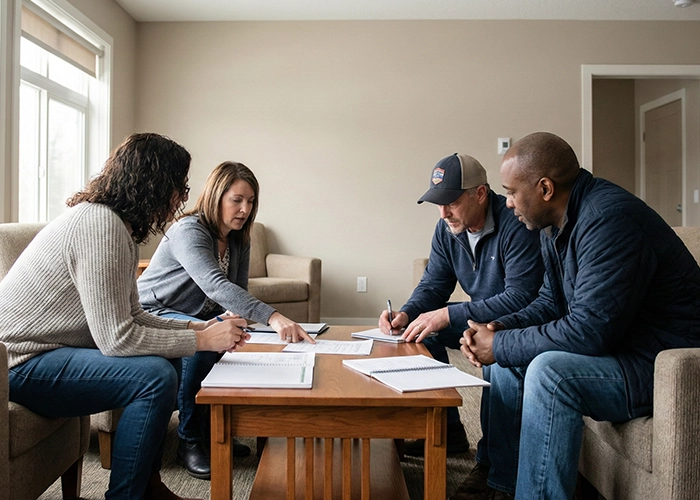
Some associations create a standing committee that returns every election season. Others form a temporary group a few months before voting. Either way, the authority usually comes from the bylaws, the election rules, or a board resolution.
Membership matters as much as authority. A mix of owners tends to work best, including people with calm temperaments and good follow-through. Close friends of candidates can be a poor fit, even if they mean well.
Who Should Serve and Who Should Not
Neutrality is easier when committee members are not running for a seat. That guideline avoids awkward choices, such as whether a candidate can touch ballots or hear private eligibility details. In smaller communities, a candidate-free committee may be hard to assemble, so extra safeguards become important.
A common standard is good standing. Owners who are seriously delinquent or in an active enforcement fight may not be the best choice. Even so, the documents should guide the decision, not personal opinions.
Setting Ground Rules Early
A smooth election begins with written steps. For an HOA election committee, that written playbook keeps personalities out of the process and puts the focus back on the rules. The committee can gather the relevant rules, then map them into a simple timeline.
Clear definitions reduce confusion. Terms such as quorum, proxy, secret ballot, and eligible voter should match the documents. When the documents are silent, consistent rules should be adopted before any candidate is announced.
Building the Election Calendar

Calendars keep small problems from turning into big ones. A basic schedule often includes these milestones:
- Notice of election and call for candidates
- Deadline for nominations
- Date ballots are mailed or released
- Voting deadline or meeting date
- Date and method for counting votes
- Announcement of results
Spacing between milestones matters. Printing, mailing delays, and holiday travel can ruin a tight schedule. Extra breathing room also gives the committee time to answer questions without rushing.
Candidate Eligibility Checks
Few topics cause more friction than candidate eligibility. The committee’s role is to apply the written requirements consistently. That typically includes checking ownership status, confirming the right number of nominees, and verifying any residency or member-in-good-standing rules.
Privacy deserves attention. Eligibility decisions can involve account status or violations, which should not become community gossip. A simple approach helps: share only what is needed, only with those who need it.
If a candidate is ineligible, the message should be clear and respectful. A short explanation tied to the governing documents helps keep the discussion factual. Appeals, if allowed, should follow a set path with a firm deadline.
Nominations Done the Right Way
Nominations can happen through forms, email, nomination meetings, or a mix. The committee should make the process easy to understand. Simple instructions and one submission method reduce mistakes.
Fairness begins with access. The same nomination window should apply to everyone. If floor nominations are allowed at the meeting, that option should be stated early, not sprung on people at the last second.
Candidate statements can help owners vote with confidence. Word limits and uniform formatting keep statements comparable. A light edit for spelling may be fine, yet changing meaning is not.
A quick confirmation email helps after a nomination is received. That note can restate the deadline for changes and remind candidates where to send questions. Less confusion shows up later when ballots are printed.
Ballots and Voting Methods
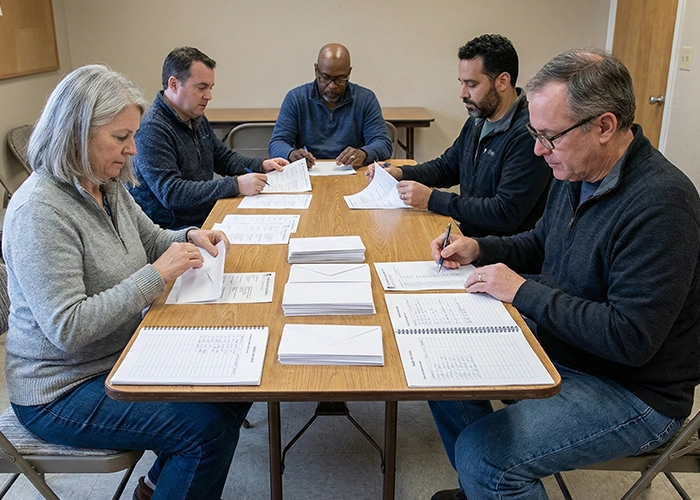
Ballots should be easy to read and hard to tamper with. The committee typically confirms the office names, the number of open seats, and any voting limits. Clear directions matter, such as how many candidates a voter may select.
Many communities use secret ballots with separate envelopes. That structure helps protect privacy while still confirming voter eligibility. Electronic voting may be allowed in some places, yet the committee should confirm that the documents permit it and that security steps are in place.
Proxy voting may also be part of the picture, especially when quorum is hard to reach. Proxy rules tend to be strict, so the committee should verify the form, the signature, and the scope. A vague proxy can create challenges later.
Keeping Owners in the Loop
Owners cannot follow rules they never see. Election notices should cover dates, methods, eligibility basics, and how to request accommodations. A reminder or two can help turnout, especially in larger associations.
Questions will arrive, often from people who have not read the notice. A shared email address or a short FAQ document can reduce repeated back-and-forth. Consistency is key, so answers do not shift depending on who responds.
Campaign Conduct and Community Fairness
Committees do not usually police opinions, yet they can set boundaries on process. Rules about association resources are a common focus. For example, a community newsletter may offer equal space to all candidates or may avoid candidate content entirely.
Common sense helps with signage and common-area campaigning. If posting is allowed, uniform rules should apply to location, size, and removal time. When boundaries are set early, personal conflict tends to cool down.
Avoiding the Appearance of Bias
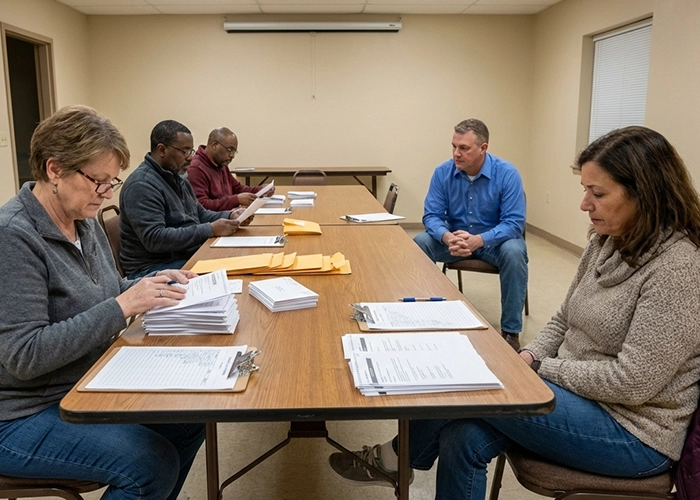
Perception can be as damaging as reality. Committee members should avoid campaigning while serving, even if no rule forbids it. A neutral tone in emails, meeting scripts, and posted notices also matters.
Observation rules can strengthen trust. Some communities allow candidates or their representatives to observe ballot counting. Ground rules should be established so observation does not become interference.
Election Day or Voting Deadline Management
The voting period should feel orderly. For meeting-based voting, the committee often manages check-in, verifies voter status, and tracks quorum. For ballot-by-mail voting, the committee tracks received ballots and stores them securely.
Secure storage reduces risk. A locked container and limited access protect both the votes and the committee members from accusations. A simple log of when ballots were received can also help if a dispute arises.
Counting Votes With Care
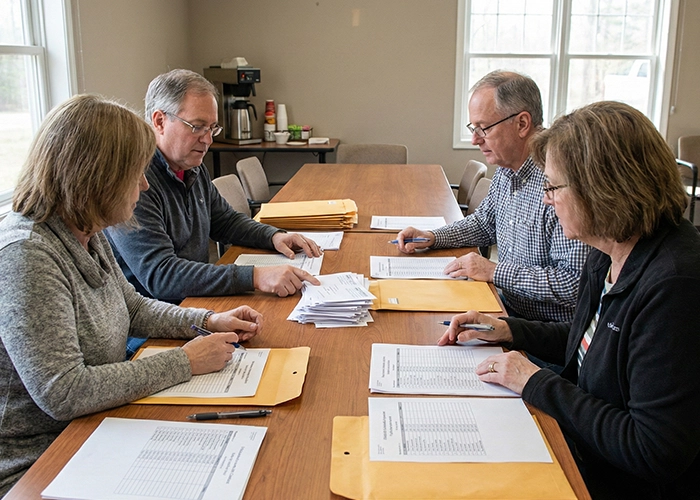
Vote counting is a high-stakes moment, so structure matters. An HOA election committee should treat this phase like a chain of custody, with simple safeguards that are easy to explain to any owner who asks. More than one person should be present, with clear roles for opening envelopes, validating voter eligibility, and tallying votes.
Tally sheets should be clear and saved. If a recount occurs, the committee needs a clean trail of what happened and when. When the rules allow, ballots can be compared against the voter list without revealing how anyone voted.
Handling Ties and Special Situations
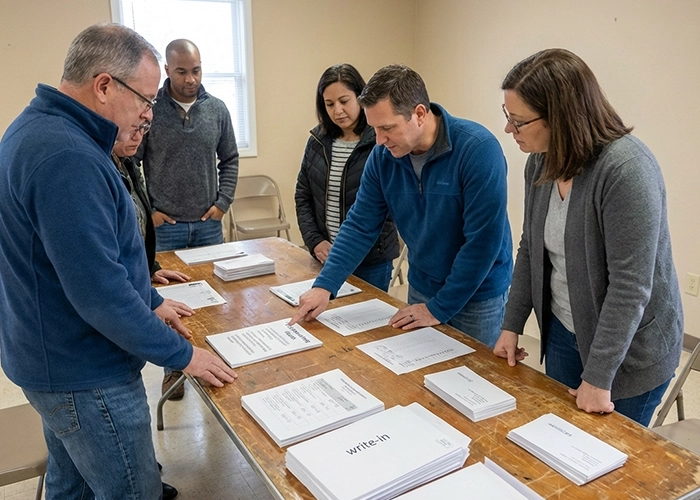
Ties happen more often than people expect. The governing documents may define a tie-breaker, such as a runoff election. If no rule exists, the association may need legal advice before deciding on a method.
Write-in votes can also create questions. Some communities do not allow them. Others allow them only if the write-in candidate meets eligibility standards. The committee should know the rule before ballots go out.
Announcing Results the Right Way
Results should be shared promptly and in a consistent format. The announcement usually includes the winners, vote totals if permitted, and the effective date of the new term. A clear next step for seating new directors helps keep momentum.
A respectful tone matters here. Winners should be congratulated without gloating, and non-winners should be thanked for running. That simple courtesy can lower the temperature in the room.
When Results Get Challenged
Sometimes a voter believes the rules were not followed. A committee can reduce risk by documenting every step. Even then, a challenge may arrive, so a defined process helps.
Deadlines should apply to protests. A short window for filing keeps the community from relitigating the election for months. When a recount is requested and allowed, the same safeguards used in the initial count should apply again.
Recordkeeping and Document Retention
Election records are not just paperwork. Ballots, envelopes, sign-in sheets, proxies, notices, and tally sheets can be crucial if the results are questioned. A committee often assembles a complete election file after the count.
Retention periods vary by state and by document type. The safest approach is to follow the strictest requirement that applies. Storage should also protect privacy, so access stays limited.
Confidentiality and Privacy
Voter privacy is a core promise in many election systems. Even in associations that announce vote totals, the identity of individual voters should stay protected. Committee members should avoid casual comments that hint at how someone voted.
Candidate information also deserves care. Eligibility decisions should not become public debates. A brief statement that an applicant did not meet eligibility requirements may be enough, with the details kept in the file.
Working With the Board Without Losing Independence
The committee may need board support for printing, mailing, and budget approval. Yet the committee also benefits from a degree of independence, especially when incumbents are candidates. Clear boundaries help everyone.
Regular updates can be shared without sharing private details. A short status report may cover upcoming dates, supply needs, and any procedural issues. That style of communication keeps the board informed while protecting the process.
Roles That Often Get Confused
A committee runs the election process, while the board governs the community overall. Management may assist with logistics, yet the committee should keep final control over election steps. Clarity prevents finger-pointing when stress rises.
Some communities also assign formal duties to HOA election officers, such as a chair who signs certifications or a secretary who maintains official records. Those roles should be defined in writing so the committee and the officers do not duplicate work.
Common Missteps That Cause Big Headaches
Mistakes usually come from speed or assumptions. A few problems show up again and again:
- Deadlines that do not match the notice requirements
- Ballots that allow too many votes or lack clear instructions
- Eligibility decisions made informally, without a record
- Proxy forms that do not match the governing documents
- Vote counts done in private, without basic safeguards
A slower, more consistent process prevents most of these issues. More importantly, it protects neighbour relationships that can take years to repair.
Simple Tools That Make the Job Easier
Paper still works, yet a few tools can reduce chaos. A shared election calendar helps owners and volunteers stay aligned. A standard email template reduces mixed messages.
Checklists can help without turning the process into a rigid script. The best lists are short and practical, with room for notes. A locked storage box and a sign-in sheet may do more for credibility than any fancy software.
Helping Volunteers Stay Motivated
Election work can feel thankless. Recognition helps, even if it is small. A quick thank-you at the annual meeting and a note in the newsletter can make volunteers more likely to serve again.
Training helps as well. A brief orientation, a walk-through of the timeline, and a clear point of contact can keep stress down. When people feel prepared, mistakes drop.
After the Ballots
An HOA election committee protects the process, the association, and the tone of the community. With clear rules and calm follow-through, election season can feel routine instead of tense. The result is a board chosen through a process that owners can trust.
Related Articles:
Trending Now

Related Article


Sign up for Our Monthly Newsletter
Sign up below for monthly updates on all HOA Resource