How to Resolve Common HOA Meeting Problems
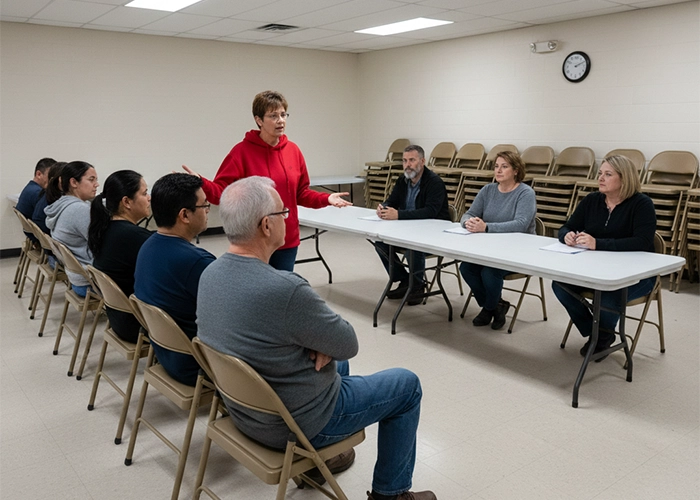
Running an association requires patience and clear communication among all participants. Many board members discover that typical HOA meeting problems usually come from poor structure or inadequate preparation. These issues can delay important community projects & create frustration among homeowners.
Browse By Category
Sign up for Our Newsletter
Sign up for Our Newsletter
Trending Now

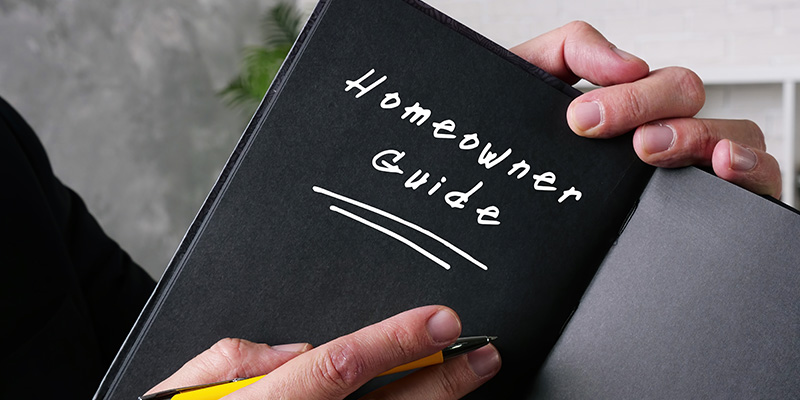
Running an association requires patience and clear communication among all participants. Many board members discover that typical HOA meeting problems usually come from poor structure or inadequate preparation. These issues can delay important community projects & create frustration among homeowners.
Common HOA Meeting Problems and Their Impact
Every community association needs regular meetings to make important decisions for the neighborhood. These meetings serve as the primary place to discuss maintenance issues and talk about rule changes & budgets. When meetings become chaotic or fail to accomplish anything the entire community experiences setbacks and delays. Productive meetings keep the association running smoothly. They allow board members to address concerns and make timely choices that affect everyone. Without structure and focus these gatherings waste valuable time and prevent progress on essential matters that residents care about.
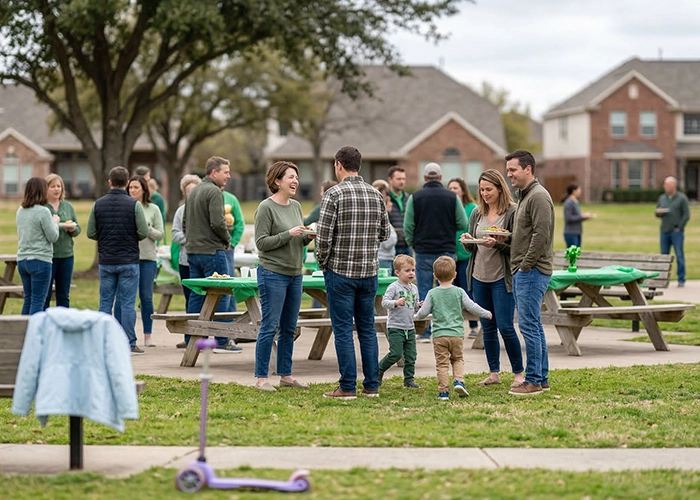
The general membership often fails to show up. When owners do not attend meetings the board struggles to gather enough people for official votes. This means the board ends up making decisions on its own without input from the residents it serves. This situation slows down progress for everyone involved.
Among the problems that come up during these sessions disruptive behavior stands out as a major issue. When one or two vocal people start complaining about personal matters they can quickly derail the planned agenda. A simple business meeting can turn into a heated argument that accomplishes nothing if someone does not take control of the situation.
Establishing a Clear Agenda for Success
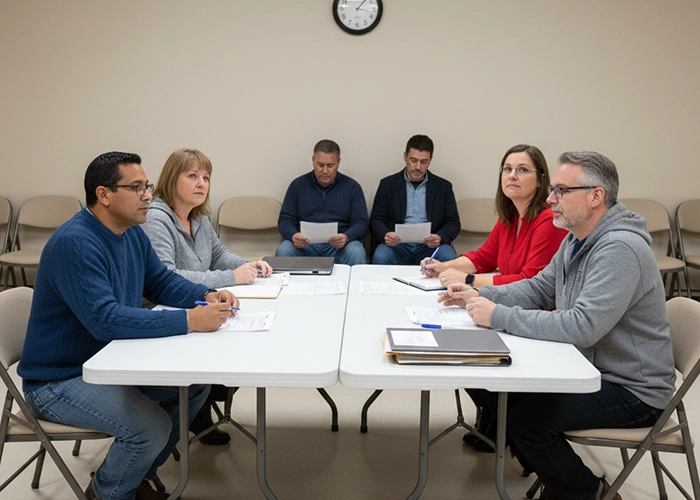
Every successful board meeting needs a well-planned agenda. The agenda keeps discussions focused and prevents the group from wandering into unrelated topics. Board members should send this document to all homeowners well before the scheduled meeting date. A clear agenda helps everyone prepare for the meeting. Homeowners can review the topics in advance and think about questions or concerns they want to raise. This preparation makes meetings more productive and efficient.
Sharing the agenda with residents ahead of time helps them prepare what they want to say. This transparency creates better conversations during the meeting and builds trust between everyone involved. The advance notice also makes it easier for the chairperson to keep the meeting on track & manage time for each topic.
To ensure all topics receive attention assign a specific time limit to each agenda item. The chairperson can transfer extended discussions to a dedicated committee or schedule them for a future meeting. This approach shows respect for the time of everyone who decided to participate.
Managing the Public Forum Section Effectively
The majority of common problems at HOA meetings typically happen during the open forum section. Giving owners a chance to speak is important but this part of the meeting needs clear rules to stay productive. Many associations limit each speaker to three minutes so the meeting stays on schedule. This time limit helps prevent any single person from dominating the discussion. It also ensures that multiple owners get an opportunity to share their concerns.
Board members should focus on listening rather than getting into arguments during this time. Taking notes shows residents that their concerns are being heard and will be looked at later. This approach prevents the meeting from becoming a series of personal conflicts.
The board can choose to respond in writing when a homeowner brings up a complex issue. This approach saves time for everyone else at the meeting by moving detailed discussions to another setting. It also gives the board a chance to research the topic thoroughly before providing an official answer.
Dealing with Conflict and Difficult Personalities
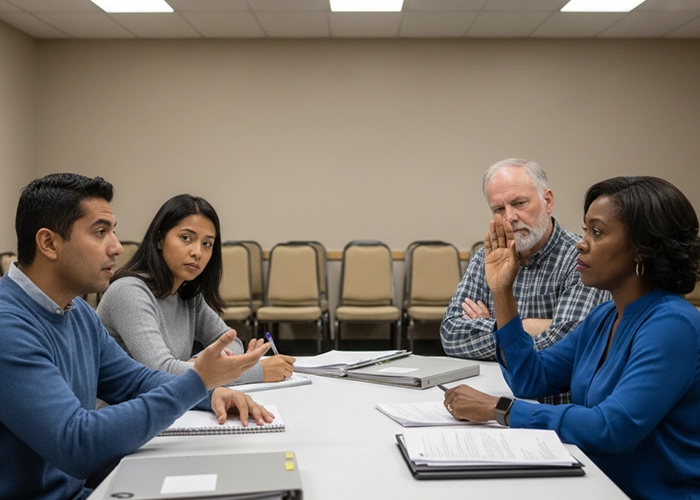
Board members in volunteer organizations will naturally have different opinions from time to time. Problems arise when these differences become personal attacks or create hostile situations. When tensions run high the most effective approach is to maintain a professional manner in all interactions. Disagreements themselves are not the issue. Every board benefits from having multiple perspectives & healthy debate about important decisions. The real challenge comes when board members let their emotions take control and stop treating each other with basic respect.
The presiding officer needs to stay calm & fair when tensions start rising. Bringing everyone’s focus back to the current task works well by pointing out the code of conduct. If someone creates too much disruption the board might need to end the meeting early.
Enforcing meeting rules for all participants requires consistency. It lessens the sense of partiality or bias when everyone is held to the same standards. This makes it safer for homeowners who are more reserved to express their own opinions.
Improving Attendance and Resident Engagement
Low turnout creates difficulties for associations throughout the nation. People with packed schedules struggle to attend meetings held on weekday evenings at neighborhood community centers. Making it simpler for members to participate can boost attendance numbers substantially. Many associations face the challenge of getting enough people to show up for their gatherings. When meetings happen during the middle of the week after work hours members often cannot make it because of other commitments. Organizations that find practical solutions to reduce these barriers typically see more people attending their events. The key to better attendance lies in understanding what prevents members from coming.
Consider setting up a hybrid meeting format that lets people participate through video connection. This approach typically increases attendance among younger property owners & parents with small children. They can vote on important matters even if they are unable to attend the entire session.
Sending reminders through different channels works well as a strategy. You can use email and text messages along with physical signs at the community entrance to inform residents. When you mention specific topics that affect property values you give people a clear reason to attend.
The Role of Professional Management in Meetings
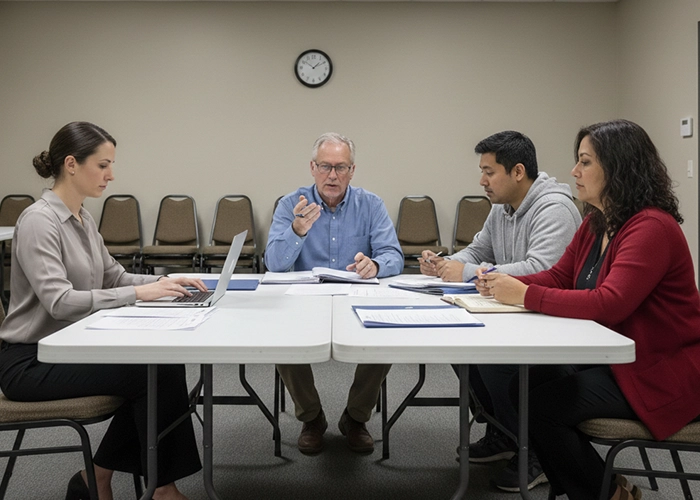
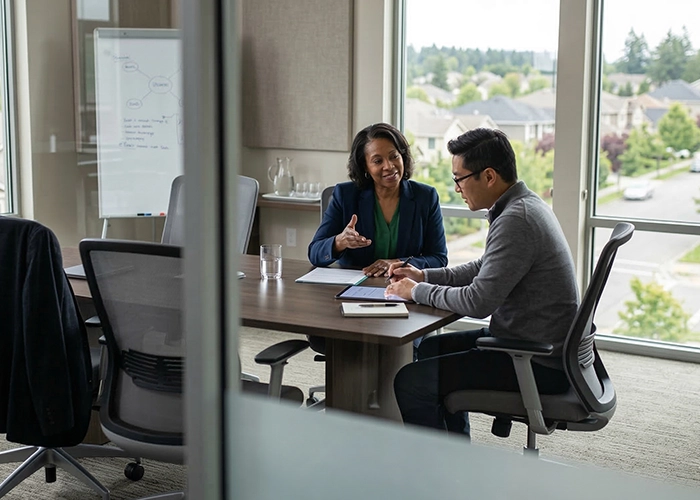
A professional management company offers helpful assistance throughout the whole meeting process. Managers have specialized knowledge that helps the board handle complicated legal rules and regulations. They can serve as an impartial mediator when tough conversations with owners arise.
The manager typically takes care of administrative work such as writing down meeting notes & keeping track of tasks that need to be done. This lets board members concentrate fully on talking through issues and making decisions. When a professional is in the room it creates a more formal atmosphere that helps prevent inappropriate conduct.
Managers help board members understand how to word proposals correctly and follow proper meeting procedures. Using Robert’s Rules of Order makes sure that all votes happen in a fair and legal way. This kind of protection keeps the homeowners association stable over time.
Keeping Minutes Accurate and Concise
Meeting minutes function as the legal documentation of board decisions. They need to record the actions and approved motions instead of capturing every spoken comment. Complete transcripts are usually not required and may cause confusion in the future.
An accurate set of minutes protects the board from claims that a decision was made improperly. It provides a clear history of how funds were allocated and which vendors were selected. Homeowners should have easy access to these records once the board approves them.
A standardized template speeds up the minute-taking process & keeps everything uniform. Recording the date and time & attendees in the same format each time creates better organization. Future board members can then review past decisions without confusion or difficulty. Templates eliminate guesswork about what information needs to be included. They provide a clear structure that guides the note-taker through each meeting. This consistency helps everyone know exactly where to find specific information when they need it later.
Setting the Stage for Future Growth
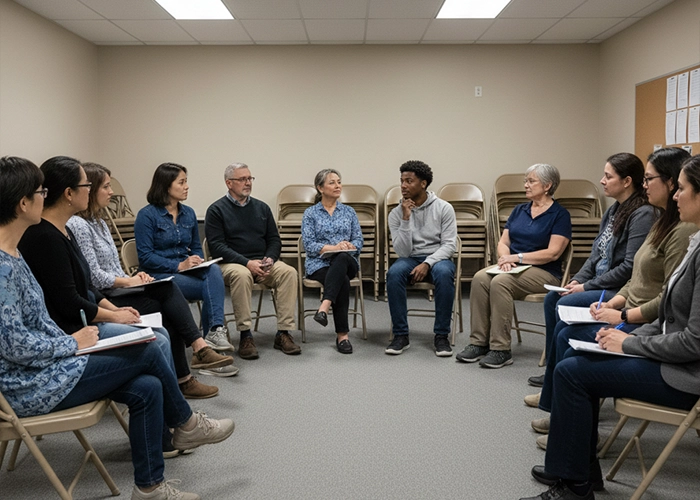
Every meeting offers a chance to make the community culture better. When sessions run smoothly residents believe their time and money matter. This good feeling motivates more people to join committees and take board positions.
Fixing typical HOA meeting issues requires patience & openness to doing things differently. Simple changes like adjusting the agenda format or rearranging where people sit can significantly improve how members communicate with each other. These gradual improvements eventually create a more peaceful & better-run community.
A commitment to continuous improvement helps the association stay on track. Board members should sometimes ask residents what they think about how meetings are run. Paying attention to this feedback demonstrates real dedication to serving every homeowner’s interests.
Make Your Next Meeting the Best One Yet
Improving your community starts with a commitment to better communication and structure. By addressing these common challenges head-on, your board can focus on the projects that truly matter.
Related Article:
Trending Now

Related Article
Sign up for Our Monthly Newsletter
Sign up below for monthly updates on all HOA Resource