
Mastering HOA Snow Removal Policies
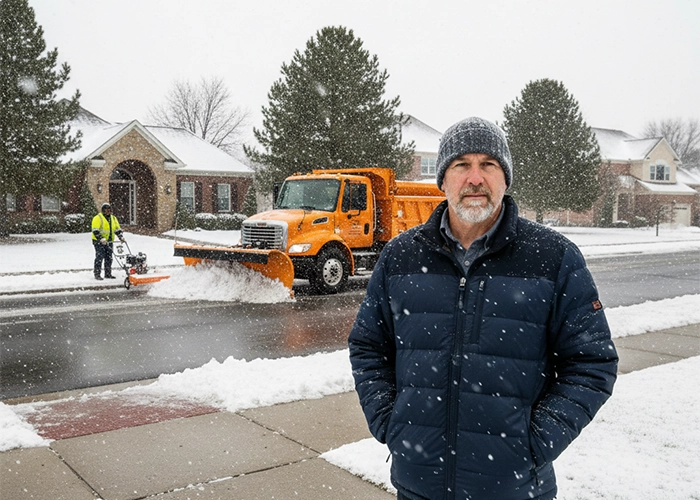
Winter weather brings a unique set of challenges for community leaders across the country. Developing clear HOA snow removal policies ensures that your neighborhood remains safe and accessible when the first storm hits.
Browse By Category
Sign up for Our Newsletter

Sign up for Our Newsletter
Trending Now


Winter weather brings a unique set of challenges for community leaders across the country. Developing clear HOA snow removal policies ensures that your neighborhood remains safe and accessible when the first storm hits.
Creating Clear HOA Snow Removal Policies
Every successful winter begins with a solid foundation in your governing documents. Your HOA snow removal policies should clearly outline which areas fall under the association’s care and which stay with the homeowner. Typically, the association handles common roads, clubhouse parking lots, and shared walkways.
Many boards find that confusion arises when boundaries are not explicitly defined before the snow falls. You should review your CC&Rs to see if any specific mandates exist regarding clearing times or ice treatment. If your current rules are vague, now is the perfect time to draft a more detailed resolution.
Communication is just as important as the policy itself. Once your board approves the plan, share it with the entire community through the newsletter or portal. This proactive approach helps manage resident expectations and reduces the number of frantic phone calls during a blizzard.
Understanding the Scope of Responsibility
Responsibility often depends on the type of community you manage. In many single-family home associations, the city or county handles public streets while homeowners clear their own driveways. The association usually steps in for common amenities and private roads that the local government does not service.
Condominium associations often take a more hands-on approach. In these settings, the board might oversee snow removal for all walkways, parking spots, and even individual doorsteps. Knowing exactly where the association’s liability ends is vital for your insurance coverage.
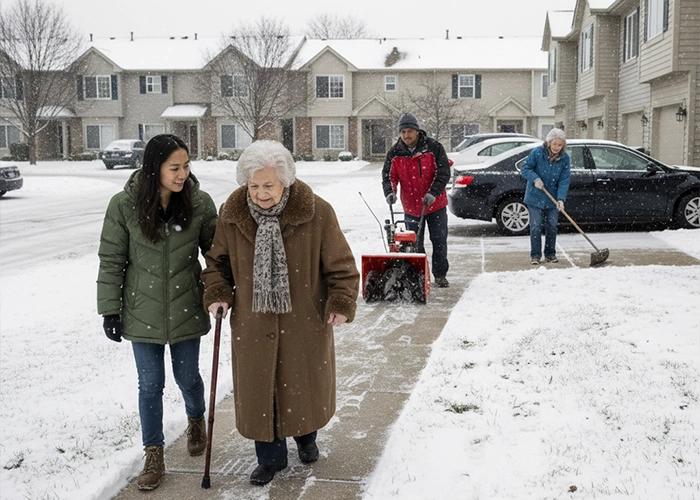
You should also consider the needs of your more vulnerable residents. Some communities encourage a “snow angel” program where able-bodied neighbors help the elderly or disabled. Setting these expectations early fosters a sense of unity and ensures everyone stays safe regardless of their physical ability.
Choosing the Right Snow Removal Vendor
Finding a reliable partner is the most critical part of your winter strategy. You should start your search in the late summer or early fall before the best companies are fully booked. Requesting multiple bids allows you to compare service levels and pricing structures fairly.
A good vendor does more than just plow the streets. They should offer pre-treatment options like brining or salting to prevent ice from bonding to the pavement. Ask potential contractors about their equipment, the size of their crew, and their typical response time during a major event.
Don’t forget to check their references and insurance certificates. You want to make sure they carry adequate liability coverage and workers’ compensation. Having an insured professional on the job protects the association from costly claims related to property damage or personal injury.
Essential Elements of a Service Contract

Your contract acts as your roadmap for the entire season. It should specify the “trigger point” for service, such as a one-inch or two-inch accumulation. This prevents ambiguity about when the plows should arrive and helps you manage your budget more effectively.
Be sure to include details about where the snow should be piled. Pushing snow onto private property or blocking fire hydrants can lead to serious safety issues. A well-written contract will designate specific “snow storage” areas that do not interfere with traffic or drainage.
Documentation is another vital component of your agreement. Require your vendor to keep logs of when they arrived, what chemicals they applied, and when they finished. These records are your best defense if a slip-and-fall claim ever arises later in the season.
Budgeting for Winter Expenses
Snow removal costs can be unpredictable, making them a challenge for any treasurer. Many associations use a “per-push” or “per-event” pricing model, which can be expensive during a heavy winter. Others prefer a fixed-rate seasonal contract that provides a more predictable monthly expense.
Reviewing your community’s historical data helps you set a realistic budget. Look at the average snowfall over the last five years to determine how much you should set aside. It is always wise to keep a healthy reserve fund for those years when Mother Nature is particularly active.
If you end up under budget during a mild winter, that surplus can be rolled over or used for other maintenance needs. Conversely, having a contingency plan for a severe season prevents the need for unpopular special assessments. Planning ahead keeps the association’s finances stable and the residents happy.
Navigating Legal and Liability Concerns

Safety is the driving force behind every snow policy. Slips and falls are among the most common legal claims faced by homeowners associations during the winter months. By following a consistent plan, the board demonstrates that it is taking reasonable steps to protect the community.
Local ordinances also play a role in how you manage your property. Many cities have specific timelines for clearing sidewalks after a storm has ended. Your association must comply with these laws to avoid fines and ensure the safety of pedestrians.
Consulting with your legal counsel can provide peace of mind when drafting new rules. They can help you understand how state laws affect your liability and ensure your policies are enforceable. A quick review of your insurance policy will also confirm that you have the right coverage for winter-related incidents.
Effective Communication with Homeowners
Keeping residents informed is the best way to prevent frustration. Send out a “winter readiness” guide that explains where they should park during plowing operations. Moving cars off the streets allows the vendors to do a more thorough job and prevents accidental damage.
You might also provide tips on the best ice-melt products to use on private porches. Some chemicals can damage concrete or harm pets, so sharing safe alternatives is a great service to your neighbors. Education helps everyone take better care of their individual homes.
During a storm, use your community website or social media pages to provide real-time updates. Letting people know when the plowing has started or if the clubhouse is closed keeps everyone on the same page. Transparency builds trust between the board and the homeowners.
Managing Equipment and Supplies
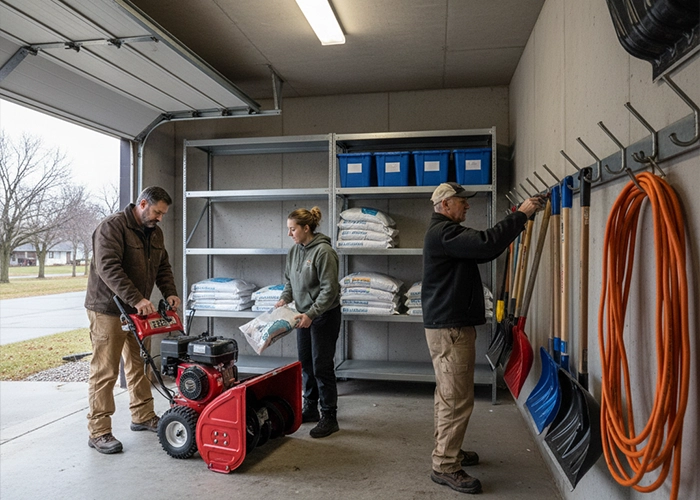
If your association handles any snow removal in-house, your equipment must be ready to go. Fall is the perfect time to service snow blowers and restock your supply of salt or sand. Running out of supplies in the middle of a blizzard is a situation every manager wants to avoid.
Store your materials in a dry, accessible location. Bags of ice-melt can clump if they get damp, making them difficult to spread evenly. Keeping your tools organized ensures that your staff or volunteers can respond quickly when the weather turns.
Even if you hire a professional vendor, keeping a few shovels and some salt on hand is a good idea. Small patches of ice can form between professional visits, and being able to spot-treat these areas enhances safety. A little bit of extra effort goes a long way in preventing accidents.
Monitoring Vendor Performance
The board should actively monitor the work being done throughout the season. After the first few snow events, check in with the vendor to see if any adjustments are needed. Maybe a certain cul-de-sac is being missed, or the salt is being applied too heavily in some areas.
Constructive feedback helps your contractor meet the high standards of your community. If issues persist, refer back to the service levels outlined in your contract. Having a written agreement makes it much easier to hold the vendor accountable for their work.
Encourage residents to report any hazards they see, such as black ice or blocked drains. A community that stays alert is a community that stays safe. This collaborative approach ensures that small problems are fixed before they become major liabilities.
Dealing with Extreme Weather Events
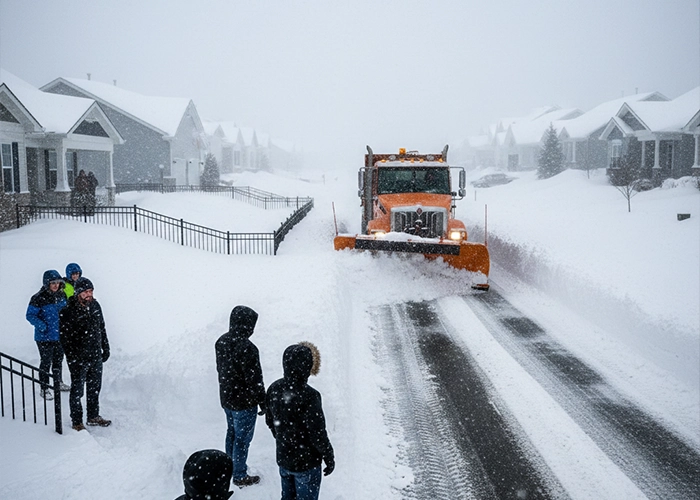
Major blizzards require a different level of preparation than a light dusting. Your HOA snow removal policies should include a plan for emergency scenarios where the usual rules might not apply. In extreme cases, the safety of the workers and residents must come first.
Prioritize emergency access routes above all else. Making sure that ambulances or fire trucks can reach every home is the most important task during a massive storm. Once the main paths are clear, the vendor can move on to the secondary roads and parking lots.
Ask your residents to stay indoors and off the roads until the primary clearing is complete. This keeps the streets clear for heavy machinery and reduces the risk of accidents. Patience is key when dealing with the unpredictable nature of winter weather.
Evaluating the Season for Future Success
Once the spring thaw arrives, take a moment to review how the season went. Meet with your board and your vendor to discuss what worked well and what could be improved. This annual review is the secret to a continuously improving winter maintenance program.
Look at your final expenses and compare them to your initial budget. If you spent significantly more than planned, you may need to adjust your dues or your service levels for next year. Learning from each season makes the association more resilient and better prepared for the future.
You should also solicit feedback from the homeowners. A simple survey can reveal if they were satisfied with the timing and quality of the snow removal. Happy residents are the mark of a well-managed community, and their input is invaluable for your long-term planning.
Keeping Your Community Moving Forward
Winter doesn’t have to be a season of stress for your association. With a clear set of HOA snow removal policies and a reliable vendor, your neighborhood can thrive even in the coldest months. Staying proactive is the best way to protect your residents and your property values.
Remember that the goal is always safety and accessibility. By following the steps in this guide, you are building a stronger and more prepared community. We hope your winter season is safe, successful, and relatively snow-free.
Related Articles:
Trending Now

Related Article



Sign up for Our Monthly Newsletter
Sign up below for monthly updates on all HOA Resource