
Insurance for HOAs in CA: What California Associations Need to Know

Insurance for HOAs in CA plays a critical role in protecting community assets and maintaining financial stability. In a state like California, where risks range from wildfires to liability claims, having the right coverage is not optional.
Browse By Category
Sign up for Our Newsletter


Sign up for Our Newsletter
Trending Now


Insurance for HOAs in CA plays a critical role in protecting community assets and maintaining financial stability. In a state like California, where risks range from wildfires to liability claims, having the right coverage is not optional.
Insurance for HOAs in CA: Understanding the Basics
Insurance for HOAs in CA refers to the policies a homeowners association carries to protect shared property, common areas, and liability exposures. These policies are typically maintained by the HOA board and funded through member dues.
In California, associations are generally required to carry certain types of insurance under governing documents and state law. However, the exact coverage and limits can vary depending on the community’s size, location, and amenities.
Most policies are designed to cover common areas, not individual units. Homeowners are usually responsible for insuring their own property and personal belongings.
Why HOA Insurance Matters in California
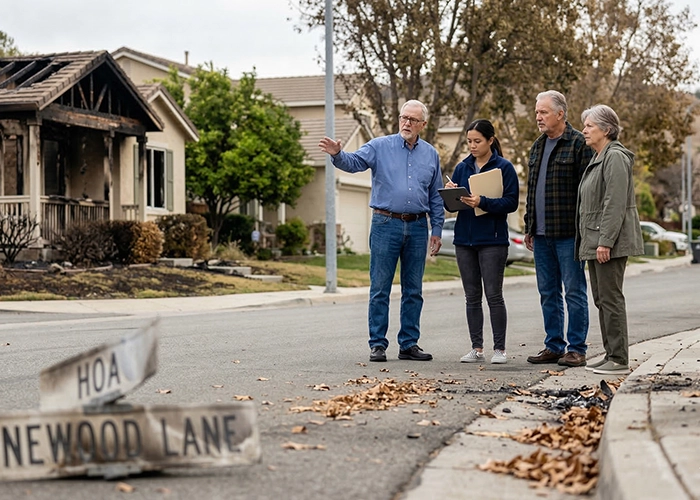
California presents a unique risk environment for community associations. Natural disasters, particularly wildfires and earthquakes, have made insurance more complex and, in some cases, more expensive.
Without proper coverage, associations may face significant financial strain after a major event. Repairs to shared structures, legal claims, and even temporary housing costs can add up quickly.
There is also the legal aspect to consider. Many governing documents require specific coverage levels, and failing to maintain them could expose the board to liability. In some cases, board members themselves may be held accountable if proper insurance is not maintained.
Types of HOA Insurance Coverage

Understanding the different types of coverage available helps boards choose policies that fit their community’s needs. While not every HOA will require every type of insurance, several are commonly considered essential.
Property Insurance
Property insurance covers damage to common areas such as clubhouses, roofs, hallways, and shared structures. This policy typically protects against risks like fire, vandalism, and certain weather events.
The level of coverage depends on whether the HOA follows a bare walls, single entity, or all-in approach. These terms define how much of each unit the HOA is responsible for insuring.
General Liability Insurance
General liability insurance protects the association against claims involving bodily injury or property damage. For example, if a guest slips in a common area, this policy would typically cover legal costs and potential settlements.
Even smaller associations benefit from this coverage, as liability risks exist in nearly every shared space.
Directors and Officers Insurance
Directors and officers insurance, often called D&O insurance, protects board members from personal liability. It covers claims related to decisions made in their role as board members.
This type of coverage is especially important in California, where legal disputes involving HOAs are not uncommon. It allows board members to act without constant fear of personal financial risk.
Workers’ Compensation Insurance
If an HOA has employees, workers’ compensation insurance is required in California. This policy covers medical expenses and lost wages for employees who are injured on the job.
Even associations that rely on contractors may need to review their obligations carefully. Misclassification issues can create unexpected liability.
Umbrella Insurance
Umbrella insurance provides additional liability coverage beyond the limits of existing policies. It acts as a financial safety net in case of large claims.
For communities with higher exposure, such as those with pools or recreational facilities, umbrella policies are often recommended.
California HOA Insurance Requirements

California law does not provide a single checklist for HOA insurance, but several statutes and regulations influence what associations must carry.
Most requirements are outlined in the association’s governing documents, including the CC&Rs. These documents typically specify minimum coverage levels and policy types.
Boards are also expected to act in good faith and in the best interest of the community. This includes maintaining adequate insurance coverage. Failure to do so could result in legal consequences or financial loss.
Additionally, associations are required to disclose insurance information to homeowners annually. This helps residents understand what is covered and where their own responsibilities begin.
The Role of AUM Insurance in California HOA Coverage

Finding the right insurance partner can make a significant difference for HOA boards. Many associations work with independent agencies that understand the complexities of California’s insurance market.
Aum Insurance Services is one example of a provider that offers tailored insurance solutions for communities and businesses across the state. Based in San Leandro, the agency focuses on helping clients navigate complex risks with customized coverage options.
As an independent agency, they represent multiple insurance carriers rather than a single provider. This allows them to compare options and design policies that align with the specific needs of an HOA.
For community associations, this approach can be especially valuable. HOA insurance is rarely one size fits all, and having access to multiple carriers can help boards find coverage that balances cost and protection.
AUM Insurance also emphasizes hands-on guidance throughout the process. Their advisors work with clients to evaluate existing policies, identify gaps, and build customized plans that reduce exposure to liability and loss.
For HOA boards that feel overwhelmed by rising premiums or limited options, working with a knowledgeable agency can help simplify decisions and improve outcomes.
Common Coverage Gaps to Watch For

Even well-managed HOAs can overlook important details in their insurance policies. These gaps can lead to unexpected costs when a claim arises.
- Insufficient Coverage Limits
Policies that were adequate years ago may no longer reflect current property values or repair costs. - Exclusions for Natural Disasters
Standard policies often exclude earthquakes and may limit wildfire coverage. Separate policies or endorsements may be needed. - Outdated Policy Reviews
Failing to review policies annually can result in coverage that no longer aligns with the community’s needs. - Misunderstanding Maintenance Responsibilities
Confusion over what the HOA covers versus what homeowners must insure can lead to disputes.
Taking time to review policies regularly helps prevent these issues from becoming costly problems.
How to Choose the Right Insurance Policy
Selecting the right insurance for an HOA in California requires careful evaluation. Boards should not rely on assumptions or outdated information.
A good starting point is working with an insurance professional who understands HOA-specific risks. They can help assess the community’s exposure and recommend appropriate coverage levels.
Boards should also:
- Review governing documents to ensure compliance
- Compare multiple insurance providers
- Evaluate deductibles and premium costs
- Consider long-term risk factors such as climate trends
The goal is to balance affordability with adequate protection. Cutting costs on insurance may seem appealing, but it can lead to higher expenses in the long run.
Tips for Managing HOA Insurance Costs
Insurance costs in California have been rising, particularly in high-risk areas. While some factors are outside an HOA’s control, there are ways to manage expenses effectively.
Improving property maintenance can reduce risk and make the association more attractive to insurers. Regular inspections and timely repairs are often viewed favorably.
Risk management strategies, such as installing safety features or updating building materials, can also help. In some cases, insurers may offer discounts for proactive measures.
It is also helpful to review policies annually and adjust coverage as needed. This ensures the HOA is not overpaying for unnecessary coverage or underinsured in critical areas.
Protecting Your Community Starts With the Right Coverage
Insurance for HOAs in CA is more than a requirement. It is a key part of protecting the community’s financial health and long-term stability. With the right approach, boards can navigate California’s complex insurance landscape with confidence.
Need help understanding your HOA’s insurance needs? Work with experienced professionals like AUM Insurance who can guide your board through coverage options and compliance requirements. Reach out today to ensure your community is fully protected.
Related Articles
Trending Now

Related Article



Sign up for Our Monthly Newsletter
Sign up below for monthly updates on all HOA Resource