HOA CPA: What Associations Need to Know About Hiring and Working With a CPA

An HOA CPA plays a critical role in helping community associations manage finances with accuracy and confidence. From tax filings to financial reporting, the right CPA ensures that your HOA stays compliant while making smarter financial decisions.
Browse By Category
Sign up for Our Newsletter
Sign up for Our Newsletter
Trending Now


An HOA CPA plays a critical role in helping community associations manage finances with accuracy and confidence. From tax filings to financial reporting, the right CPA ensures that your HOA stays compliant while making smarter financial decisions.
Understanding what an HOA CPA does can help boards and managers avoid costly mistakes and maintain trust within the community.
What an HOA CPA Does for Community Associations
An HOA CPA is a certified public accountant who specializes in the financial needs of homeowners associations. While general accountants can handle basic bookkeeping, HOAs often require a deeper level of expertise.
Community associations operate under unique financial rules. Income sources, reserve funds, and tax classifications are different from standard businesses. A CPA who understands these details can help ensure that everything is handled correctly.
Beyond basic accounting, an HOA CPA provides guidance. They review financial statements, assist with budgeting, and help boards interpret financial data. This allows board members to make informed decisions without needing a financial background.
Why HOAs Need Specialized Accounting Support
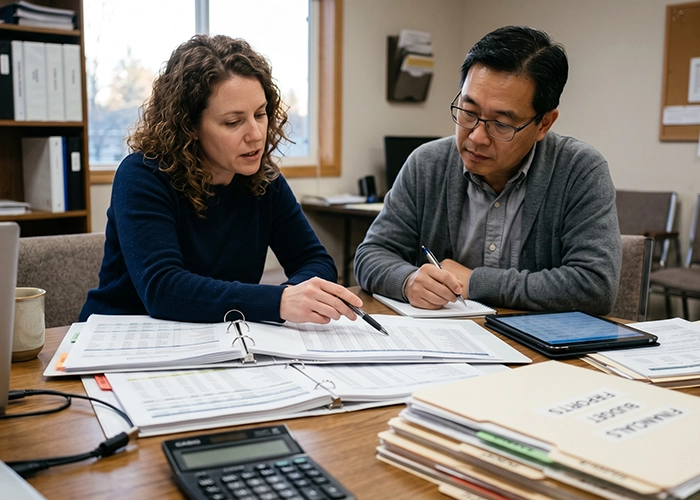
At first glance, managing HOA finances might seem straightforward. Dues come in, expenses go out, and records are maintained. In reality, things can get complicated quickly.
Associations must track operating funds and reserve funds separately. They also need to follow specific accounting methods and reporting standards. Without proper oversight, small errors can grow into larger financial issues.
A specialized HOA CPA understands these challenges. They help ensure that financial records are accurate and that reporting aligns with industry standards. This reduces the risk of compliance issues and improves transparency for homeowners.
There is also a level of accountability that comes with professional oversight. When residents know that a CPA is involved, it can build confidence in how funds are being managed.
Key Services Provided by an HOA CPA
An HOA CPA typically offers a range of services designed to support the financial health of the association. While services may vary, most fall into a few core categories.
1. Financial Statement Preparation
Accurate financial statements are the foundation of good financial management. A CPA prepares reports such as balance sheets, income statements, and cash flow statements.
These reports help boards understand where money is coming from and how it is being spent. They also provide a clear picture of the association’s financial position at any given time.
2. Budget Planning and Analysis
Budgeting is more than estimating expenses. It involves forecasting future costs, planning for reserve contributions, and ensuring that dues are set appropriately.
An HOA CPA helps boards create realistic budgets. They also review past performance to identify trends and adjust future projections.
3. Tax Preparation and Filing
HOAs are required to file federal tax returns each year. Choosing the correct form and reporting income accurately is essential.
A CPA can determine whether the association should file under one tax structure or another. They also ensure that filings are completed on time and in compliance with IRS requirements.
4. Audits, Reviews, and Compilations
Depending on the size and governing documents of the association, an audit or review may be required.
- An audit provides the highest level of assurance and involves a detailed examination of financial records
- A review offers moderate assurance through analytical procedures
- A compilation presents financial data without providing assurance
An HOA CPA can perform these services or guide the association through the process.
5. Reserve Study Coordination
Reserve funds are used for major repairs and replacements. Managing these funds properly is essential for long-term stability.
While CPAs do not always conduct reserve studies themselves, they often work alongside specialists. They help interpret results and ensure that funding plans align with financial goals.
Understanding HOA Tax Responsibilities
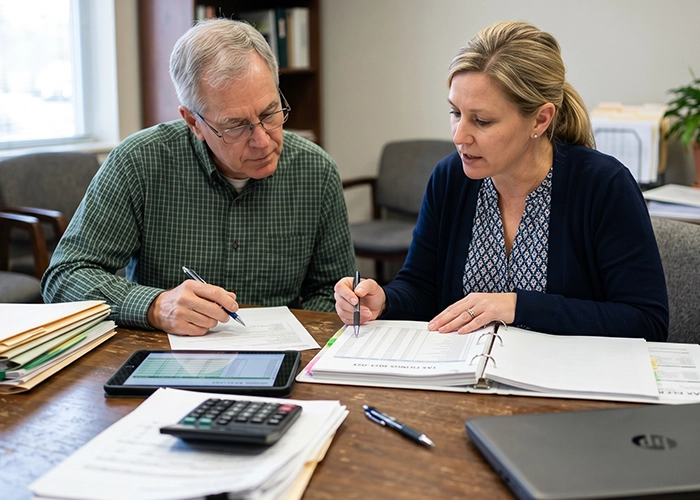
Taxes are one of the most misunderstood aspects of HOA management. Many boards assume that being a nonprofit organization means they are exempt from federal taxes.
That is not always the case. Most HOAs must file annual tax returns and may owe taxes on certain types of income.
An HOA CPA helps clarify these requirements. They determine how income should be classified and ensure that the association takes advantage of available tax benefits.
Filing the wrong form or misreporting income can lead to penalties. Having a CPA involved reduces this risk and provides peace of mind for the board.
Common Financial Challenges HOAs Face
Even well-managed associations encounter financial challenges. These issues often arise from a lack of expertise or inconsistent processes.
One common challenge is inaccurate recordkeeping. When financial data is not updated regularly, it becomes difficult to track expenses and identify discrepancies.
Another issue is underfunded reserves. Without proper planning, associations may struggle to cover major repairs. This can lead to special assessments, which are often unpopular with homeowners.
Delinquent dues also create problems. When a portion of residents fails to pay on time, it affects the association’s cash flow. A CPA can help develop strategies to manage these situations more effectively.
There is also the challenge of compliance. Regulations and reporting requirements can change, and staying current requires ongoing attention. A knowledgeable CPA helps ensure that the association remains compliant.
How to Choose the Right HOA CPA

Selecting the right CPA is an important decision. Not all accountants have experience with community associations, so it is important to look for specific qualifications.
Start by evaluating their experience with HOAs. Ask about the types of communities they have worked with and the services they provide.
It is also helpful to understand their approach to communication. A good CPA should be able to explain financial concepts in a way that is easy to understand.
Consider the following when making your decision:
- Experience with HOA accounting and regulations
- Availability for ongoing support and consultation
- Clear and transparent pricing structure
- Ability to provide references from similar communities
Taking the time to choose the right professional can make a significant difference in how smoothly your association operates.
The Role of an HOA CPA in Financial Transparency
Transparency is a key factor in building trust within a community. Homeowners want to know how their dues are being used and whether funds are being managed responsibly.
An HOA CPA supports transparency by ensuring that financial reports are accurate and easy to understand. They help boards present information in a clear and organized way.
Regular reporting also allows homeowners to stay informed. When residents have access to reliable financial data, it reduces misunderstandings and potential conflicts.
In many cases, transparency leads to stronger community relationships. It shows that the board is committed to responsible financial management.
Working With an HOA CPA Throughout the Year

Hiring a CPA is not just a once-a-year task. Ongoing collaboration can provide greater value and help prevent issues before they arise.
During the year, a CPA may assist with financial reviews, budget adjustments, and planning for upcoming expenses. They can also provide guidance on financial decisions as they come up.
Regular communication is important. Boards should feel comfortable reaching out with questions or concerns. A proactive approach often leads to better outcomes.
At year-end, the CPA plays a key role in preparing financial statements and completing tax filings. This ensures that everything is accurate and submitted on time.
When Should an HOA Hire a CPA
Some smaller associations try to manage finances without professional help. While this may work in the short term, it often becomes more difficult as the community grows.
Hiring an HOA CPA is especially important in the following situations:
- When the association is experiencing rapid growth
- When financial records are disorganized or incomplete
- When audits or reviews are required
- When tax filings become complex
Bringing in a CPA at the right time can help stabilize financial operations and set the foundation for long-term success.
Cost Considerations and Value

Cost is always a factor when hiring professional services. However, it is important to consider the value that a CPA provides.
Mistakes in financial reporting or tax filings can lead to penalties and additional expenses. In many cases, the cost of hiring a CPA is less than the cost of correcting errors.
There is also the benefit of time savings. Board members are often volunteers with limited availability. Having a CPA handle financial tasks allows them to focus on other responsibilities.
When evaluating cost, it is helpful to look at the bigger picture. A qualified CPA can contribute to the overall financial health of the association.
How HOA Management Companies Work With CPAs
Many HOA management companies partner with CPAs to provide comprehensive financial services. This collaboration ensures that both operational and financial aspects are handled effectively.
Management companies often handle day-to-day tasks such as collecting dues and managing expenses. The CPA provides oversight, prepares reports, and ensures compliance.
This partnership creates a balanced approach. It combines operational efficiency with financial expertise, which benefits the entire community.
For boards, this means having access to a team of professionals who can support different aspects of community management.
Building Financial Confidence With the Right HOA CPA
Working with an HOA CPA helps associations stay organized, compliant, and financially stable. With the right support, boards can make informed decisions and create a stronger foundation for their communities.
If you’re looking to strengthen your association’s financial management. Our online directory can help you find experienced professionals who understand the unique needs of HOA communities.
Related Articles:
Trending Now

Related Article

Sign up for Our Monthly Newsletter
Sign up below for monthly updates on all HOA Resource