

Do Condos Have Yards? What Homeowners Should Know About Outdoor Space
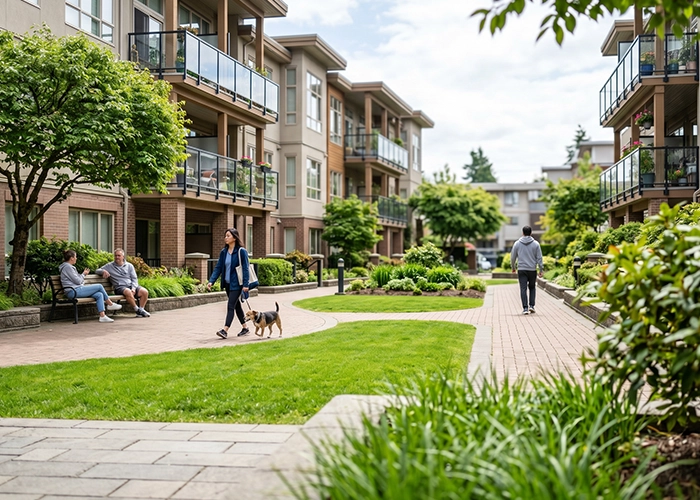
Do condos have yards? It is a common question for buyers who want outdoor space without the full responsibility of maintaining a single-family home. The answer depends on the type of condo, the community design, and the association’s governing documents.
Browse By Category
Sign up for Our Newsletter


Sign up for Our Newsletter
Trending Now


Do condos have yards? It is a common question for buyers who want outdoor space without the full responsibility of maintaining a single-family home. The answer depends on the type of condo, the community design, and the association’s governing documents.
Understanding the Basics
When people ask, “do condos have yards,” they are usually thinking about private outdoor space attached to their unit. In most cases, traditional condominiums do not come with individually owned yards in the same way detached homes do. Instead, outdoor areas are often shared or limited in use.
Condominium ownership is structured differently. Owners typically hold title to the interior of their unit, while exterior spaces such as lawns, landscaping, and common grounds are owned collectively by the association. This setup allows communities to maintain a consistent appearance while reducing the burden on individual owners.
That said, not all condos are the same. Some developments are designed to include small private outdoor areas, while others rely entirely on shared green space. The key is understanding how ownership and usage rights are defined.
How Condo Communities Handle Outdoor Space
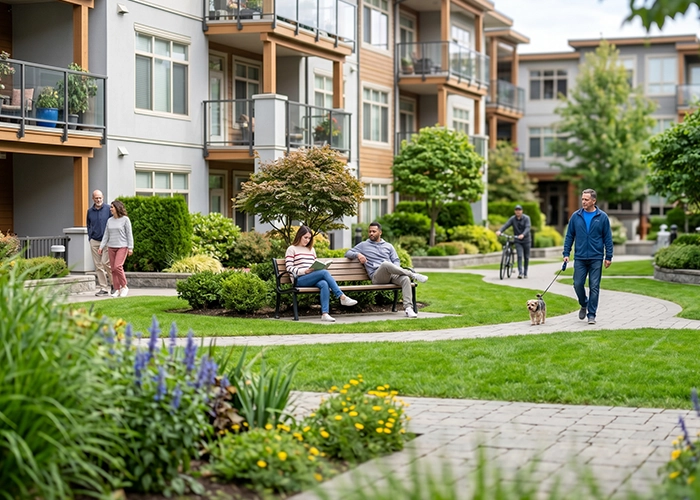
Outdoor space in condo communities is usually divided into three categories. Each plays a different role in how residents experience the property.
Common Areas
Common areas are shared by all residents. These spaces may include lawns, gardens, walking paths, or courtyards. They are maintained by the HOA or condo association using funds collected through dues.
Because these areas are shared, residents do not have exclusive control. However, they benefit from consistent upkeep and professional landscaping. This often results in a cleaner and more uniform appearance across the community.
Limited Common Elements
Some condos offer what are known as limited common elements. These are areas reserved for the use of a specific unit but still owned by the association.
Examples may include:
- Small patios
- Ground-floor terraces
- Assigned garden plots
- Fenced outdoor spaces attached to a unit
While these areas feel private, they are still governed by association rules. Owners may need approval before making changes or additions.
Exclusive-Use Outdoor Spaces
In certain condo developments, especially townhouse-style condos, units may include small private yards. These spaces are either deeded to the owner or designated for exclusive use.
This setup provides more flexibility. However, it often comes with guidelines on landscaping, fencing, and overall appearance to maintain community standards.
Types of Condos That May Include Yards
Not all condos are built the same way. Some designs are more likely to include outdoor space than others.
Garden-Style Condominiums
Garden-style condos are typically low-rise buildings surrounded by landscaped grounds. While these communities offer plenty of greenery, most of the outdoor space is shared.
Ground-floor units may have patios or small areas that feel like a yard. Still, these are often limited common elements rather than fully owned property.
Townhouse-Style Condominiums
Townhouse-style condos are more likely to include private or semi-private yards. These units are usually multi-level and may have front or back outdoor areas.
In many cases, residents can personalize these spaces within the guidelines set by the association. This makes them appealing to buyers who want a balance between convenience and outdoor living.
High-Rise Condominiums
High-rise condos rarely include yards. Instead, they focus on balconies, rooftop decks, or shared amenities such as green spaces and lounges.
While these options provide outdoor access, they do not offer the same experience as a traditional yard. For many urban residents, however, the trade-off is worth it.
Ownership vs Use: Why It Matters
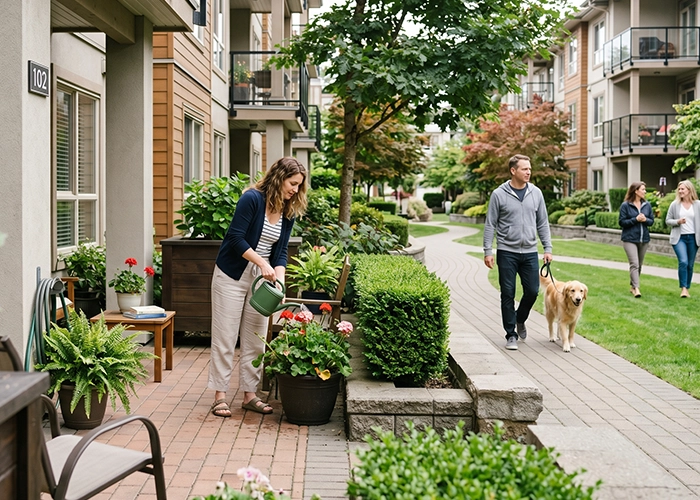
One of the most important things to understand is the difference between owning a yard and having the right to use one. These are not always the same.
Ownership means the space is part of your property. You have more control over how it is used, within local laws and community rules. Use rights, on the other hand, allow access to a space without full ownership.
In condo communities, outdoor areas are often governed by:
- The declaration or CC&Rs
- Bylaws
- Rules and regulations
These documents outline what residents can and cannot do with outdoor spaces. Before purchasing a condo, it is important to review these carefully.
What Rules Apply to Condo Yards
Even when a condo includes a yard or outdoor space, there are usually guidelines in place. These rules help maintain consistency and protect property values.
Some common restrictions include:
- Limits on fencing or enclosures
- Approved types of plants or landscaping
- Restrictions on storage or outdoor furniture
- Pet-related guidelines
- Noise and usage policies
These rules are not meant to limit enjoyment. Instead, they create a balance between personal use and community standards.
Pros of Condos With Yard Space
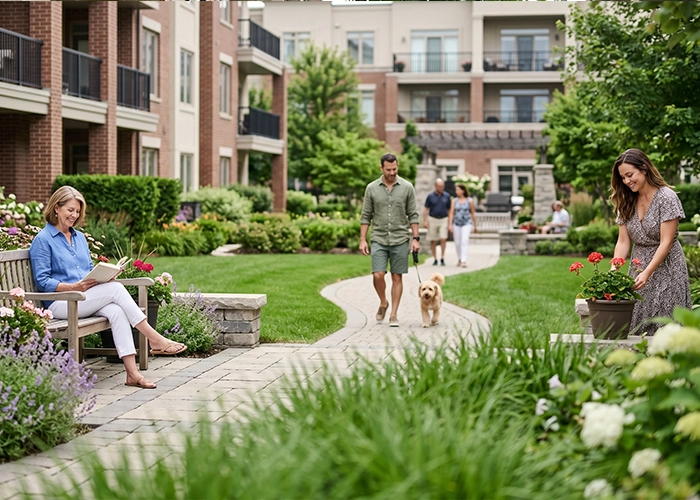
Condos that include yard access offer several advantages, especially for homeowners who want outdoor living without full maintenance responsibilities.
- Lower Maintenance Responsibility
Landscaping is often handled by the association. This reduces the time and effort required from residents. - Access to Shared Amenities
Communities may include parks, gardens, or recreational areas that go beyond what a single yard could offer. - Cost Efficiency
Purchasing a condo with shared outdoor space is usually more affordable than buying a single-family home with a yard. - Community Appeal
Well-maintained outdoor spaces can enhance the overall look and feel of the neighborhood.
Cons of Condos With Yard Space
While there are benefits, there are also some trade-offs to consider.
- Limited Privacy
Shared spaces mean less separation from neighbors. - Restrictions on Customization
Association rules may limit how you can modify or use your outdoor area. - HOA Fees
Maintenance costs are included in monthly dues, which can add up over time. - Shared Responsibility
Decisions about landscaping and upgrades are made collectively, not individually.
Questions Buyers Should Ask

Before purchasing a condo, it helps to ask specific questions about outdoor space. This can prevent confusion and ensure expectations are clear.
- Is the yard privately owned or a limited common element?
- Who is responsible for maintenance and repairs?
- What modifications are allowed?
- Are there additional fees tied to outdoor space upkeep?
- How are disputes handled regarding shared areas?
These questions can provide a clearer picture of what living in the community will be like.
How Condo Yards Compare to Single-Family Homes
Comparing condo yards to those in single-family homes highlights the differences in ownership and responsibility.
In a single-family home, the yard is typically fully owned by the homeowner. This allows for greater freedom in landscaping, design, and use.
In a condo, outdoor space is often shared or regulated. While this limits flexibility, it also reduces maintenance responsibilities and ensures a consistent appearance throughout the community.
For many buyers, the choice comes down to lifestyle. Some prefer the independence of a private yard, while others value convenience and reduced upkeep.
Tips for Maximizing Condo Outdoor Space
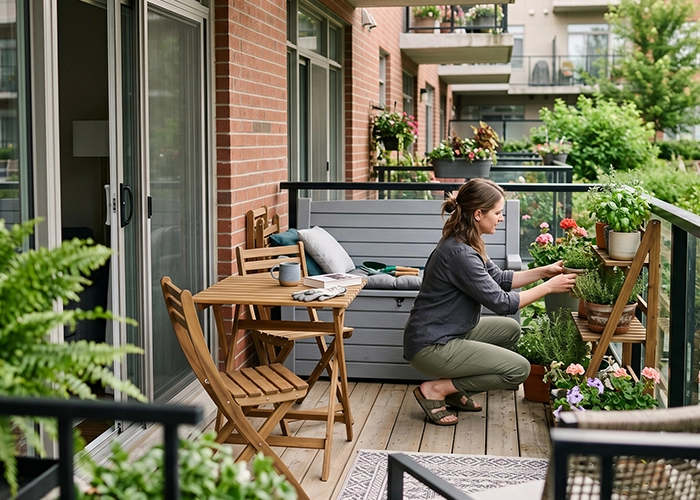
Even with limitations, condo residents can make the most of their available outdoor areas.
- Use compact furniture to create functional seating areas
- Add plants or container gardens for a personal touch
- Follow community guidelines to avoid conflicts
- Keep the space clean and organized
- Consider multi-purpose designs to maximize usability
Small adjustments can make a noticeable difference in how the space feels and functions.
Finding the Right Balance of Outdoor Living
While condos may not always offer traditional yards, they provide flexible outdoor options that suit a wide range of lifestyles. It all comes down to what level of space and upkeep you’re comfortable with.
Explore your options with an HOA professional through our online directory from there, an expert can point you toward communities that strike the right balance between outdoor space and easy living.
Related Articles:
Trending Now

Related Article



Sign up for Our Monthly Newsletter
Sign up below for monthly updates on all HOA Resource