

Is Your HOA Autumn Ready? Checklist For Fall Maintenance For HOA
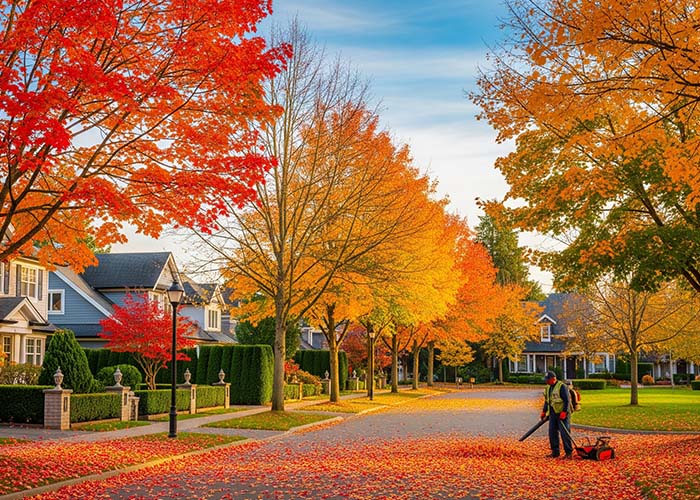
Cooler days and early sunsets signal a shift in how your community should be cared for. A clear plan for fall maintenance for HOA keeps people safe, preserves assets, and reduces emergency calls once winter arrives. Use this refreshed, longer-format guide to pace the work without overwhelming your team.
Browse By Category
Sign up for Our Newsletter

Sign up for Our Newsletter
Trending Now


Cooler days and early sunsets signal a shift in how your community should be cared for. A clear plan for fall maintenance for HOA keeps people safe, preserves assets, and reduces emergency calls once winter arrives. Use this refreshed, longer-format guide to pace the work without overwhelming your team.
Fall Maintenance for HOA Priorities
Start with a walk-through that focuses on safety, water flow, and energy loss. Take note of drainage issues, loose handrails, and any gaps where outside air sneaks into common areas. Share the list with vendors so fall maintenance for the HOA becomes a coordinated effort rather than a scramble.
Organize tasks by the weather conditions that can worsen quickly. Roof leaks, weak limbs, and tripping hazards become more pressing concerns as cold and rain make them harder to address. This simple order helps boards make timely choices and keeps HOA fall maintenance on schedule.
Roofline Care
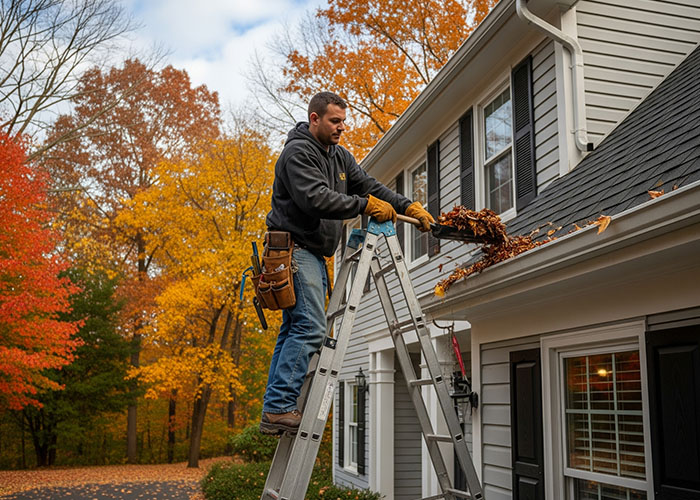
Gutters and downspouts collect leaves fast and then send water where it does not belong. Clean troughs, flush downspouts, and add extensions to direct water away from foundations and slab edges. Inspect splash blocks and swales to ensure they direct water flow rather than ponding near buildings.
Inspect shingles, flashing, and boots at vents. Small gaps become leaks under steady rain, so seal them before temperatures drop. Photograph each issue and fix it so that you can track patterns from one season to the next.
Building Envelope
Comfort and cost both depend on how tightly your buildings are constructed. Replace worn weatherstripping around doors, renew caulk at window trim, and check thresholds for gaps that allow cold air to enter. A tight seal keeps common rooms warmer and reduces strain on heating systems.
Paint serves as a protective coating, not just a decorative finish. Touch up handrails, door frames, and posts in high-traffic areas where moisture and frequent hand contact can wear surfaces thin. These small jobs extend the life of wood and metal through the wet months.
Landscape Health
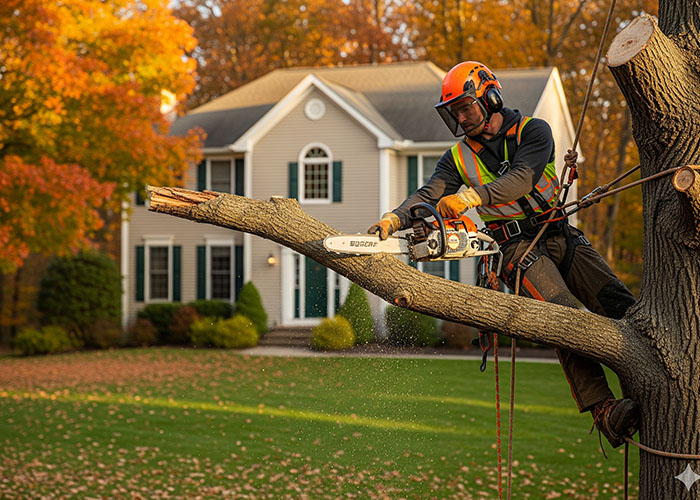
Trees shape safety as much as they shape curb appeal. Remove dead or weak branches over roofs, walkways, and parking stalls. Keep canopies clear of buildings so limbs do not rub siding in windy weather.
Beds and turf need a reset before winter. Add mulch where it is thin to insulate the roots and reduce muddy spots. Reseed bare soil so spring growth starts clean rather than eroded.
Night Lighting
Short days expose lighting blind spots. Take an evening walk and mark dark corners near stairs, mailbox areas, and crosswalks. Replace failed bulbs, straighten leaning poles, and clean fixture lenses to restore light output to full strength.
Timers and photocells should be adjusted to match the season. Set them to turn on earlier and power down on a consistent schedule that respects quiet hours. Repaint fire lanes and curb edges where markings have faded so drivers see guidance in low light.
Shared Amenities
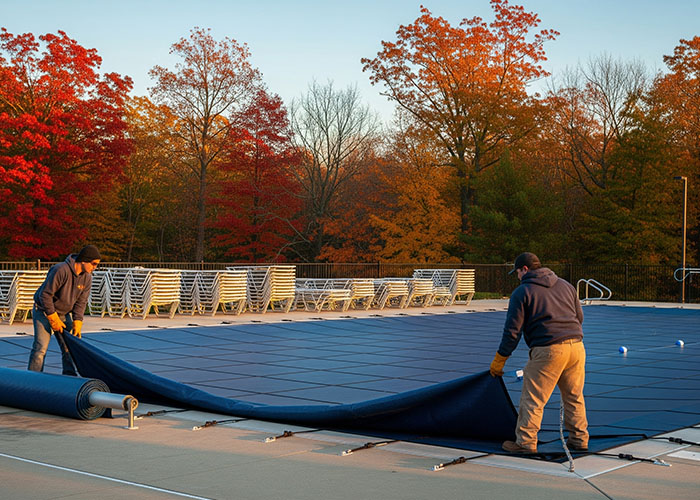
If your pool closes for the season, balance the water, lower the level if necessary, and secure the covers to prevent wind from lifting them. Inspect gates, self-closers, and safety signs while the deck is quiet, then store furniture to protect finishes. A clean, secure space makes spring opening faster.
Play areas deserve the same level of care. Tighten hardware on swings and slides, level loose fill under fall zones, and check borders for trip edges. Courts, grills, and picnic shelters should be cleaned, inspected, and either secured or stored until warmer days return.
Water Systems
Irrigation settings that worked in summer will waste water in the fall. Shorten run times, shut down zones that no longer require watering, and winterize lines and backflow devices where freezing occurs. Take note of closed valves and keep a simple map with on-call staff.
Look for exposed pipes and exterior spigots that need insulation. Foam sleeves are a quick fix that prevents cracks and leaks during the first cold snap. This step is basic hoa fall preparation that saves time and money when temperatures swing.
Safe Surfaces
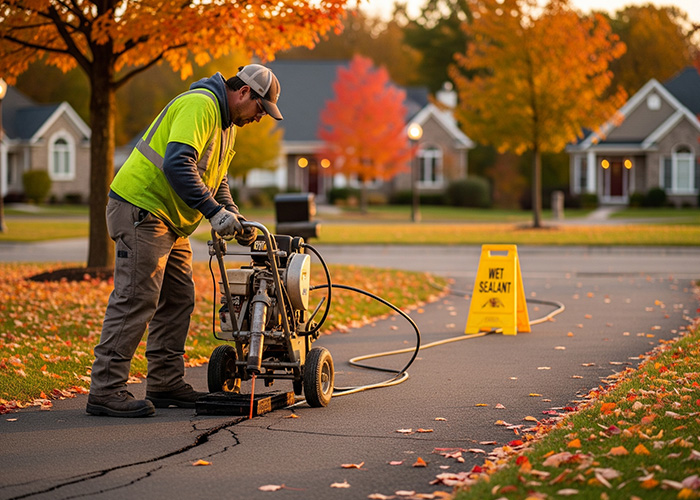
Minor defects become injuries under wet leaves or early frosts. Seal cracks in asphalt and concrete before water can settle and expand. Patch potholes, reset sunken pavers, and grind raised slabs so walkers do not trip.
Paint protects more than the place’s looks. Touch up door faces, railings, and bollards in high-traffic areas where corrosion and moisture are beginning to appear. Clear leaves from drains, curb cuts, and steps to allow surfaces to dry faster after storms.
Budget Planning
Seasonal work should match the plan you adopted earlier in the year. Compare actual costs with budget lines, then document any urgent items that force changes. Good notes today support reserve planning and more accurate bids next fall.
Vendor readiness is part of the financial picture. Confirm insurance certificates, licenses, and emergency contacts for each contractor. Keep copies of your seasonal records so that new board members can easily locate them.
Resident Communication

Clear updates reduce complaints and keep routes open for crews to operate efficiently. Announce tree work, power washing, and parking lot repairs a few days in advance so residents can move their cars and plan accordingly around the noise. A short notice goes a long way toward smoother access.
Invite helpful reporting from residents. Ask people to flag clogged drains, leaning trees, or flickering lights, and then publish a simple way for them to submit those notes. When messages are easy to send, small problems get fixed before they turn into bigger ones.
Weekend Plan
Use one focused block of time to lock in progress. Pick a building cluster or a loop of streets and finish all quick tasks there, from leaf clearing to bulb replacements. The visible change helps residents immediately see the value of fall maintenance for the HOA.
If volunteers are available, match jobs to safe, simple tasks and provide gloves and bags. Keep power tools with staff, and close with a short thank-you at the clubhouse. A bit of hospitality makes future turnouts stronger.
Changing Seasons
A steady cadence today prevents urgent calls tomorrow. With a clear checklist and consistent communication, fall maintenance for HOA becomes manageable work that protects people and property. Your community enters winter prepared rather than reactive.
Need support with your HOA’s fall maintenance? Let professional HOA managers help you out! Check out our online directory today for your area’s best HOA management companies!
Related Articles:
- Embracing the Autumn Spirit: Planning Engaging Fall Events for Your Homeowners Association
- Managing HOA Reserve Funds: Best Practices For Board Members
- A Guide To Robert’s Rules Of Order Make A Motion
Trending Now

Related Article


Sign up for Our Monthly Newsletter
Sign up below for monthly updates on all HOA Resource