

Low-Cost Holiday Activities the Whole Family Can Enjoy

Families in HOA communities often feel the pressure to spend more during the holidays than they planned. Yet some of the most meaningful memories come from simple, low-cost holiday activities that bring people together. A bit of creativity, plus the spaces and resources your community already has, can keep the season joyful without straining the budget.
Browse By Category
Sign up for Our Newsletter

Sign up for Our Newsletter
Trending Now


Families in HOA communities often feel the pressure to spend more during the holidays than they planned. Yet some of the most meaningful memories come from simple, low-cost holiday activities that bring people together. A bit of creativity, plus the spaces and resources your community already has, can keep the season joyful without straining the budget.
Low-Cost Holiday Activities for Cozy Nights at Home
Many of the best low-cost holiday activities start right in the living room. A family movie night with classic holiday films, popcorn, and hot cocoa can feel like a special event when everyone helps set up the pillows and blankets. When screens are turned off afterward, a simple board game or card game often leads to conversations that stick in your memory.
A holiday story night can be just as fun. Parents and kids can take turns reading favorite books aloud or making up a continuing story with holiday characters that changes a little each night. Soft lighting, warm drinks, and a shared blanket help turn an ordinary evening into something that feels cozy and intentional.
On especially chilly nights, a family “camp-in” can be a hit. A small indoor tent or blanket fort, battery-powered candles, and simple snacks make kids feel like they are on an adventure. When everyone falls asleep a little closer together, the holiday mood often feels stronger, even without expensive outings.
Simple Traditions around the Neighborhood

Strolling or driving through nearby streets to look at lights remains one of the most classic low-cost Christmas activities. Families can bring travel mugs of cocoa, bundle up, and rate their favorite displays. In an HOA community, it may even be possible to suggest a friendly, informal decorating challenge where neighbors show off their creativity without feeling pressure to overspend.
A holiday scavenger hunt works well for kids and adults. A parent can write a simple list of items to spot, such as a snowman decoration, a wreath, or a house with all blue lights. Families can walk the community together and check off each item as they find it, which encourages movement, conversation, and attention to details they might usually miss.
Sidewalk chalk art can still work in milder winter climates. Kids can draw snowflakes, ornaments, or festive messages near their driveway while parents chat with neighbors. The drawings wash away with the next rain, so the activity remains light and inexpensive. Families only need a low-cost pack of chalk to keep younger residents happily busy.
Creative Crafts on a Small Budget
Holiday crafts do not need pricey kits. Paper chains, cut-out snowflakes, and hand-drawn window signs all rely on simple supplies. Leftover gift wrap, grocery bags, or old magazines can become garlands that stretch across walls and windows. Kids usually enjoy the process more than the final result, which keeps the focus on time together instead of perfect decor.
Salt dough ornaments are another budget-friendly idea. Flour, salt, and water are often already in the pantry, and cookie cutters give ornaments their shapes. Once baked and cooled, the ornaments can be painted with inexpensive craft paint and hung with string. Parents can write the year on the back so the ornaments become a record of each holiday season.
Families who like a bit more structure might plan one craft afternoon per weekend in December. A simple schedule could include making paper stars one week and decorating plain brown paper for gift wrap the next. Keeping supplies in a single box or bin helps children see that they already have what they need for several crafting sessions.
Holiday Fun in Shared Community Spaces

HOA communities often have amenities that can support low-cost holiday activities for multiple families. A small clubhouse, community room, or park shelter can host a simple “cookies and cocoa” gathering. Each household brings one plate of treats, while the HOA or a volunteer provides hot chocolate mix and paper cups. With music playing in the background, the event feels festive without a large price tag.
A community ornament swap also fits well in shared spaces. Residents can bring one ornament they no longer use and trade it for something different. This kind of exchange refreshes home decor without any shopping. Setting a loose theme, such as “handmade” or “nature inspired,” can help residents come up with creative ideas.
If the HOA has outdoor space, a daytime holiday picnic might work in warmer regions. Families can bring blankets and simple dishes from home, while children play with outdoor toys or organize a casual relay race. The event stays relaxed and inclusive when there is no expectation of elaborate decorations or catered food.
Tasty Treats and Game Nights on a Budget
Food traditions often feel central to the holidays, but they do not have to be expensive. A “bake together” afternoon using one or two low-cost recipes lets kids measure ingredients, decorate cookies, and sample the results. Generic store brands, sale items, and simple flavors like sugar cookies or brownies keep costs lower while still filling the house with good smells.
Game nights pair well with leftovers or snack-style dinners. Families can clear the table, pull out a deck of cards, and use dry beans or buttons as game markers. Digital timers on phones or kitchen timers add excitement without buying new equipment. Guests can be invited to bring a favorite game from home so everyone has a turn picking what to play.
Potluck-style gatherings also stretch budgets. Instead of one household buying food for everyone, each family brings one dish. The host can provide water, tea, or lemonade and a basic dessert. With clear communication about any HOA rules on parking or noise, these informal meals help neighbors connect without high costs.
Giving Back together as a Family
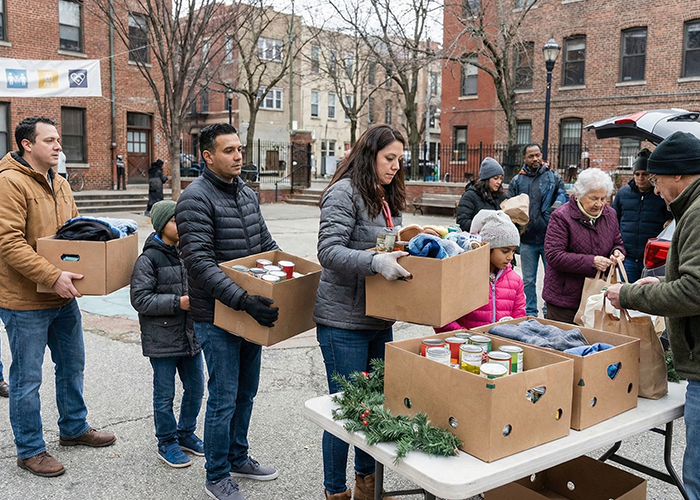
Many families want to include service in their budget-friendly holiday plans. Local charity drives sometimes welcome gently used coats, toys, or books, which encourages children to sort through their belongings and choose items to donate. This habit supports the idea that holiday giving can be about sharing what you already have, not just buying new items.
Some communities organize food drives or adopt-a-family programs. Families who can contribute even a small amount may enjoy shopping for nonperishable items together and delivering them to a collection point. Children often feel proud when they carry bags or help load boxes, and those memories can outlast memories of specific gifts.
Simple acts of kindness within the HOA community matter as well. Checking on an older neighbor, offering to carry packages, or leaving a handwritten card can brighten someone’s day. Parents can talk with children about how kindness fits into the meaning of the holidays and explain that generosity is not limited to money.
Keeping Kids Engaged during School Break
School holidays can feel long when kids are at home all day. A loose daily rhythm helps keep them busy without requiring a packed schedule. Mornings might include reading, crafts, or baking, while afternoons are reserved for outdoor time, even if it is just a walk around the block. Short, planned activities help prevent boredom and reduce the temptation to spend money on last-minute outings.
Families can create a simple “holiday fun jar” with slips of paper listing activities such as “draw a holiday comic,” “have a dance party,” or “build a blanket fort.” When kids feel restless, they draw a slip and follow the suggestion. Many ideas can be completed with items already at home, which keeps costs low and encourages children to use their imagination.
Playdates with neighbors can be coordinated to share the load. One parent might host a craft afternoon while another offers an outdoor play session later in the week. Clear communication about expectations, allergies, and pick-up times keeps everyone comfortable while children enjoy more time with friends.
Planning a Budget-Friendly Holiday Season
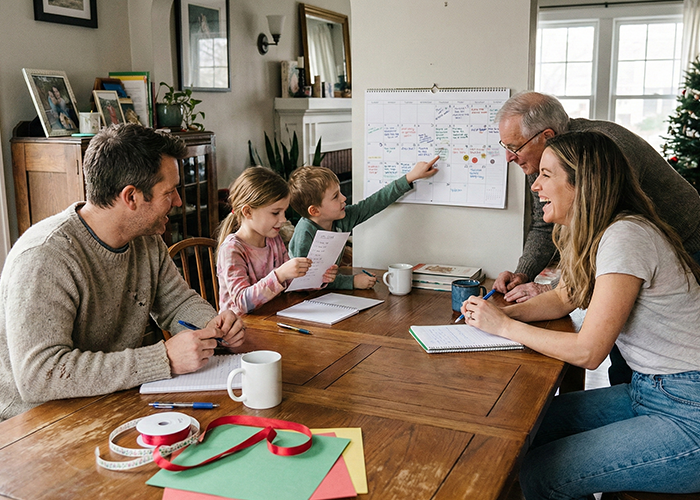
Good planning usually makes low-cost holiday activities easier to enjoy. Families can start by reviewing their overall holiday budget, including gifts, food, and events. Then they can decide how much to reserve for experiences, even if the amount is small. When that figure is clear, it becomes easier to say yes to some activities and no to others. This approach supports a truly budget-friendly holiday.
A simple master calendar helps reduce stress. Parents can mark community events, school performances, HOA gatherings, and family visits in one place. Then they can see where quiet evenings fit between busier days and plug in at-home activities like crafts or movie nights. Spacing things out often prevents burnout and reduces last-minute spending on convenience meals or paid events.
Many households talk about wanting a “budget-frienly Christmas” while still enjoying the season. The most helpful step tends to be setting expectations early. Families can discuss which traditions matter most, where to cut back, and how to focus more on time together. Clear conversations reduce pressure on parents and help children understand why some choices look different from what they see in advertisements.
Memories over Money
Holiday memories usually come from moments of laughter, warmth, and connection, not from price tags. When families focus on low-cost holiday activities, they often discover that simple ideas bring out the most genuine joy. With a little planning, creativity, and support from the HOA community, this season can feel rich in all the ways that matter most.
Related Articles:
Trending Now
Related Article


Sign up for Our Monthly Newsletter
Sign up below for monthly updates on all HOA Resource