
HOA Service Requests: How Associations Handle Resident Concerns Efficiently

HOA service requests are a major part of keeping communities organized, responsive, and well-maintained. From landscaping concerns to maintenance issues and amenity repairs, homeowners rely on their association to address problems quickly and professionally.
Browse By Category
Sign up for Our Newsletter

Sign up for Our Newsletter
Trending Now


HOA service requests are a major part of keeping communities organized, responsive, and well-maintained. From landscaping concerns to maintenance issues and amenity repairs, homeowners rely on their association to address problems quickly and professionally.
When service requests are handled well, residents feel heard and communities run more smoothly. On the other hand, slow responses and poor communication can quickly create frustration between homeowners and the board.
Why They Matter
HOA service requests are formal requests submitted by homeowners or residents when they need assistance with a community-related issue. These requests can involve maintenance, repairs, rule clarification, common area concerns, or questions about association services.
Most communities deal with service requests every day. A resident may report a broken gate in the morning, while another homeowner asks about pool access later that afternoon. Some requests are simple, while others require board review or vendor coordination.
Service requests matter because they directly affect resident satisfaction. Homeowners expect their association to maintain shared spaces and respond to concerns in a timely way. Even small delays can leave residents feeling ignored if communication is poor.
Strong request management also helps protect property values. Communities that stay clean, functional, and responsive tend to maintain a better reputation among current residents and potential buyers.
Common Types of HOA Service Requests

Every HOA community is different, but several types of service requests appear more often than others. Some relate to maintenance, while others focus on communication or administrative support.
Maintenance and Repair Requests
Maintenance concerns are among the most common requests in HOA communities. Residents often report damaged sidewalks, irrigation leaks, broken lighting, roofing concerns, or problems with shared amenities.
Communities with pools, clubhouses, fitness centers, and playgrounds usually receive a higher volume of maintenance requests. These amenities require regular attention, and homeowners expect them to remain safe and functional.
Weather events can also increase repair requests significantly. Storm damage, fallen trees, drainage issues, and fencing problems often lead to sudden spikes in homeowner reports.
Landscaping Concerns
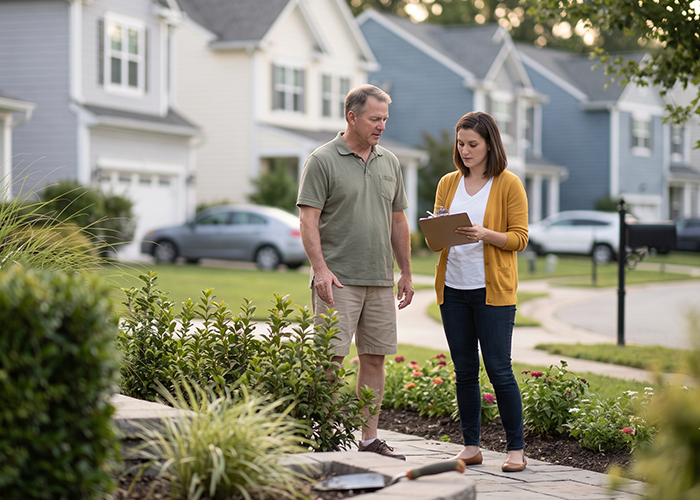
Landscaping plays a major role in curb appeal, so residents frequently submit requests related to lawn care and common area appearance. Overgrown bushes, dead plants, irrigation issues, and missed mowing schedules are common concerns.
Homeowners may also report landscaping problems that affect visibility or safety. Tree branches blocking signs or shrubs obstructing sidewalks can become liability concerns if left unresolved.
Many communities rely on landscaping vendors, which means management companies often coordinate directly with contractors to complete these requests.
Parking and Vehicle Issues
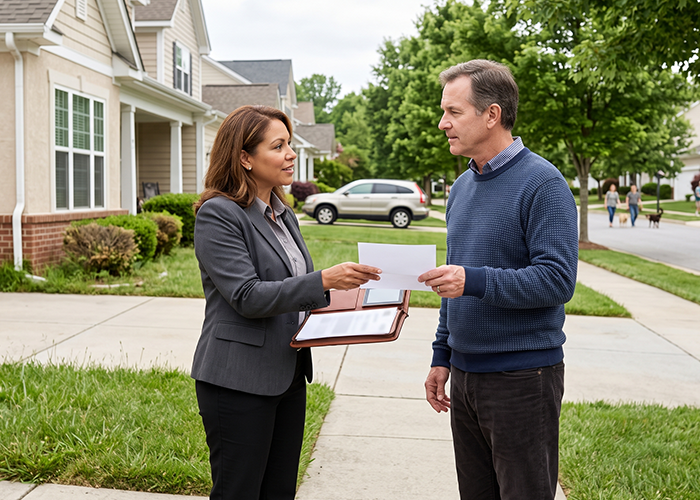
Parking complaints are another frequent source of HOA service requests. Residents may report unauthorized vehicles, abandoned cars, blocked driveways, or repeated violations of parking rules.
These requests often require careful handling because parking disputes can quickly become emotional between neighbors. Associations must balance enforcement with fairness while following governing documents consistently.
Communities with limited parking usually experience higher complaint volumes. Clear communication and consistent policies can help reduce ongoing conflicts.
Amenity Access Problems
Shared amenities generate many service requests throughout the year. Residents may experience issues with gate access systems, clubhouse reservations, pool key fobs, or fitness center equipment.
When amenities stop functioning properly, frustration tends to rise quickly. Homeowners often view these shared spaces as part of the value they receive from their HOA fees.
Fast response times become especially important during busy seasons. A broken pool gate during summer or heating issues in a clubhouse during winter can affect many residents at once.
Rule and Compliance Questions
Not all HOA service requests involve repairs. Many homeowners contact management to ask questions about architectural guidelines, community rules, or violation notices.
Residents may request clarification about fence approvals, exterior paint colors, holiday decorations, or pet policies. These questions are often preventable when associations provide clear communication and updated documents online.
Good communication helps reduce confusion before conflicts develop.
How HOA Service Requests Are Typically Submitted
The way homeowners submit service requests has changed significantly over the years. While phone calls and emails still exist, many associations now use digital systems that simplify communication.
Modern request systems help management companies organize tasks, track progress, and maintain better records.
Online Portals
Many HOAs now provide homeowner portals where residents can submit requests electronically. These systems allow homeowners to describe the issue, upload photos, and monitor updates in real time.
Online portals improve efficiency because requests can be routed automatically to the correct department or vendor. They also create documentation that helps associations track recurring problems.
Residents appreciate transparency as well. Being able to see the status of a request reduces uncertainty and follow-up calls.
Email and Phone Requests
Some communities still rely heavily on email or phone communication. While this approach can feel more personal, it may create delays if requests are not logged properly.
Phone calls can also become difficult to track when multiple staff members are involved. Without a centralized system, details may get lost or forgotten.
That is why many management companies combine traditional communication with digital tracking tools.
Mobile Apps
Some HOA management companies now offer mobile apps that allow residents to submit requests from their phones. These apps often include notifications, document access, and community announcements.
Mobile access has become increasingly important because homeowners expect convenience. Residents want quick ways to report problems without filling out lengthy paperwork.
Communities that embrace technology often see faster communication and better resident engagement.
Why Fast Response Times Are Important
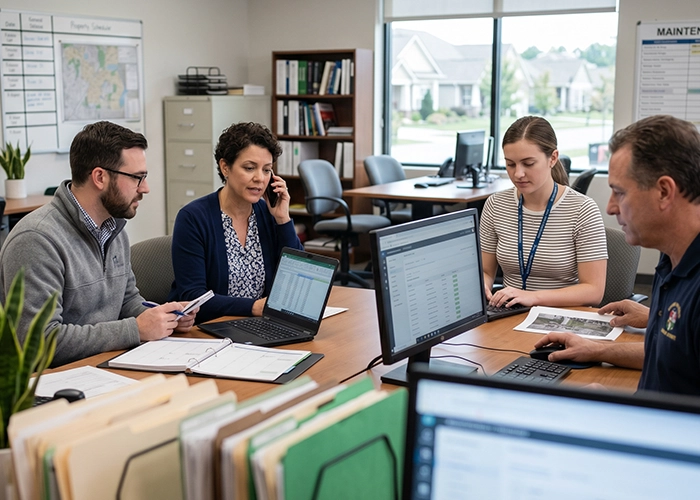
Response time can shape how residents view the entire association. Even when repairs take time, homeowners usually appreciate clear communication and timely updates.
Silence often creates more frustration than the issue itself.
Homeowner Trust Improves With Communication
Residents want to know their concerns are being acknowledged. A quick confirmation message or status update can make a major difference in how homeowners feel about the process.
When communication disappears, residents may assume the association is ignoring them. This can increase complaints and damage trust between homeowners and the board.
Consistent communication helps communities avoid unnecessary tension.
Delays Can Increase Costs
Slow responses sometimes allow small issues to become expensive repairs. A minor leak may lead to water damage, while neglected landscaping could create drainage problems later.
Addressing concerns early often reduces long-term maintenance costs. It also helps associations avoid emergency repairs that disrupt the community.
Preventive action usually saves money over time.
Emergency Requests Require Immediate Attention
Some HOA service requests involve urgent safety concerns. Electrical hazards, broken gates, flooding, or fallen trees may require immediate vendor dispatch.
Communities should have procedures in place for handling emergencies outside normal business hours. Residents also need to understand which issues qualify as emergencies and which can wait for standard processing.
Clear expectations help reduce confusion during stressful situations.
Challenges Associations Face With Service Requests
Managing homeowner requests is not always simple. Even organized communities can face difficulties when request volumes increase or expectations become unrealistic.
Boards and management companies must balance responsiveness with budget limitations and operational realities.
High Request Volumes
Large communities may receive dozens of service requests each week. During busy seasons or after storms, the number can rise dramatically.
This volume can create backlogs if staffing or vendor availability becomes limited. Residents may grow impatient when requests remain open for extended periods.
Prioritization becomes essential during these periods.
Budget Constraints
Not every request can be completed immediately. Some repairs require board approval, reserve funding, or contractor bidding before work begins.
Homeowners may not always understand these financial limitations. A resident could assume the association is delaying work intentionally when the real issue involves budgeting procedures.
Transparency helps homeowners understand why certain repairs take longer than expected.
Vendor Scheduling Issues
HOAs often depend on outside contractors for landscaping, plumbing, roofing, electrical work, and general maintenance. Vendor availability can affect response times significantly.
Some regions also experience seasonal contractor shortages. After major storms, vendors may become fully booked for weeks.
Strong vendor relationships can help communities receive faster service during busy periods.
Communication Gaps
Poor communication remains one of the biggest causes of resident frustration. Homeowners become upset when they do not know whether their request was received or when repairs will happen.
Even simple updates can improve the homeowner experience. Associations do not always need immediate solutions, but they should communicate clearly throughout the process.
Residents usually respond better when expectations are realistic.
Best Practices for Managing HOA Service Requests

Communities that handle service requests effectively often follow similar strategies. Good systems, strong communication, and organized tracking all contribute to smoother operations.
Use a Centralized Tracking System
Centralized systems reduce confusion and improve accountability. Requests can be assigned, monitored, and updated without relying on scattered emails or handwritten notes.
Tracking systems also help management companies identify patterns. If multiple residents report the same issue, the association can address the root problem faster.
Documentation becomes valuable during board meetings and vendor discussions as well.
Set Clear Expectations
Residents should understand how requests are processed and how long responses may take. Providing estimated timelines helps prevent frustration.
For example, emergency repairs may receive same-day attention, while cosmetic concerns could take longer. Clear guidelines help homeowners know what to expect from the start.
Communities often benefit from posting service procedures in homeowner portals or newsletters.
Prioritize Communication
Communication should continue even when repairs are delayed. Homeowners appreciate updates, especially when vendors are waiting on parts, weather conditions, or board approval.
Simple follow-up messages can improve satisfaction significantly. Residents mainly want reassurance that their concern has not been forgotten.
Professional communication also reflects positively on the management company and board leadership.
Review Recurring Issues
Recurring requests often reveal larger maintenance problems. If residents repeatedly report drainage issues or gate malfunctions, the association may need a long-term solution instead of temporary repairs.
Analyzing service trends can help communities plan future maintenance budgets more effectively.
Preventive planning often reduces future complaints.
How HOA Management Companies Improve the Process
Professional HOA management companies often play a major role in organizing and responding to service requests. Their systems, staff, and vendor networks can help associations operate more efficiently.
Management support becomes especially valuable for larger communities with high request volumes.
Organized Communication Channels
Management companies usually provide structured communication systems that help residents submit concerns properly. This keeps requests organized and prevents important issues from slipping through the cracks.
Dedicated staff members may also monitor requests daily and coordinate directly with vendors.
This level of organization helps communities stay responsive.
Vendor Coordination
Management companies often maintain relationships with reliable contractors and maintenance providers. These partnerships can improve scheduling and response times.
Boards benefit because they do not need to manage every repair directly. Instead, management companies handle coordination while keeping the board informed.
This reduces administrative pressure on volunteer board members.
Better Recordkeeping
Detailed records help associations track maintenance history, recurring complaints, and completed repairs. Good documentation can also protect the HOA if disputes arise later.
Records become especially important for insurance claims, compliance concerns, and reserve planning.
Accurate information helps communities make smarter decisions over time.
Keeping Communities Responsive and Well-Maintained
HOA service requests may seem routine, but they play a major role in how residents view their community.
HOAManagement(.com)’s directory can help you find a management that streamline service requests, improve communication, and coordinate maintenance more effectively.
Strong service management helps create happier homeowners and better-run communities for everyone involved.
Related Articles:
- Digital Tools for HOA Communities in the Modern Age
- Vendor Management in HOA Communities: Best Practices for Choosing and Managing Service Providers
- Benefits of HOA Committees: 13 Reasons to Have Them
Trending Now

Related Article

Sign up for Our Monthly Newsletter
Sign up below for monthly updates on all HOA Resource