Vendor Management in HOA Communities: Best Practices for Choosing and Managing Service Providers

Vendor management plays a major role in how HOA communities operate each day. From landscaping and maintenance to security and pool services, the vendors an association hires can directly affect resident satisfaction, property values, and long-term financial health.
Browse By Category
Sign up for Our Newsletter

Sign up for Our Newsletter
Trending Now


Vendor management plays a major role in how HOA communities operate each day. From landscaping and maintenance to security and pool services, the vendors an association hires can directly affect resident satisfaction, property values, and long-term financial health.
Why Vendor Management Is Key to HOA Success
Vendor management is the process of selecting, supervising, evaluating, and maintaining relationships with third-party service providers. In HOA communities, this often includes contractors, maintenance companies, cleaning crews, landscapers, insurance providers, and other specialized vendors.
Many communities rely heavily on outside vendors because HOA boards are made up of volunteer homeowners. While board members make decisions, vendors usually handle the day-to-day operational work that keeps the property functioning properly.
A poorly managed vendor relationship can create ongoing problems for an association. Missed deadlines, poor communication, inconsistent work quality, and unexpected costs can quickly frustrate both homeowners and board members.
On the other hand, effective vendor management helps communities stay organized and proactive. It creates structure, sets clear expectations, and allows boards to focus on larger community goals instead of constantly reacting to service issues.
Common Vendors Used by HOA Communities

Every association has different operational needs, but most HOA communities work with a variety of vendors throughout the year. Some vendors handle recurring services, while others are hired only for specific projects or emergencies.
Common HOA vendors often include:
- Landscaping and lawn care companies
- Pool maintenance providers
- Janitorial and cleaning services
- Security companies
- Roofing and exterior repair contractors
- Pest control providers
- Snow removal companies
- Pressure washing vendors
- Accounting and financial service providers
- Legal professionals
- Property management companies
Some associations may also hire reserve study specialists, engineering consultants, or technology providers depending on the community’s size and complexity.
Because these vendors influence so many aspects of community operations, choosing the right partners becomes extremely important.
How Vendor Management Impacts Homeowners
Many homeowners may never think about vendor management directly, but they experience the results every day.
When landscaping is maintained properly, the neighborhood looks clean and welcoming. When maintenance vendors respond quickly, repairs are completed before problems grow worse. When pool vendors stay on schedule, residents enjoy safer amenities during peak seasons.
Poor vendor oversight creates the opposite effect. Delayed repairs, uneven maintenance, and communication breakdowns often lead to complaints from residents.
Vendor performance can also influence property values. Communities that appear neglected may struggle to attract buyers, while well-maintained neighborhoods often create stronger first impressions.
That is why HOA boards should view vendor management as more than an administrative responsibility. It is part of protecting the overall reputation and stability of the community.
Choosing the Right Vendors for an HOA
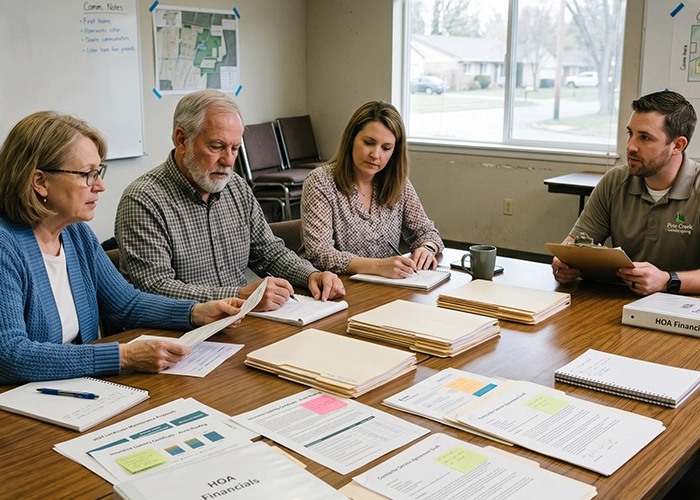
Finding the right vendor involves more than choosing the lowest price. While budget matters, quality, reliability, communication, and experience often have a greater long-term impact.
Some vendors submit attractive bids initially but later create problems through poor workmanship or hidden costs. Others may lack proper insurance or experience working with HOA communities.
A thoughtful selection process helps reduce these risks.
Review Experience With HOA Communities
Not every contractor understands how HOA communities operate. Associations often have unique communication structures, approval processes, and scheduling requirements.
Vendors who regularly work with HOAs usually understand:
- Board approval procedures
- Resident communication expectations
- Common area maintenance standards
- Insurance and compliance requirements
- Vendor access procedures
This experience can make projects run much more smoothly.
Verify Licensing and Insurance
Before hiring any vendor, associations should confirm that licenses and insurance policies are current and valid.
Important coverage may include:
- General liability insurance
- Workers’ compensation coverage
- Commercial vehicle insurance
- Bonding when applicable
Without proper protection, the association could face financial exposure if accidents or damages occur during a project.
Request Multiple Bids
Comparing multiple bids helps boards better understand market pricing and service differences.
However, bids should never be evaluated by cost alone. Boards should also review:
- Scope of work
- Contract terms
- Vendor reputation
- Communication responsiveness
- Estimated timelines
- Warranty information
The cheapest option is not always the most cost-effective one over time.
Check References and Reviews
Speaking with other HOA communities can provide valuable insight into a vendor’s reliability and professionalism.
Questions worth asking include:
- Does the vendor communicate well?
- Are projects completed on time?
- How does the vendor handle problems?
- Have costs remained consistent?
- Would the association hire them again?
These conversations often reveal issues that may not appear in a formal proposal.
The Importance of Clear Vendor Contracts
Strong contracts are one of the most important parts of vendor management. A vague agreement can easily lead to misunderstandings, disputes, or unexpected expenses.
Every contract should clearly define expectations from the beginning.
Key Elements of HOA Vendor Contracts
Well-structured contracts often include:
- Detailed scope of work
- Payment schedules
- Start and completion dates
- Service frequency
- Insurance requirements
- Termination clauses
- Warranty details
- Communication expectations
Specific language reduces confusion later.
For example, a landscaping contract should clearly state how often mowing occurs, what areas are included, seasonal responsibilities, and how additional work requests will be handled.
Without these details, disagreements can develop quickly.
Avoiding Automatic Renewals Without Review
Some HOA contracts automatically renew each year unless the association cancels within a certain notice period.
Boards sometimes overlook these deadlines, which can lock communities into agreements they no longer want.
Tracking renewal dates and reviewing vendor performance annually helps associations maintain better control over contracts and budgeting.
Communication Is a Major Part of Vendor Management
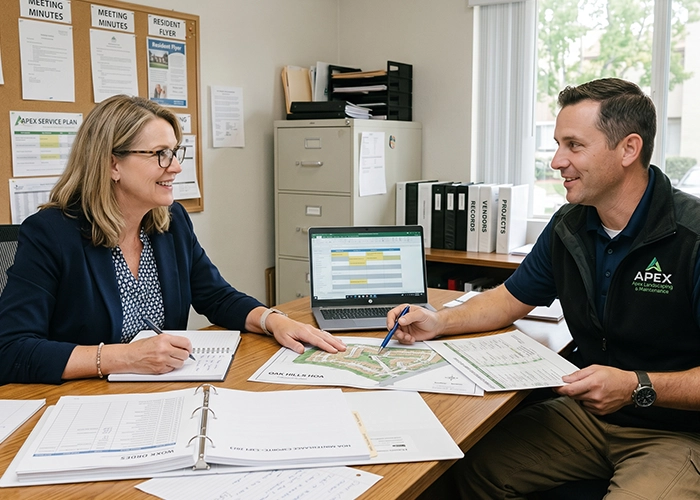
Even skilled vendors can create frustration if communication is poor.
HOA communities involve many moving parts. Residents expect updates, boards need accurate information, and managers often coordinate multiple projects at once.
Strong communication helps prevent confusion and delays.
Establish Primary Points of Contact
Too many voices can create mixed messages for vendors.
Most successful HOA communities establish:
- One primary board contact
- A designated property manager
- Defined approval procedures
This structure helps vendors receive clear instructions while reducing miscommunication.
Set Expectations Early
Vendors should understand how the community prefers to communicate.
This may include:
- Emergency response procedures
- Email response expectations
- Project update schedules
- Resident notification requirements
- After-hours contact procedures
Clarifying these expectations early often prevents problems later.
Monitoring Vendor Performance
Hiring a vendor is only the beginning. Ongoing oversight helps ensure services continue meeting community standards.
Without regular monitoring, small issues can gradually become larger operational problems.
Conduct Routine Evaluations
Boards and managers should periodically review vendor performance throughout the contract period.
Areas to evaluate may include:
- Quality of work
- Reliability
- Communication
- Professionalism
- Budget adherence
- Responsiveness to concerns
These reviews help identify whether adjustments are needed before contracts renew.
Document Problems Promptly
If issues arise, documentation becomes extremely important.
Boards should keep records of:
- Missed services
- Resident complaints
- Delayed repairs
- Contract violations
- Communication issues
Clear documentation helps associations address concerns professionally while protecting the community if disputes occur later.
Managing Vendor Relationships Professionally
Vendor management works best when relationships remain professional and respectful.
Some HOA boards unintentionally create tension by micromanaging vendors or changing expectations without notice. Others become too hands-off and fail to provide enough oversight.
Finding balance is important.
Treat Vendors Like Long-Term Partners
Reliable vendors can become valuable long-term partners for a community.
When associations build strong working relationships, vendors may:
- Respond faster during emergencies
- Offer better pricing consistency
- Prioritize the community during busy seasons
- Communicate more proactively
Mutual respect often leads to stronger service overall.
Address Problems Early
Ignoring vendor concerns rarely improves the situation.
If performance issues develop, boards should address them professionally and quickly. In many cases, small misunderstandings can be corrected before they become major disputes.
Waiting too long often makes resolution more difficult.
How HOA Management Companies Help With Vendor Management
Many HOA boards rely on professional management companies to assist with vendor oversight.
Management companies often bring:
- Existing vendor relationships
- Industry experience
- Contract management systems
- Bid coordination support
- Maintenance tracking processes
- Emergency vendor networks
This support can save volunteer board members significant time and stress.
Professional managers also help ensure vendors remain compliant with insurance requirements, scheduling expectations, and contractual obligations.
For larger associations especially, organized vendor management can become difficult without dedicated administrative support.
Technology Is Changing Vendor Management

Many HOA communities now use technology to improve vendor coordination and accountability.
Modern property management systems often help associations:
- Track vendor invoices
- Store contracts digitally
- Schedule maintenance
- Monitor work orders
- Document vendor communication
- Manage bidding processes
These systems improve organization and reduce the risk of overlooked deadlines or missing records.
Some communities also use resident portals that allow homeowners to report maintenance concerns directly, helping vendors respond more efficiently.
Technology does not replace good vendor relationships, but it can simplify the management process significantly.
Warning Signs of Poor Vendor Management
Vendor problems rarely appear overnight. In many cases, warning signs develop gradually.
Boards should pay attention when they notice:
- Repeated homeowner complaints
- Frequent missed deadlines
- Poor communication
- Unexpected invoice increases
- Declining work quality
- High vendor turnover
- Lack of accountability
Ignoring these issues can create larger operational and financial problems later.
Consistent oversight helps associations identify concerns early and make informed decisions before service quality declines further.
Vendor Management During Emergency Situations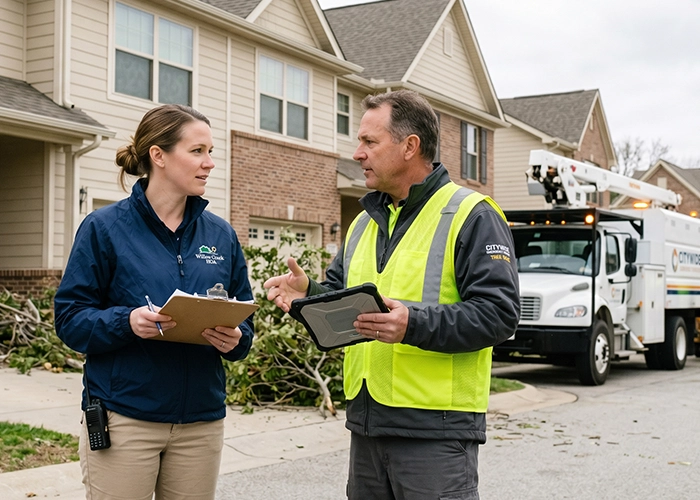
Emergency situations often reveal how strong a vendor relationship truly is.
Storm damage, plumbing failures, electrical problems, or security incidents require quick responses. Communities with dependable vendors often recover faster because communication and expectations are already established.
That is why emergency preparedness should be part of vendor management planning.
Associations should maintain:
- Updated emergency contact lists
- Backup vendor options
- Clear authorization procedures
- After-hours response expectations
Planning ahead can reduce confusion during stressful situations.
Building Long-Term Stability Through Better Vendor Management
Vendor management is not simply about supervising contractors. It is about creating consistency, accountability, and trust throughout the community.
The vendors an HOA hires directly influence maintenance quality, resident satisfaction, budgeting, and community appearance. Strong vendor relationships can help associations operate more efficiently while reducing avoidable problems.
When boards approach vendor management strategically, they place the community in a stronger position for long-term success.
Better Vendor Relationships Lead to Stronger HOA Communities
Good vendor management helps HOA communities stay organized, financially stable, and well-maintained.
Our directory can help you find a management company that simplifies vendor oversight, strengthens accountability, and ensures your association receives reliable service from trusted providers. Explore our directory today!
Related Articles:
- How Does HOA Vendor Evaluation Affect the HOA Budget
- How to Pick the Right HOA Vendors
- What Is HOA Management? Frequently Asked Questions Answered
Trending Now

Related Article


Sign up for Our Monthly Newsletter
Sign up below for monthly updates on all HOA Resource