

HOA Landscaping Rules: A Complete Guide to Yard Standards and Compliance
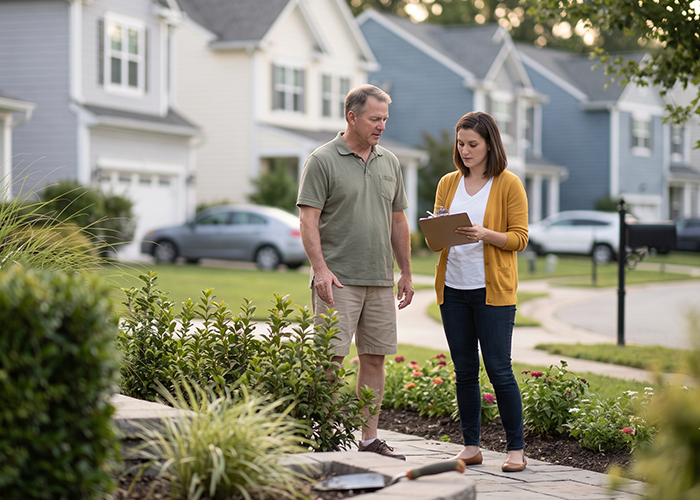
Landscaping does more than improve curb appeal. It helps preserve property values, creates a welcoming neighborhood, and gives communities a clean, consistent appearance.
Browse By Category
Sign up for Our Newsletter

Sign up for Our Newsletter
Trending Now


Landscaping does more than improve curb appeal. It helps preserve property values, creates a welcoming neighborhood, and gives communities a clean, consistent appearance.
What Are HOA Landscaping Rules?
HOA landscaping rules are standards established by a homeowners association to regulate how residents maintain and modify their yards. These rules usually appear in the community’s governing documents, including the Declaration of Covenants, Conditions, and Restrictions (CC&Rs), architectural guidelines, and landscaping policies.
Although every community is different, the goal remains the same. Landscaping rules help create a neighborhood where homes look well-maintained without becoming identical. They also reduce disputes between neighbors by setting clear expectations for outdoor maintenance.
Most associations focus on appearance, safety, irrigation, drainage, and environmental considerations. Some communities maintain all front yards, while others require homeowners to perform routine maintenance themselves. Understanding where those responsibilities begin and end is one of the first steps toward staying compliant.
Why Landscaping Rules Matter
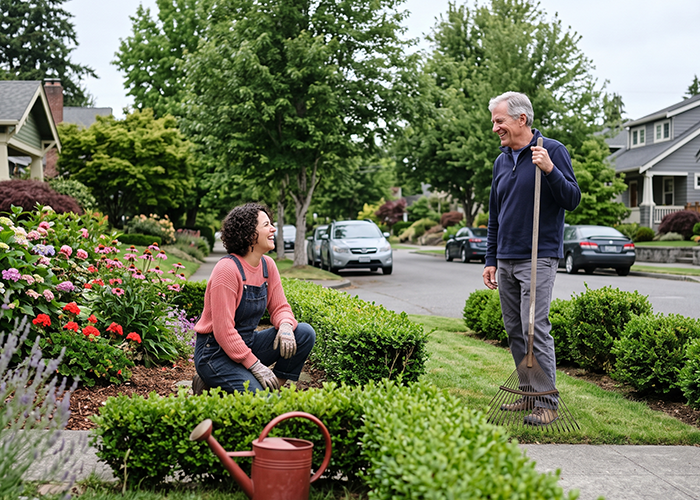
Landscaping may seem like a personal choice, but in an HOA community, it also affects neighbors and the association as a whole. A neglected yard can lower the overall appearance of the neighborhood, while poorly planned landscaping may create drainage problems, obstruct sidewalks, or damage common property.
Well-written landscaping standards benefit everyone because they:
- Protect neighborhood appearance
- Support long-term property values
- Reduce maintenance disputes
- Encourage consistent community standards
- Improve safety around sidewalks and streets
- Help preserve irrigation systems and drainage
Rules also simplify enforcement. Instead of relying on personal opinions, the board can refer to documented standards when addressing landscaping concerns.
Common HOA Landscaping Rules Homeowners Should Know
Most associations adopt landscaping rules that cover both maintenance and exterior improvements. While the details vary, many communities include similar requirements.
Lawn Maintenance
Keeping the lawn healthy is one of the most common homeowner responsibilities.
Associations often require grass to remain trimmed, watered, and free of weeds. Dead patches, excessive overgrowth, or neglected landscaping may result in courtesy notices or violation letters if they remain unaddressed.
Many communities also establish seasonal expectations. During warmer months, mowing may need to occur more frequently, while watering restrictions may apply during drought conditions.
Tree and Shrub Care
Trees and shrubs add beauty and shade, but they also require regular maintenance.
Homeowners may need to trim branches that extend into sidewalks, block traffic signs, or interfere with neighboring properties. Dead or diseased trees might also require removal, particularly if they present a safety hazard.
Some associations even regulate the types of trees residents may plant to avoid invasive roots or excessive maintenance issues.
Weed Control
Weeds can quickly spread throughout an entire neighborhood.
Many HOA landscaping policies require homeowners to remove weeds from lawns, flower beds, sidewalks, and driveways before they become excessive. Associations may conduct periodic inspections to ensure landscaping remains tidy throughout the year.
Mulch and Decorative Rock
Decorative materials often improve curb appeal while reducing maintenance.
However, HOAs frequently specify acceptable mulch colors, rock sizes, or landscaping materials to maintain a consistent appearance. Bright-colored stones or unusual materials may require architectural approval before installation.
Flower Beds and Garden Areas
Many homeowners enjoy adding flowers or small gardens to personalize their property.
While these improvements are usually allowed, associations may establish limits regarding placement, edging materials, height, or overall design. Raised garden beds, vegetable gardens, and native plant installations may require additional approval depending on community standards.
Irrigation Systems
Proper watering keeps landscapes healthy while protecting community resources.
HOAs may require irrigation systems to remain functional and free from leaks. Broken sprinkler heads, excessive runoff, or watering neighboring lots can create problems that affect multiple properties.
Communities located in drought-prone regions may also adopt water conservation policies that align with local regulations.
Who Is Responsible for Landscaping?
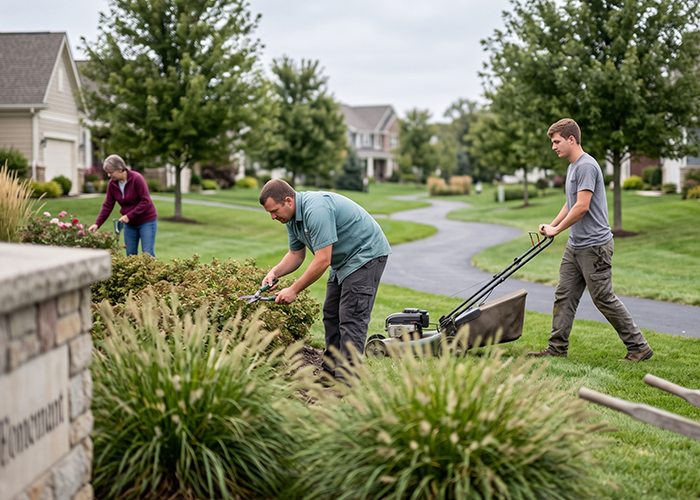
One area that often causes confusion involves maintenance responsibilities. Homeowners sometimes assume the HOA handles all landscaping simply because dues include landscaping services.
The answer depends entirely on the governing documents.
Some communities maintain:
- Front yards
- Common areas
- Entrance monuments
- Parks
- Walking trails
- Community medians
Meanwhile, homeowners may remain responsible for:
- Backyards
- Side yards
- Flower beds
- Trees within property lines
- Irrigation systems serving their lot
- Routine lawn care
Townhome and condominium communities often have different maintenance arrangements than single-family neighborhoods. Reviewing the association’s governing documents helps eliminate misunderstandings before landscaping work begins.
When Architectural Approval Is Required
Many landscaping projects require approval before work starts.
Associations typically review proposed changes through the Architectural Review Committee (ARC) or Architectural Control Committee (ACC). This process helps ensure improvements remain consistent with established community standards.
Homeowners commonly need approval before:
- Installing retaining walls
- Adding landscape lighting
- Planting large trees
- Removing mature trees
- Changing lawn materials
- Installing artificial turf
- Building raised planters
- Adding decorative borders
- Installing water features
- Creating outdoor living spaces
Approval requirements protect both homeowners and the community from costly modifications that may later violate association rules.
Landscaping Modifications That Often Need Approval
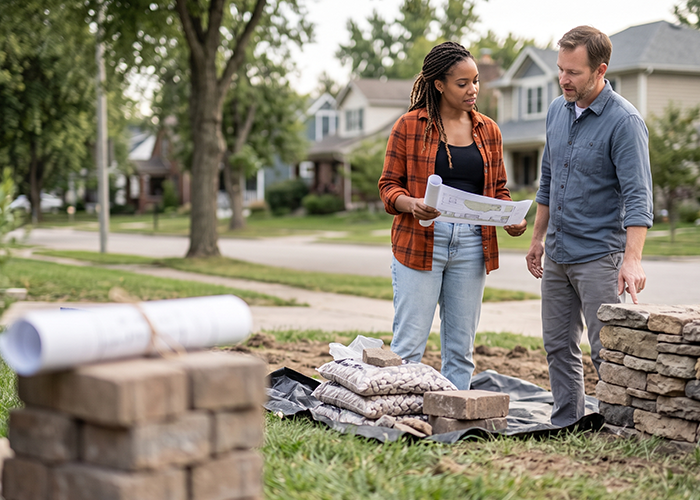
Not every landscaping project requires association approval, but many larger improvements do. Before purchasing materials or hiring a contractor, homeowners should review the governing documents and submit an application if required. Doing so can prevent unnecessary delays and expensive corrections later.
Projects that commonly require approval include replacing grass with another material, expanding planting beds, adding decorative walls, installing permanent lighting, or changing the layout of the yard. Even if the improvement enhances the property, it may still need to meet community design standards.
The approval process also gives the HOA an opportunity to confirm that the project will not affect neighboring homes, common areas, or drainage systems. In many cases, boards simply want to ensure that new landscaping fits the overall appearance of the neighborhood.
Can HOAs Regulate Artificial Turf?
Artificial turf has become increasingly popular because it requires little maintenance and uses no irrigation. While some associations allow synthetic grass, others regulate where it can be installed or what type of product homeowners may use.
An HOA may establish standards for the turf’s color, texture, pile height, and installation method. Some communities only allow artificial turf in backyards, while others permit it in front yards if it closely resembles natural grass.
Homeowners should never assume artificial turf is automatically allowed. Even in states that encourage water conservation, associations may still require approval before installation.
Are Native Plants and Xeriscaping Allowed?
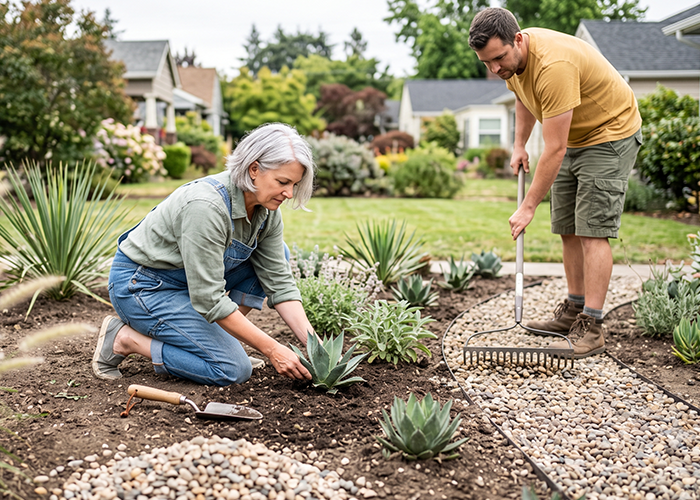
Many homeowners are replacing traditional lawns with native plants and drought-tolerant landscaping. This practice, often called xeriscaping, helps reduce water usage while supporting local ecosystems.
Some HOAs actively encourage these landscapes, especially in areas where water conservation is a priority. Others may allow them only if they follow approved design standards. A yard filled with native plants should still look intentional and well-maintained rather than overgrown.
Associations may establish guidelines covering:
- Approved native plant species
- Ground cover materials
- Decorative gravel or mulch
- Plant spacing
- Irrigation requirements
- Maintenance expectations
Communities can support environmentally friendly landscaping without sacrificing neighborhood appearance.
Landscaping and Drainage Go Hand in Hand
Landscaping affects more than appearance. Poor planning can redirect water onto neighboring lots, sidewalks, or common areas, creating costly problems for both homeowners and the association.
For this reason, many HOAs regulate grading, retaining walls, drainage swales, and large landscaping projects. Even something as simple as installing new flower beds or changing the slope of a yard can alter how water flows after heavy rain.
Homeowners should avoid making changes that block drainage paths or increase runoff onto nearby properties. If a project changes the existing grade, professional guidance may be necessary to ensure proper drainage.
What Happens if a Homeowner Violates Landscaping Rules?
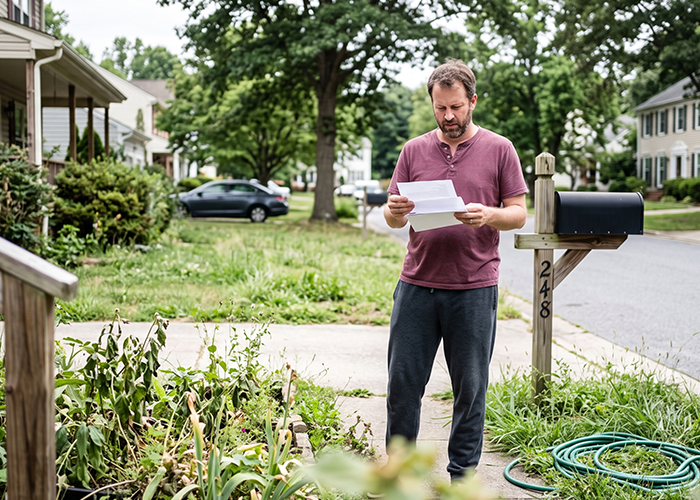
Most associations follow a structured enforcement process rather than issuing immediate penalties. The goal is usually to encourage compliance while giving homeowners an opportunity to correct the issue.
Although procedures vary, the process often includes the following steps:
- Courtesy Notice: The homeowner receives a reminder explaining the issue and requesting corrective action.
- Formal Violation Letter: If the problem remains, the association issues a formal notice outlining the violation and the deadline for compliance.
- Opportunity to Respond: Many governing documents allow homeowners to explain the situation, request additional time, or attend a hearing before further action is taken.
- Fines or Other Enforcement Measures: If the violation continues, the HOA may impose fines or pursue other remedies permitted under the governing documents and state law.
Open communication often prevents landscaping concerns from escalating. If homeowners anticipate delays due to weather, contractor availability, or other circumstances, notifying the association early can make the process smoother.
How Homeowners Can Avoid Landscaping Violations
Staying in compliance is usually easier than correcting a violation after the fact. A little planning before beginning a project can save time, money, and frustration.
Here are several practical ways homeowners can avoid problems:
- Read the HOA’s landscaping guidelines before making changes.
- Submit architectural applications when required.
- Maintain lawns, trees, and shrubs throughout the year.
- Replace dead plants promptly if required by community standards.
- Choose approved landscaping materials and plant varieties.
- Keep irrigation systems in good working condition.
- Address drainage concerns before starting major projects.
- Ask questions if any rule is unclear.
Homeowners who stay informed are less likely to encounter unexpected violations.
Tips for HOA Boards Creating Effective Landscaping Rules
Landscaping policies work best when they are clear, practical, and easy for residents to understand. Vague language often leads to inconsistent enforcement and confusion among homeowners.
Boards should review landscaping guidelines regularly to ensure they reflect current community needs. Updating outdated standards can also help associations accommodate new landscaping trends, water conservation efforts, and changes in local regulations.
When developing or revising landscaping policies, boards should consider the following:
- Define maintenance expectations clearly.
- Explain when architectural approval is required.
- Provide examples of approved landscaping materials.
- Include reasonable maintenance timelines.
- Keep enforcement consistent across the community.
- Consider local climate and environmental conditions.
- Educate homeowners through newsletters or welcome packets.
Well-written guidelines make compliance easier while reducing unnecessary disputes.
Landscaping Rules Should Balance Consistency and Flexibility
The strongest landscaping policies protect the appearance of the community without making homeowners feel restricted. While consistency matters, communities also benefit from allowing thoughtful improvements that reflect changing homeowner preferences and environmental needs.
Boards that communicate expectations clearly and review requests fairly build greater trust within the community. Homeowners are also more likely to follow landscaping standards when they understand the reasons behind them.
How Professional HOA Management Helps
Managing landscaping standards takes time, consistency, and careful attention to detail. Boards already oversee budgets, meetings, vendors, and resident concerns, making landscape compliance another significant responsibility.
A professional HOA management company can help by coordinating inspections, processing architectural applications, communicating with homeowners, and ensuring governing documents are applied fairly. Management professionals also work closely with landscaping vendors, helping communities maintain attractive common areas while reducing administrative burdens on volunteer board members.
A Well-Maintained Community Begins With Clear HOA Standards
When homeowners understand their responsibilities and associations apply standards consistently, landscaping becomes a shared effort that protects both property values and community pride.
Whether maintaining an existing yard or planning a new landscaping project, taking the time to review your HOA’s guidelines first can prevent unnecessary setbacks and help every improvement contribute to a stronger, more beautiful community.
Your board doesn’t have to manage landscaping standards alone. Explore our directory to find trusted HOA management companies that can simplify operations, coordinate maintenance services, and help your community maintain lasting curb appeal.
Related Articles
Trending Now

Related Article


Sign up for Our Monthly Newsletter
Sign up below for monthly updates on all HOA Resource