Is Your Community Ready for Labor Day? An HOA Checklist
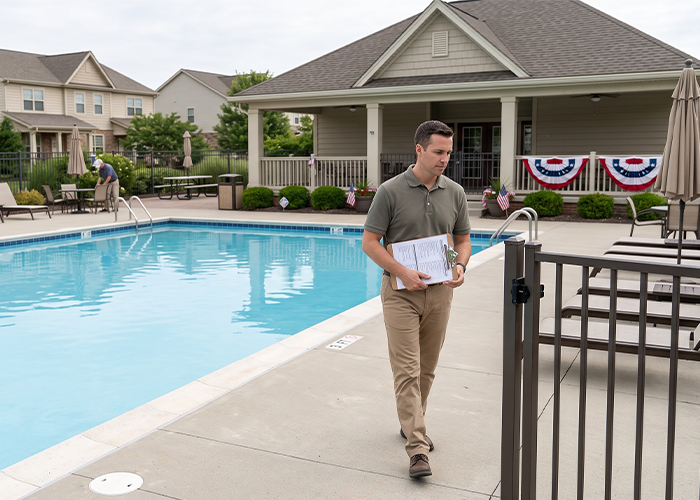
Labor Day weekend is often one of the last big opportunities for residents to enjoy summer with family, friends, and neighbors.
Browse By Category
Sign up for Our Newsletter


Sign up for Our Newsletter
Trending Now


Labor Day weekend is often one of the last big opportunities for residents to enjoy summer with family, friends, and neighbors.
What Your HOA Should Check
A checklist can help boards and managers prepare the community, address safety concerns, and keep common areas running smoothly throughout the holiday weekend.
Holiday weekends can bring more activity to an HOA community than a normal weekend. Pools may be busier, guests may fill visitor parking spaces, and community amenities may see more use than usual. Without some preparation, small issues can quickly turn into resident complaints or safety concerns.
A Checklist gives the board and management team a simple way to review the areas that may need attention before the holiday arrives. It also gives residents clear information about community rules, amenity hours, parking, events, and other expectations.
The goal is not to make the holiday feel overly regulated. Instead, good planning allows everyone to enjoy the weekend while helping the association protect common areas and maintain a safe environment.
Inspect Common Areas Before the Holiday Weekend
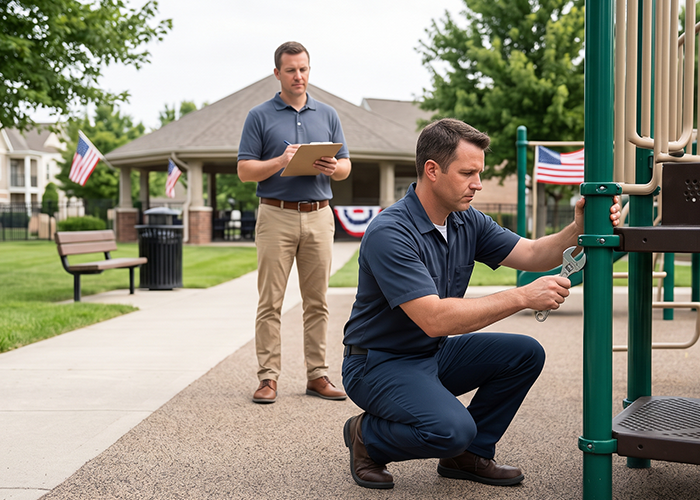
Common areas should be one of the first things reviewed before Labor Day weekend. Areas that receive regular use can experience additional wear when more residents and guests are present.
Walk through the community and look for conditions that could create a problem. Sidewalks, parking areas, entrances, playgrounds, picnic areas, clubhouses, and recreational spaces should all be checked.
Pay particular attention to:
- Cracked or uneven sidewalks
- Loose handrails or damaged steps
- Poor lighting
- Broken gates or fencing
- Overgrown landscaping
- Standing water
- Damaged playground equipment
- Full trash or recycling containers
- Obstructions around walkways and entrances
Problems that may seem minor during an ordinary week can become more serious when a common area is crowded. A loose gate, for example, may not attract much attention on a quiet Tuesday but could become a concern when dozens of residents are using a pool or playground.
If repairs are needed, the board or management company should determine which items need immediate attention and which can be scheduled after the holiday. Emergency concerns should not be delayed simply because a holiday is approaching.
Review Pool and Amenity Safety
For many communities, Labor Day marks one of the final busy weekends of the summer pool season. That makes the pool area an important part of any holiday preparation.
Before the weekend begins, confirm that the pool area, furniture, gates, signs, lighting, and surrounding walkways are in good condition. The association should also review any applicable pool rules and make sure residents can easily find them.
If the community has a clubhouse, fitness center, tennis court, playground, or other shared amenity, those spaces should be reviewed as well.
Boards may want to confirm:
- Holiday hours are clearly posted.
- Access systems are working properly.
- Safety rules are visible.
- Common-area lighting is functioning.
- Furniture and equipment are in good condition.
- Emergency contact information is easy to find.
- Any reservation requirements have been communicated.
Every community is different, and amenity rules may vary based on governing documents, local requirements, insurance policies, and the type of facility involved. Boards should review their own requirements rather than assuming that the same rules apply to every HOA.
Communicate Holiday Rules Early

Clear communication can prevent many of the problems that tend to appear during busy holiday weekends. Residents should not have to search through old emails or governing documents to find out whether the pool closes early, how many guests are permitted, or when quiet hours begin.
A short holiday reminder can cover the most important information without overwhelming homeowners.
Consider including:
- Pool and amenity hours
- Guest policies
- Parking rules
- Trash and recycling reminders
- Quiet hours
- Rules for common-area gatherings
- Pet reminders
- Emergency contact information
- Scheduled maintenance or closures
- Details about any community event
The message should be friendly and straightforward. A reminder that says, “Please remember that quiet hours begin at 10 p.m.,” is usually more effective than a long message filled with warnings.
Residents are more likely to follow rules when they understand what is expected before an issue occurs. Good communication also gives homeowners a chance to ask questions ahead of the holiday instead of waiting until the weekend.
Prepare for Increased Guest Traffic and Parking
Labor Day gatherings often mean more visitors. That can put pressure on guest parking, driveways, streets, and other areas of the community.
Parking rules should be reviewed before the weekend, especially in communities where visitor spaces are limited. If permits, guest passes, or registration are required, residents should be reminded of the process before guests arrive.
A simple parking reminder can address common questions, such as where guests may park, how long vehicles can remain in visitor spaces, and whether overnight parking is permitted.
Boards should also consider access for emergency vehicles. Vehicles that block fire lanes, entrances, hydrants, or other restricted areas can create serious safety concerns.
The purpose of a holiday parking reminder is not to make enforcement more difficult. It is to reduce confusion at a time when the community may have more vehicles than usual.
Coordinate With HOA Vendors

Holiday weekends can affect the schedules of the vendors that keep an HOA community operating. Landscaping crews, pool companies, janitorial services, trash providers, security personnel, and maintenance contractors may have different schedules around Labor Day.
The management team should confirm any services that are important before or during the weekend.
For example, if trash collection is moved because of the holiday, residents should know when containers should be placed out. If a pool company normally performs service on a holiday, the management team should know whether the visit will be rescheduled.
It is also helpful to make sure emergency vendors can still be reached if something goes wrong. A community does not stop needing maintenance simply because the office is closed for a holiday.
Before the weekend, verify:
- Vendor schedules
- Emergency contact numbers
- Pool service arrangements
- Landscaping schedules
- Trash collection changes
- Janitorial coverage
- Security coverage
- After-hours maintenance procedures
A few confirmation calls or emails can prevent unnecessary confusion later.
Keep Holiday Events Simple and Well Planned
Labor Day can also be a good opportunity for residents to connect with their neighbors. An HOA does not need to organize a large event to create a welcoming community atmosphere.
A simple pool gathering, outdoor picnic, neighborhood barbecue, or family activity may be enough. The focus should be on creating an enjoyable experience while staying within the association’s budget and governing documents.
Before planning an event, the board should consider the location, expected attendance, available facilities, cleanup needs, and any applicable community rules. If food, music, alcohol, or other activities are involved, additional requirements may apply.
A basic event plan can include:
- Location: Choose a common area that can safely accommodate the expected number of residents.
- Time: Select a schedule that works with amenity hours and community quiet hours.
- Supplies: Determine what the HOA will provide and what residents should bring.
- Cleanup: Establish who will handle trash and cleanup after the event.
- Communication: Send residents the event details in advance.
- Safety: Review the area for potential hazards before guests arrive.
Holiday events work best when expectations are clear. A small gathering that is well organized can be more successful than an expensive event with too many moving parts.
Review Noise, Party, and Guest Rules
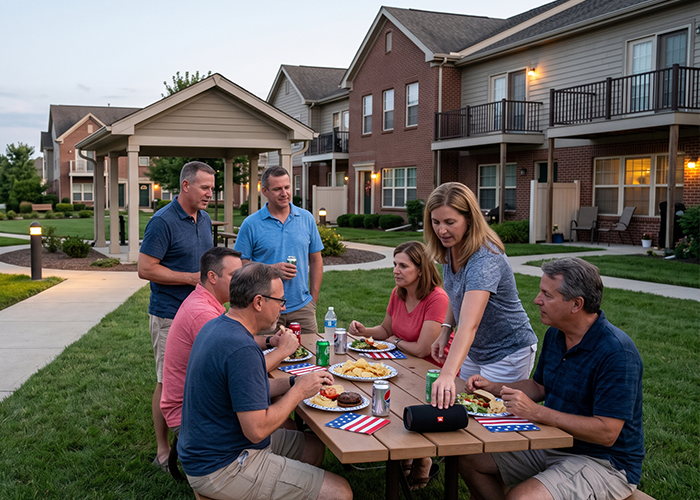
More social activity can also mean more noise. Music, outdoor conversations, parties, and gatherings may continue later than usual during a holiday weekend.
HOA boards should review the association’s existing rules before sending reminders. If the governing documents establish quiet hours, those rules should be communicated consistently rather than creating a special holiday policy without proper authority.
The same approach applies to parties and guests. Residents should understand what the community permits and whether there are limits related to common-area use, parking, or the number of guests.
It is important for boards to avoid making assumptions about what residents can or cannot do. Rules should be based on the association’s governing documents and applicable laws.
A polite reminder before Labor Day can often accomplish more than an enforcement notice after a problem has already occurred.
Plan for Trash and Cleanup
More people generally means more trash. This is especially true when residents are hosting cookouts, using community amenities, or spending more time outdoors.
Trash containers in common areas should be checked before the weekend. If additional collection or temporary containers are needed, arrangements should be made in advance.
Residents can also be reminded to dispose of food waste, packaging, bottles, and other items properly. If the community has recycling requirements, those instructions can be included in the holiday communication.
After the weekend, common areas should be inspected for leftover trash, damaged furniture, spills, or other issues. A quick cleanup can help the community return to its normal routine without unnecessary delays.
Prepare for Maintenance Issues and Emergencies
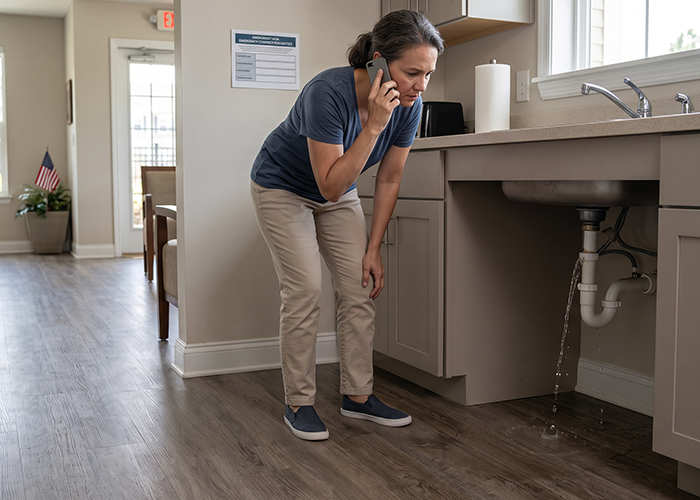
Even with careful planning, unexpected problems can happen. A pool pump may stop working, a gate may malfunction, a tree branch may fall, or a plumbing issue may occur at an inconvenient time.
The board does not need to predict every possible emergency. It does need to make sure residents know how to report urgent problems and that the management team has access to the right contacts.
Before the holiday, review the association’s emergency procedures and make sure important information is current.
This may include:
- Management company contact information
- After-hours emergency numbers
- Plumbing and electrical vendors
- Pool emergency contacts
- Security contacts
- Utility information
- Board emergency contacts, when appropriate
Emergency information should be easy to locate. A resident who discovers a serious water leak should not have to search through several old community emails to find out who to call.
Think About Weather and Seasonal Risks
Labor Day falls near the transition from summer into fall, but weather conditions can still vary significantly across the United States. Some communities may be dealing with extreme heat, while others may be watching for thunderstorms, heavy rain, or other seasonal conditions.
Boards should consider the weather risks that are common in their particular region. Outdoor events may need a backup plan if severe weather is expected.
For communities in areas affected by hurricanes or tropical storms, early September can also be an important time to review emergency preparedness procedures. Boards should follow local emergency guidance and make sure residents know where to find official information.
Weather preparation does not have to be complicated. The important part is knowing what risks are most likely in the area and having a reasonable response plan.
Give Residents a Clear Holiday Reminder
One well-written notice can bring together many of the items on the Labor Day Checklist. The message does not need to be lengthy.
A useful reminder might include the following:
Labor Day Weekend Community Reminder
- Pool and amenity hours
- Parking and guest requirements
- Quiet hours
- Trash collection schedule
- Community event information
- Emergency contact information
- Any temporary closures or maintenance
- A friendly reminder to respect neighbors and shared spaces
Sending the notice several days before the holiday gives residents enough time to make arrangements. A second, shorter reminder can be sent shortly before the weekend if needed.
Communication should also be consistent across the channels the community normally uses. Depending on the association, that may include email, a resident portal, community website, newsletter, or posted notice.
Use Labor Day as a Transition Into Fall Planning
Labor Day is also a useful point on the calendar for looking beyond the holiday weekend. As summer winds down, boards can begin reviewing fall maintenance needs and upcoming community projects.
This may include landscaping changes, irrigation work, roof and gutter inspections, pest control, seasonal maintenance, or preparation for colder weather in areas where winter conditions are a concern.
Vendor contracts should also be reviewed when seasonal services are changing. Check the scope of work, pricing, service dates, and after-hours procedures so there are no surprises later in the year.
Good fall planning does not require a major project all at once. A simple review of upcoming maintenance can help the board stay ahead of problems instead of reacting to them.
Make Every Holiday a Safer One
Labor Day weekend is a great opportunity for residents to enjoy their community, but a little preparation can go a long way toward preventing avoidable problems.
From inspecting common areas and preparing amenities to communicating safety reminders and ensuring vendors are ready to respond.
When you need reliable professionals to help maintain, manage, and protect your community. Explore our directory to connect with professionals who can help your community stay well-maintained, prepared, and ready for every season and holiday weekend.
Related Articles:
- HOA Events Committee: Roles in the Community
- HOA Management Issues Caused By Poor Communication In HOA
- How to Update HOA Rules: What the Board Should Know
Trending Now

Related Article

Sign up for Our Monthly Newsletter
Sign up below for monthly updates on all HOA Resource