
Are HOA Foreclosure Rules Becoming More Homeowner-Friendly

In many parts of the country, the answer is yes, but only to a degree. Lawmakers are not removing an association’s power to collect valid assessments. They are adding safeguards that can slow the process, separate unpaid dues from fines, and give owners a fair chance to respond.
Browse By Category
Sign up for Our Newsletter


Sign up for Our Newsletter
Trending Now


In many parts of the country, the answer is yes, but only to a degree. Lawmakers are not removing an association’s power to collect valid assessments. They are adding safeguards that can slow the process, separate unpaid dues from fines, and give owners a fair chance to respond.
Why HOA Collection Reform Is Gaining Attention
Regular assessments pay for services that benefit the whole community. Landscaping, insurance, repairs, utilities, security, and reserve contributions still cost money even when some owners do not pay. Boards therefore have a duty to address delinquent accounts instead of shifting the burden to neighbors who pay on time.
The concern is not the collection itself. The concern is what can happen when a modest balance grows through late charges, fines, collection costs, and attorney fees. A homeowner may dispute the original charge yet find that the added costs soon exceed it.
Foreclosure also carries a unique risk because the property is often worth far more than the amount due. That gap has led lawmakers to ask whether every collection step is fair, clear, and proportional to the debt.
What More Protective HOA Laws Tend to Change

Although state laws differ, homeowner-friendly reforms often cover the same parts of the collection process. The goal is usually to preserve legitimate collection rights while reducing avoidable harm.
Common reforms include:
- Limits on fines and late charges. States may cap certain charges or require a published fine schedule.
- Clearer notice rules. Associations may need to state the violation, balance, cure period, and next collection step in writing.
- A chance to be heard. Owners may have a right to request a hearing or challenge a fine before it becomes final.
- Payment-plan requirements. Some laws require an association to offer a reasonable plan before filing a foreclosure case.
- Minimum foreclosure thresholds. A lien may exist, but foreclosure may be barred until the assessment debt reaches a set amount or age.
- Limits on which debts count. Fines, legal fees, and other charges may be excluded when the foreclosure threshold is calculated.
- More state oversight. Registration, reporting, record retention, and complaint procedures can make associations more accountable.
These rules do not erase what an owner owes. Instead, they create checkpoints before a serious enforcement action can move forward.
How Fines Can Turn into a Larger Collection Problem
An HOA fine is normally meant to encourage compliance, not produce income. It might address repeated parking violations, an unapproved exterior change, excess noise, or a failure to maintain the property. The association’s authority to issue it comes from state law and the governing documents.
Problems arise when an owner does not understand the charge or believes it was imposed unfairly. If the fine remains unpaid, more charges may be added. The account can then move from internal notices to a collection agency or attorney.
Newer laws often draw a sharper line between rule-enforcement fines and unpaid assessments. This is important because assessments fund the community’s shared expenses, while fines serve a different purpose. Some states now limit whether fines alone can support a foreclosure or count toward its minimum debt threshold.
Why Better Notices Matter

A notice is useful only when it tells the owner what is wrong and what must happen next. A vague letter that lists a total balance without showing how it was calculated does little to resolve a dispute.
A sound collection notice should usually include:
- The amount of unpaid assessments
- Any fines, interest, late charges, or legal fees
- The date each charge was added
- The rule or document that permits the charge
- The deadline to pay, cure, or request a hearing
- The next action the association may take
- Contact details for questions or payment-plan requests
Some reforms also require delivery by certified mail or another method that creates a record. Longer notice periods give owners more time to review the account, correct an address problem, seek legal advice, or arrange payment before foreclosure begins.
Georgia’s New Law as a Timely Case Study
Georgia’s Property Owners’ Bill of Rights Act, also known as Senate Bill 406, offers one of the clearest recent examples of stronger HOA oversight. Governor Brian Kemp signed the measure on May 12, 2026. Most of the law takes effect on January 1, 2027, while one section on attorney fees took effect July 1, 2026, for actions filed on or after that date.
The law creates a state registration system for covered owners’ associations. A registered association must provide its name, address, officers, governing documents, and a financial statement dated within one year of filing. Registration and annual renewal each cost $100, and associations must update material changes within 30 days.
This is more than a paperwork rule. An association that is not registered generally cannot collect fines or fees, file or record liens, or start foreclosure proceedings. That connects legal enforcement power to basic public accountability.
What Georgia Associations Must Do to Stay Accountable

Under SB 406, registration expires at the end of each calendar year. The Georgia Secretary of State may review records tied to finances, assessments, fines, fees, liens, and foreclosures. Covered associations must also retain related records for at least 10 years.
The Secretary of State may deny, suspend, or revoke a registration on grounds listed in the law. The office may also limit fines or fees and take action when required filings are materially incomplete, misleading, or noncompliant.
For owners, this creates a state-level point of accountability that did not exist in the same form before. It also gives boards a clear reason to keep governing documents, account histories, and collection records organized.
Georgia’s New Foreclosure Threshold and Notice Period
SB 406 also changes when certain Georgia property owners associations may foreclose a lien. Starting January 1, 2027, the assessment balance must reach the lesser of $4,000 or 12 months of regular assessments, but it may not be less than $2,000.
Specific assessments, fines, and other fees do not count toward that threshold. The law also extends the required preforeclosure notice period from 30 days to 60 days. The notice must state what is due and explain that payment before the sixtieth day after receipt will remove the right to foreclose based on that notice.
The wording matters. Georgia did not create a flat $4,000 rule for every community. A board and its attorney must calculate the threshold under the statute and confirm which charges qualify before moving ahead.
New Protections for Payments and Attorney Fees

Georgia’s law sets an order for applying money received from an owner. Payments must go first to regular assessments, then special assessments, specific assessments, and finally other fees and fines. An association also may not refuse a partial assessment payment or impose accelerated assessments against an owner.
This payment order can stop a difficult cycle. Without such a rule, a payment might be applied to fees first while the assessment remains delinquent, allowing the lien balance to keep growing. Applying funds to core assessments first makes it easier for an owner to reduce the debt that matters most.
Before an association can collect or receive attorney fees in covered cases, it must send an initial written notice that identifies outstanding fines or delinquent fees. The owner then has 30 days after receiving the notice to pay, and claimed attorney fees must be itemized. In a bench trial, the judge must review those fees for reasonableness before awarding them.
What These Changes Mean for HOA Boards
Stronger homeowner protections do not have to weaken an association’s finances. In fact, a fair and consistent collection policy may improve voluntary payment because owners can understand the balance and see how to resolve it.
Boards should work with their manager and legal counsel to review:
- The association’s fine and collection policies
- The wording and delivery of notices
- The order in which payments are applied
- Hearing and appeal procedures
- Payment-plan options
- Board approval requirements for liens and foreclosure
- State registration and reporting deadlines
- Record retention for owner accounts
Board members should also avoid treating foreclosure as an automatic step on a checklist. The board should confirm the debt, assess the owner’s response, compare available collection options, and document why foreclosure is necessary.
What Homeowners Should Do When They Receive a Notice
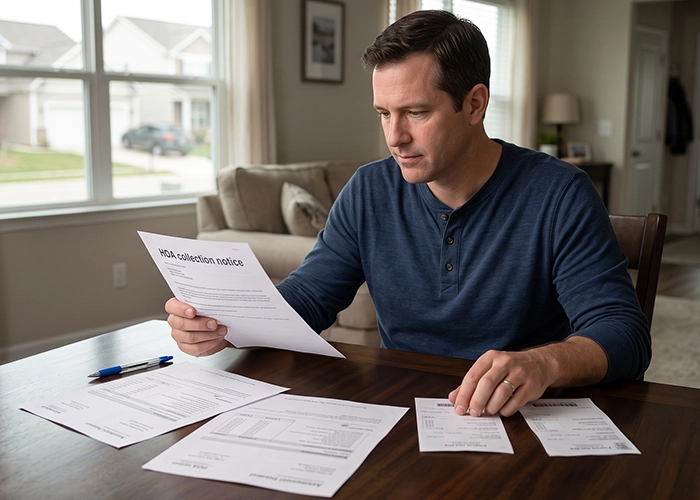
Ignoring an HOA letter rarely makes the problem disappear. Even when the owner disputes the charge, missing a deadline may limit the choices available later.
An owner who receives a collection notice should:
- Read the entire notice and note every deadline.
- Compare the balance with prior statements and proof of payment.
- Request an itemized ledger if the charges are unclear.
- Review the declaration, bylaws, rules, and collection policy.
- Ask in writing about a hearing or payment plan.
- Keep copies of letters, emails, receipts, and delivery records.
- Speak with a qualified local attorney if a lien or foreclosure is threatened.
Homeowners should also check current state law rather than relying only on older governing documents. A declaration may grant broad enforcement powers, but a newer statute can add limits or procedures that the association must follow.
What Homeowner-Friendly Does Not Mean
More protective rules do not make assessments optional. An association still depends on owner payments to maintain common property, insure the community, fund reserves, and meet contracts. If too many accounts remain unpaid, services may suffer or other owners may face higher assessments.
These laws also do not excuse ongoing covenant violations. Boards may still enforce valid restrictions when they act within their authority, follow fair procedures, and apply rules consistently.
The real change is one of balance. Homeowners receive more time, information, and ways to challenge errors, while associations keep tools to collect legitimate debt after meeting clear legal duties.
A Smarter, More Balanced Approach to HOA Collections
The best collection systems resolve most delinquencies long before a lien or foreclosure becomes necessary. Early reminders, accurate ledgers, plain-language notices, and realistic payment plans can protect both the owner and the association.
Consistency is just as important. Boards should follow the same written policy for owners in similar situations and document any permitted exception. Selective or uneven enforcement can deepen conflict and expose the association to legal risk.
As HOA foreclosure rules become more homeowner-friendly, boards must balance compassionate collection practices with their responsibility to protect the association’s finances. Explore our directory to find a trusted partner for your community.
Related Articles:
- HOA Cashflow: Why Healthy Cash Flow Is Essential for Community Associations
- How Can A Homeowner Request HOA Documents
- Managing HOA Reserve Funds: Best Practices For Board Members
Trending Now

Related Article



Sign up for Our Monthly Newsletter
Sign up below for monthly updates on all HOA Resource