HOA Insurance Crisis? What Every Board Needs to Know

What happens when an HOA can no longer afford the insurance it depends on? For many communities, rising premiums are only part of the problem.
Browse By Category
Sign up for Our Newsletter

Sign up for Our Newsletter
Trending Now


What happens when an HOA can no longer afford the insurance it depends on? For many communities, rising premiums are only part of the problem.
Understanding the Crisis
The HOA insurance crisis did not come from one bad storm or one costly year. Insurers have faced repeated losses from hurricanes, wildfires, hail, floods, freezes, and other severe events.
Carriers also buy reinsurance, which is insurance for insurance companies. When that protection becomes more costly or harder to obtain, some of the added expense reaches policyholders. Associations may then see higher prices even if they have never filed a large claim.
Local conditions matter as well. A coastal condominium, a wooded community in a wildfire zone, and an older inland townhome property do not present the same risks. Yet each can face pressure when insurers reduce the amount of business they are willing to write in a state or region.
What’s Behind the Rising Cost
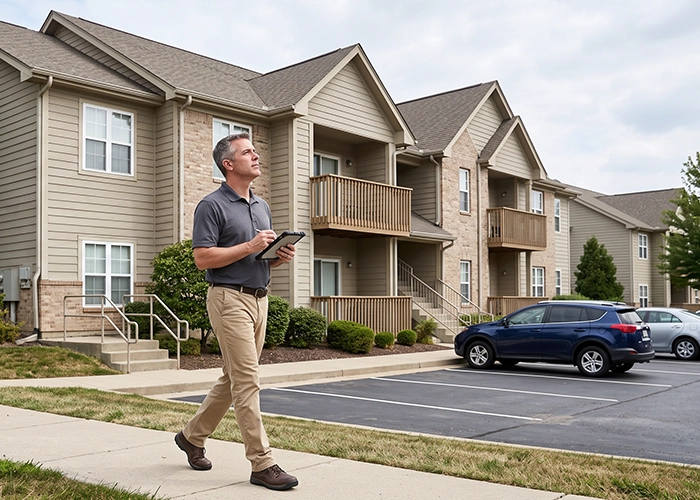
An insurance premium reflects the carrier’s view of future risk. It is not based only on what happened at the property last year. The insurer may also consider the age and type of construction, location, claim trends, estimated rebuilding cost, maintenance history, and the condition of key building systems.
Replacement values have played a major role in recent increases. A building that was insured for an adequate amount several years ago may now cost far more to rebuild. Updated labor rates, material prices, building codes, debris removal, and professional fees can all push the estimate higher.
Some boards respond by assuming the lowest quote must be the best one. That can be a costly mistake. A lower premium may come with a larger deductible, a smaller limit, more exclusions, or a different valuation method that shifts much more risk to the association.
What Reduced Coverage Means for a Community
Reduced coverage is not always obvious on the first page of a proposal. A policy may look familiar while important terms have changed deeper in the forms and endorsements. The board should compare the full renewal proposal with the expiring policy, not merely compare premium totals.
Changes may affect water damage, roofs, wind, named storms, ordinance or law costs, equipment breakdown, crime, cyber events, or directors and officers liability. Some policies may also move certain property from replacement cost coverage to actual cash value, which allows depreciation to be considered when a loss is paid.
Boards should ask the broker to identify every material restriction in plain language. The following items deserve close review:
- Coverage limits and sublimits
- New or revised exclusions
- Replacement cost versus actual cash value
- Wind, hail, flood, and named storm terms
- Water damage and sewer backup limits
- Ordinance or law coverage
- Coinsurance requirements
- Protective safeguard conditions
- Defense costs under liability policies
The goal is not to buy every coverage at any price. It is to understand which risks remain with the HOA so the board can decide whether to retain, reduce, avoid, or transfer them.
How Higher Deductibles Shift Risk to the HOA

A deductible is the portion of a covered loss the association must absorb before insurance responds. Raising it can lower the premium, but the savings do not erase the risk. They simply move more of that risk onto the community.
Percentage deductibles require special attention. A 5% named storm deductible may sound manageable until it is applied to a multimillion-dollar insured value. Boards must confirm what value the percentage uses and whether the deductible applies per building, per occurrence, per season, or in another way.
The association should have a realistic plan to fund every deductible it accepts. Depending on state law and the governing documents, funds may come from operating cash, reserves, a special assessment, or borrowing. An attorney and reserve professional can help the board assess which options are allowed and sensible.
Why Risk Inspections Matter More Today
Insurance inspections are no longer a minor renewal formality. Carriers use them to decide whether a property fits their underwriting rules and whether repairs must be completed before coverage begins or continues. A poor inspection can lead to conditions, price changes, postponed quotes, or nonrenewal.
Inspectors often look at roofs, electrical panels, plumbing, water heaters, stairs, railings, balconies, fire protection, trees, drainage, and general housekeeping. In larger buildings, they may request records for elevators, sprinklers, alarms, generators, boilers, or other critical systems.
The condition of the records can matter almost as much as the property itself. A board may have completed years of sound maintenance, but an underwriter cannot give credit for work that is poorly documented. Invoices, permits, photographs, inspection reports, warranties, and service logs help prove that a risk has been addressed.
How Boards Can Prepare for an Insurance Inspection
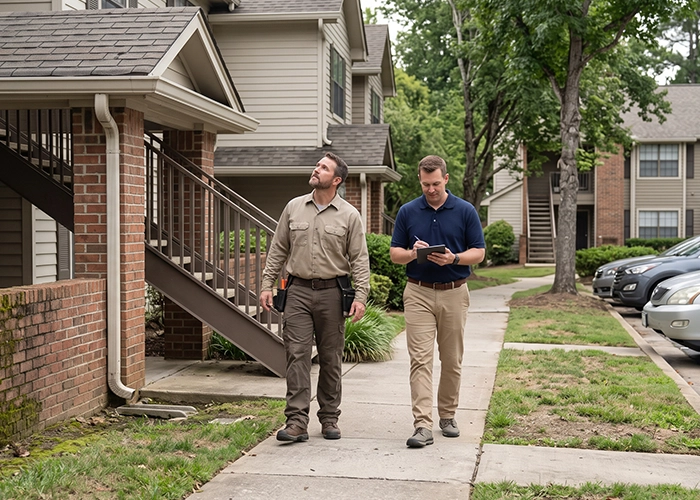
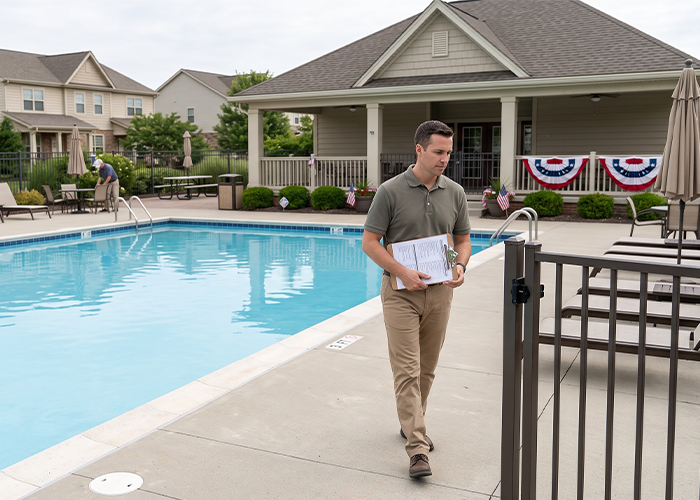
Waiting for an inspector to find obvious defects gives the board little control over the outcome. A better approach is to walk the property before renewal with the manager and qualified vendors. The team can identify repairs, gather records, and correct simple issues before they appear in an underwriting report.
A pre-inspection review should include these steps:
- Check roofs, gutters, drains, flashing, and visible signs of leaks.
- Inspect stairs, sidewalks, handrails, fences, gates, and pool areas for hazards.
- Review electrical, plumbing, fire protection, and life-safety service records.
- Trim vegetation away from buildings and remove dead or damaged trees.
- Confirm that storage rooms, mechanical spaces, and utility areas are orderly.
- Photograph completed repairs and retain invoices, permits, and warranties.
- Assign one person to respond quickly if the insurer requests more information.
Not every issue can be repaired at once. If a large project remains open, the board should be ready to show a credible plan, approved funding, a contract, and a schedule. Evidence of active management is more helpful than a vague promise that the work will be considered later.
How to Strengthen an HOA Insurance Application
Insurance applications tell the community’s risk story. When answers are incomplete, inconsistent, or late, the underwriter may assume the risk is less controlled than it really is. A clean submission gives the broker more to work with and can make the association easier to present to carriers.
Start early. For a difficult property or market, the board and broker may need several months to collect data, approach carriers, answer questions, and review options. Last-minute shopping often reduces leverage and leaves little time to correct an application problem.
Boards can strengthen the package by including:
- A current property appraisal or replacement cost estimate
- An updated statement of values with correct addresses and building details
- Five years of loss runs, along with explanations of larger claims
- Roof ages, materials, condition reports, and replacement dates
- Plumbing, electrical, HVAC, and water heater updates
- Fire alarm, sprinkler, elevator, and generator service records
- Recent engineering reports and proof that urgent findings were addressed
- A current reserve study and evidence of responsible reserve funding
- Photos of major repairs and risk improvements
- Written policies for maintenance, emergency response, and vendor controls
Accuracy is essential. A board should never hide a known condition or guess at an answer to make the application look better. Incorrect information can delay underwriting, damage trust, and create serious trouble when a claim is filed.
Keep Maintenance and Reserves Connected to Insurance

Deferred maintenance creates more than repair bills. It can make the property harder to insure because aging roofs, leaks, failing electrical equipment, cracked pavement, and weak life-safety systems increase the chance or size of a claim.
A current reserve study helps the board plan for major components before they fail. Funding the plan also shows that the association has a method for paying for expected work. Insurers may not reward every reserve contribution with an immediate discount, but sound financial planning supports a better risk profile.
Boards should connect inspection findings, reserve projects, and insurance concerns in one working schedule. That allows the association to address urgent safety items first while keeping major projects on a realistic timeline.
Review Claims Before Filing Them
Insurance exists to cover losses, and a board should not avoid a necessary claim simply to protect its history. Still, filing every small loss may cost the association more over time, especially when the amount barely exceeds the deductible.
Before reporting a nonemergency loss as a claim, the board should speak with its insurance professional and follow all policy notice requirements. The association can compare the expected repair cost, deductible, coverage terms, and possible effect on future underwriting. Legal advice may also be needed when liability, injury, property damage, or a reporting deadline is involved.
Boards should also adopt a clear internal process. Managers and directors need to know who reports incidents, who preserves photos and video, who contacts counsel, and who communicates with owners.
Build a Better Renewal Process

The renewal should be managed as a year-round responsibility, not an annual emergency. A board that reviews claims, repairs, values, and policy changes throughout the year will have better information when the broker begins marketing the account.
A practical renewal schedule may look like this:
- Six to nine months before renewal: Meet with the broker, review market concerns, and identify missing property data.
- Four to six months before renewal: Complete priority repairs, update valuations, request loss runs, and organize supporting records.
- Two to four months before renewal: Submit the application, answer underwriting questions, and evaluate inspection findings.
- Before binding coverage: Compare limits, exclusions, deductibles, valuation terms, carrier strength, and payment requirements.
- After renewal: Explain major changes to owners and update the budget, reserve plan, and emergency procedures.
This schedule can shift based on the property and the insurance market. The important point is to give the process enough time. A rushed board has fewer ways to solve a coverage gap or correct a weak submission.
Ask Better Questions Before Choosing a Policy
Premium matters, but it should not be the board’s only measure. Two proposals with similar prices may expose the association to very different costs after a loss. Directors should ask the broker to prepare a side-by-side comparison and explain the practical effect of each major difference.
Useful questions include:
- Which important coverage is broader or narrower than last year?
- What deductibles apply to water, wind, hail, flood, and named storms?
- Does the property limit reflect a current replacement cost estimate?
- Are there sublimits that could leave a large unpaid balance?
- What inspections, repairs, or protective safeguards does the carrier require?
- How are defense costs handled under liability and D&O coverage?
- Can the association afford the deductible after a major event?
- What must the board do to remain eligible at the next renewal?
The broker should explain the options, but the board makes the decision. Minutes should reflect the review and the reasons behind the final choice without disclosing privileged advice or sensitive details.
Communicate the Cost Without Creating Panic
Owners may react strongly when insurance forces a budget increase or special assessment. Silence usually makes that reaction worse. Clear communication helps residents see that the board is dealing with a market problem, not simply accepting a higher bill without review.
The board can explain what changed, which options were considered, how deductibles affect the community, and what steps are being taken to improve future renewals. It should avoid promising that a repair will guarantee lower premiums because carriers consider many factors outside the HOA’s control.
Owners also need to understand where the master policy ends and their personal coverage begins. They should be encouraged to review their own policy, including loss assessment coverage, with a qualified personal insurance agent. The association’s broker, attorney, and governing documents can help clarify the division of responsibility.
When Professional Support Makes a Difference
Insurance decisions often touch several areas at once. A knowledgeable community association broker can explain the market and coverage choices. The HOA attorney can review governing documents, state requirements, contracts, and questions about deductible responsibility.
Engineers, reserve specialists, and qualified contractors can document the condition of the property and guide repairs. A professional HOA manager can keep these parties organized, track deadlines, gather records, and help the board communicate with residents.
No single adviser should be expected to answer every question. The strongest decisions come from coordinated advice, complete facts, and a board that remains involved.
Prepare Today for a Stronger Community Tomorrow
Can an HOA survive today’s insurance crisis? Yes, but survival may require earlier planning, firmer maintenance decisions, realistic funding, and a much closer reading of every policy offered.
Boards cannot control storms, construction costs, or the wider insurance market.
They can control how well the property is maintained, how clearly its risk is documented, and how carefully coverage decisions are made.
Facing a tougher HOA insurance renewal? Check our directory to find an experienced HOA management company that can help your board prepare, stay organized, and build a stronger case for coverage.
Related Articles:
- The Immense Importance Of Natural Disaster Insurance For Your HOA
- HOA Cashflow: Why Healthy Cash Flow Is Essential for Community Associations
- HOA Annual Check-up: What to Include in Your List
Trending Now

Related Article


Sign up for Our Monthly Newsletter
Sign up below for monthly updates on all HOA Resource