

Smart Amenities Homeowners Want: A Guide for HOA Boards
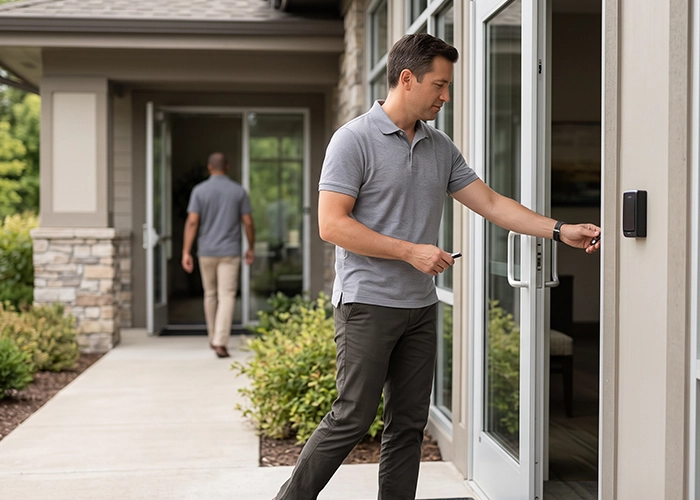
What if the technology in your community could do more than simply look impressive?
Browse By Category
Sign up for Our Newsletter

Sign up for Our Newsletter
Trending Now


What if the technology in your community could do more than simply look impressive?
What Defines Smart Amenities?
Homeowners expect more than flashy gadgets, they want easier access, better security, faster communication, and amenities that genuinely improve daily life.
A useful amenity should remove friction from daily life. Residents notice when they can enter the clubhouse without hunting for a key, collect a package after work, or reserve the pool cabana without trading emails with management.
The best systems also help the association. They reduce manual work, create clear records, warn staff about trouble, or control a recurring cost. If an upgrade only shifts work from residents to the manager, it may not be as smart as the sales pitch claims.
Boards can judge an option by asking five simple questions:
- Does it solve a problem residents already report?
- Will people use it often enough to justify the cost?
- Can residents use it without owning the newest phone?
- Who will handle support, updates, and failed devices?
- Can the association change vendors without replacing everything?
These questions keep the discussion tied to community needs. They also make it easier to compare very different products on fair terms.
Smart Locks Offer Everyday Convenience
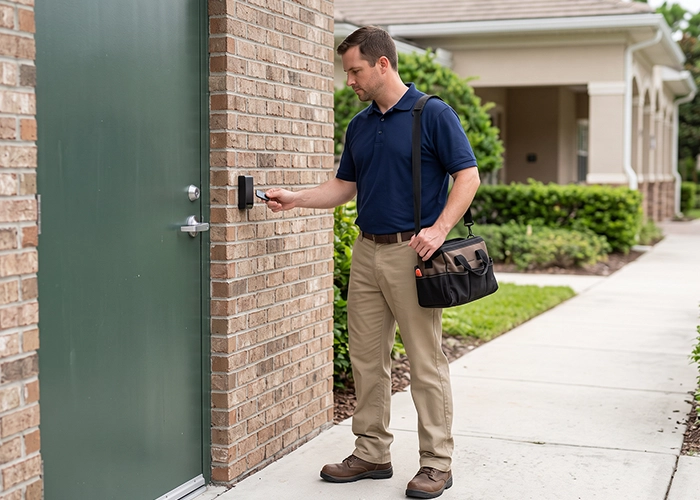
Smart locks replace or support metal keys with a code, card, mobile credential, or digital pass. They work well on clubhouses, gyms, pools, storage rooms, and other shared facilities where keys are often lost or copied.
Residents tend to value smart locks because the benefit is immediate. A board can issue temporary access to a vendor, end a credential when a resident moves, and avoid changing a lock each time a key disappears. An entry log can also help management review a complaint or find out when a room was used.
Still, convenience depends on a sound setup. The association needs a backup method for dead batteries, internet outages, and residents who do not use smartphones. Boards should also set clear rules for access logs, including who may view them and how long they will be kept.
Smart locks are usually a strong choice when:
- The community has several shared rooms or gates.
- Physical keys create regular work or security concerns.
- Management needs short-term credentials for vendors.
- The selected hardware can still open during a network failure.
Package-Management Systems Solve a Visible Problem
Package delivery has become part of normal community traffic. Piles in a lobby, missed handoffs, and stolen parcels can frustrate residents while drawing staff into a job they were never meant to perform.
Package lockers and controlled package rooms give carriers a set delivery process. Residents receive a code or notice and retrieve items on their own schedule. This can reduce office interruptions and create a record of when each parcel arrived and left.
The right design depends on the property. Lockers offer clear separation and security, but oversized items may not fit. A smart package room can hold more shapes and sizes, though it requires cameras, access rules, good shelving, and enough space to stay orderly.
Before choosing a system, the board should review:
- Average daily package volume and seasonal peaks
- Available indoor or covered space
- Oversized and refrigerated delivery needs
- Carrier access and training
- Monthly software and support fees
- The process for abandoned packages
For many condominium and townhome communities, package management ranks near the top because residents feel the value every week. In a spread-out single-family HOA with door-to-door delivery, the return may be lower.
EV Chargers Need a Long-Term Plan
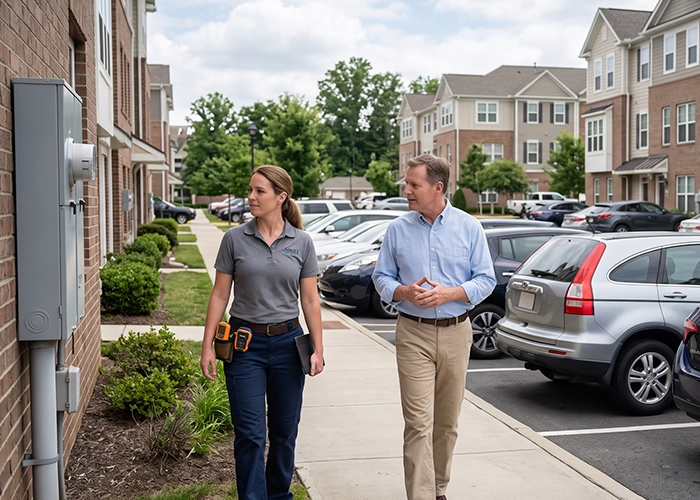
Electric vehicle charging is different from most amenities because it affects parking, power capacity, billing, and future demand. Installing one charger without a growth plan may solve today’s request but create a larger problem later.
Residents with electric vehicles place high value on charging at home. Other owners may support it as a property-value upgrade, but they may question paying for electricity they do not use. A fair system should measure use, charge the right driver, and prevent one vehicle from occupying the space all day.
Boards should begin with an electrical assessment. The association may need load management, panel work, conduit, or added utility service. Running conduit for future chargers during the first project can reduce the cost and disruption of later expansion.
A sound EV charging policy should cover:
- Who may use each station
- How electricity and service fees are billed
- Time limits and idle fees
- Rules for guest vehicles
- Maintenance and repair responsibility
- A plan for adding capacity
EV chargers can be one of the best forward-looking investments, but only when the infrastructure and rules grow together. Boards should also review state laws, local codes, insurance needs, and available incentives with qualified professionals.
Amenity-Reservation Apps
Reservation apps are not flashy, but residents appreciate knowing whether the tennis court, clubhouse, grill area, or guest suite is available. A clear calendar can prevent double bookings and reduce disputes over who arrived first.
The most useful apps let residents view open times, accept rules, pay a deposit, and receive reminders in one place. Management can set limits, block maintenance periods, and keep a record of reservations without maintaining separate spreadsheets or email chains.
Too many steps can hurt adoption. Residents should not need a different app for every feature, and the system should offer a web or staff-assisted option. The board must also decide what happens when someone reserves a space and does not show up.
This upgrade makes the most sense in communities where shared facilities are popular or disputes are common. If the clubhouse is booked only a few times per year, a costly platform may be more than the association needs.
Leak Sensors Protect More Than Convenience
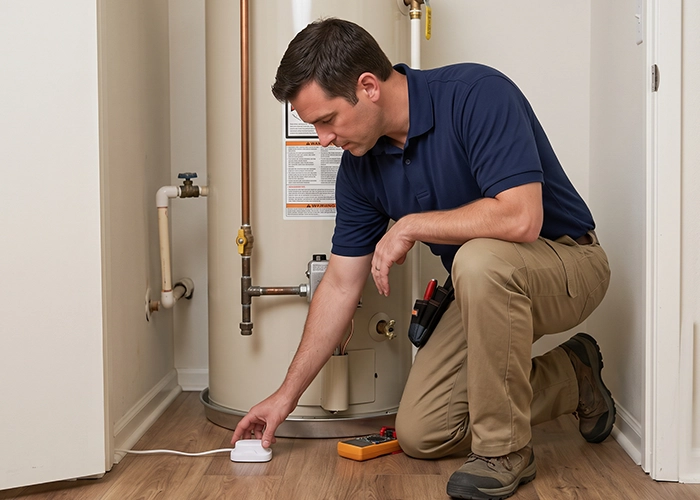
Leak sensors may be the least exciting item in a budget presentation, yet they can deliver some of the greatest financial value. A small leak near a water heater, washing machine, riser, or mechanical room can spread before anyone sees it.
Basic sensors sound an alarm or send a notice when they touch water. More advanced systems track flow or pressure and can close a valve when unusual use is detected. Fast notice gives the manager or homeowner a chance to act before water reaches more units or common areas.
Placement matters as much as the device. Common locations include water heater closets, laundry areas, under sinks, near HVAC drain pans, and around shared mechanical equipment. In attached housing, the board may consider a standard for association-owned areas and encourage owners to add compatible devices inside their units.
Boards should settle three issues before installation:
- Who receives each alert and at what hour?
- Who has authority to enter or shut off water?
- Who tests batteries, valves, and connections?
An ignored alert provides little protection. Leak detection works best as part of an emergency response plan, not as a stand-alone gadget.
Smart Lighting Improves Safety and Controls Waste
Smart lighting can adjust through schedules, daylight sensors, motion sensors, and remote controls. In an HOA, it may be useful for parking areas, walkways, mail kiosks, clubhouses, restrooms, and landscape features.
Residents mainly care that common areas feel safe and well lit. The association benefits when lights do not run at full output in empty spaces or during bright daylight. Maintenance teams may also receive alerts when a fixture fails, depending on the system.
The goal should not be to make every bulb complicated. Outdoor lighting must remain reliable, and changes should not create dark spots or disturb nearby homes. A small pilot near a clubhouse or low-traffic common area can show whether the controls save energy without causing complaints.
Useful lighting controls may include:
- Dusk-to-dawn schedules for exterior fixtures
- Motion-based lighting in low-use rooms
- Dimming during quiet overnight hours where safe
- Remote fault alerts for key common areas
- Manual controls for staff and emergencies
Smart lighting often earns support because it combines a visible benefit with measured savings. Boards should track energy use before and after installation so the community can see whether the project met its goal.
Automated Access Control Works Best at Community Scale
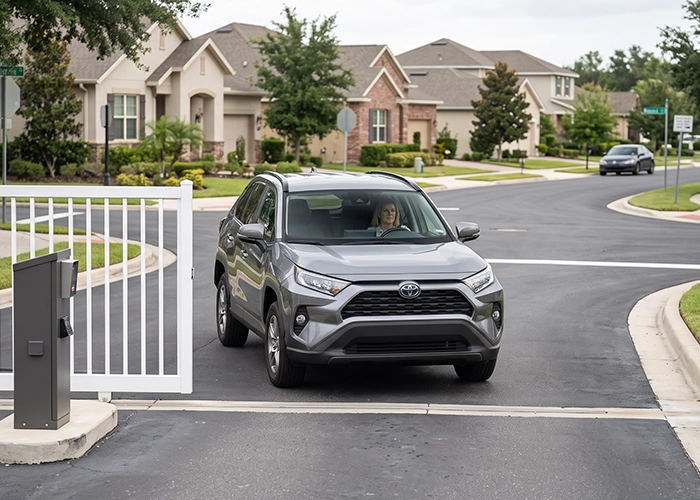
Automated access control manages entry across gates, doors, elevators, parking areas, and amenities. While a smart lock may serve one door, an access platform can manage many entry points through a shared system.
This is especially helpful in larger communities with frequent moves, guests, vendors, and service providers. Management can activate or end credentials from one dashboard. Temporary passes can expire on their own, and event records can help staff check reported access problems.
Residents want quick entry, not a long process at the gate. Systems should support more than one credential, such as a phone, card, fob, keypad code, or staffed call box. Guest access must also be simple enough for family members, deliveries, and emergency responders.
Security deserves close review. The board should ask vendors about encryption, staff permissions, data retention, software updates, outage procedures, and incident response. The contract should also explain who owns the data and how records can be exported at the end of service.
How the Seven Smart Amenities Compare
No single ranking fits every association. A high-rise condominium may place package systems and leak sensors first, while a gated single-family community may gain more from access control and lighting.
The following comparison gives boards a practical starting point:
| Amenity | Main Resident Benefit | Main HOA Benefit | Cost and Complexity | Best Fit |
| Smart locks | Easier entry | Fewer keys and better records | Low to moderate | Shared rooms and smaller facilities |
| Package systems | Secure, flexible pickup | Less staff handling | Moderate to high | Condos and dense townhome sites |
| EV chargers | At-home charging | Property appeal and future readiness | High | Communities with growing EV demand |
| Reservation apps | Clear and fair booking | Less manual scheduling | Low to moderate | Communities with busy amenities |
| Leak sensors | Faster warning | Lower damage risk | Low to high | Condos, townhomes, and common systems |
| Smart lighting | Safer, dependable lighting | Energy and maintenance control | Moderate | Nearly all community types |
| Automated access control | Faster entry and guest access | Central control and audit records | Moderate to high | Gated and multi-building communities |
For broad appeal, package systems, access tools, and reservation apps tend to offer benefits residents can see. Leak sensors and smart lighting may produce quieter value by preventing loss and controlling operating costs. EV charging has strong long-term value but requires the most careful planning.
Common Mistakes Boards Should Avoid

Technology projects can fail even when the product works. Problems often begin when boards buy a system before defining the community issue, ongoing duties, or full cost.
One common mistake is choosing a closed system that does not connect with existing management tools. Another is overlooking subscription fees, replacement parts, cellular service, staff training, and resident support. A low installation quote may not show the true five-year cost.
Boards should also avoid these traps:
- Requiring a smartphone for every basic service
- Collecting more resident data than the association needs
- Installing devices without an outage or emergency plan
- Skipping legal and insurance review
- Launching without clear resident instructions
- Buying several platforms that require separate accounts
- Failing to assign responsibility for routine maintenance
Privacy should be discussed in plain language. Residents deserve to know what data is collected, why it is needed, who can see it, and when it is deleted. The association should collect only what supports a clear business or safety purpose.
How to Choose the Right Upgrade for Your HOA
Start with resident and staff problems, not a vendor catalog. Service requests, package complaints, water incidents, access issues, amenity use, and utility bills can show where an upgrade may help.
Then use a short, open process:
- Survey residents. Ask about actual needs and barriers, not just favorite products.
- Review current operations. Count staff time, incidents, repairs, and recurring costs.
- Set a measurable goal. Examples include cutting package handling, reducing gate calls, or detecting leaks within minutes.
- Compare full costs. Include equipment, installation, software, connectivity, training, maintenance, and replacement.
- Check governing documents. Confirm board authority, owner approval needs, funding rules, parking rights, and architectural concerns.
- Run a pilot. Test the system in one location or with a small resident group when possible.
- Plan the rollout. Give residents clear dates, instructions, support options, and a backup process.
A reserve study may need to reflect long-life infrastructure, while annual budgets should account for service plans and routine replacement. Boards should work with legal counsel, insurance professionals, engineers, electricians, and other specialists when the project affects safety, utilities, parking, or owner rights.
Make Every Amenity Count
The smartest amenity is the one residents can rely on and the association can sustain.
When boards focus on useful access, secure deliveries, water protection, fair reservations, energy control, and future-ready charging, technology becomes a practical community asset.
The right upgrade starts with the right plan. Explore our directory to find experienced HOA management professionals who can help turn your community’s needs into smart, practical improvements.
Related Articles:
- E-Bikes in an HOA: Rules Every Homeowner Should Know
- Safety Measures for Your HOA Wi-Fi Connection
- HOA Service Requests: How Associations Handle Resident Concerns Efficiently
Trending Now
Related Article


Sign up for Our Monthly Newsletter
Sign up below for monthly updates on all HOA Resource