
Halloween Liability in HOA Communities: Safety, Insurance, and Risk Management Tips
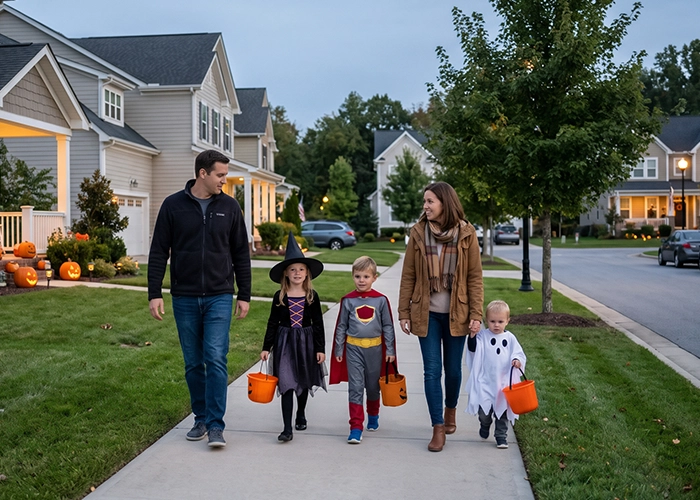
Halloween brings neighbors outdoors and gives families a welcome reason to connect. Yet Halloween liability in communities can become a serious concern when crowded walkways, dark streets, open flames, and association-sponsored events create risks that boards did not plan for.
Browse By Category
Sign up for Our Newsletter


Sign up for Our Newsletter
Trending Now

Halloween brings neighbors outdoors and gives families a welcome reason to connect. Yet Halloween liability in communities can become a serious concern when crowded walkways, dark streets, open flames, and association-sponsored events create risks that boards did not plan for.
Halloween Liability for HOAs Means
An association may face a claim when someone is hurt or property is damaged in a common area. The exact outcome will depend on state law, the governing documents, the facts of the incident, and the HOA’s insurance policy.
The board does not need to remove every trace of risk from Halloween. It should take reasonable steps to find hazards, correct what it can, warn residents about known concerns, and document its work.
Responsibility can also shift based on the activity. A child who trips on a private driveway presents a different issue from a guest who falls on a broken clubhouse step during an HOA event. Boards should know which spaces the association maintains and which spaces belong to owners.
Start With the Governing Documents
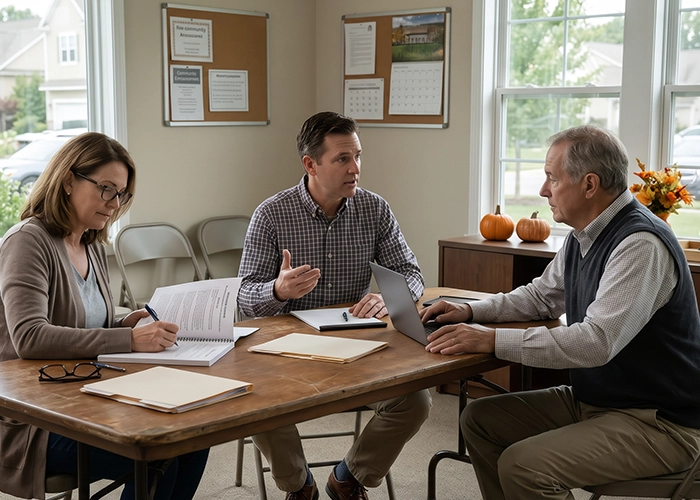
Before announcing an event or sending new rules, the board should read the declaration, bylaws, rules, and architectural standards. These documents may address common-area use, decorations, noise, parking, signs, amenity hours, and the board’s power to adopt temporary safety measures.
Rules should be clear, reasonable, and tied to a valid community concern. A board may set limits on items that block sidewalks, damage common property, create a fire risk, or produce excessive noise. It should enforce those limits in the same manner across the community.
Local laws also matter. Fire codes, occupancy limits, road restrictions, and permit rules may apply to haunted houses, food service, temporary structures, or large gatherings. When the requirements are unclear, the association’s attorney or local officials can provide guidance.
Inspect Common Areas Before Halloween Night
Many Halloween injuries start with an ordinary maintenance problem. A raised sidewalk edge, loose handrail, dark stairwell, or wet clubhouse floor becomes harder to see after sunset, especially when costumes limit a person’s view.
Schedule a walk-through during daylight and another after dark. The second visit helps the board see whether lights cover the actual route that children and guests will use.
The inspection should include:
- Sidewalks, curbs, steps, ramps, and crosswalks
- Clubhouse entrances, exits, patios, and restrooms
- Parking lots, gates, and vehicle entry points
- Playground surfaces and recreation areas
- Landscape branches, irrigation leaks, and exposed roots
- Exterior lights, emergency lights, and exit signs
- Cords, inflatables, props, and temporary displays
Correct urgent problems before the event. If a repair cannot be finished in time, close the area or place a visible barrier and warning where people can see it.
Create a Safer Trick-or-Treating Route

Halloween puts more pedestrians on neighborhood streets at dusk and after dark. Children can be difficult for drivers to see, and masks or long costumes may reduce a child’s vision and movement.
The HOA can reduce risk by sharing a recommended route with residents. Choose well-lit streets, mark safe crossing points, and keep children away from active construction, poor pavement, or areas with limited visibility.
For a planned community event, consider these traffic controls:
- Set a clear start and end time.
- Designate separate vehicle and pedestrian routes where possible.
- Ask drivers to use a low speed and avoid unnecessary trips during peak hours.
- Place trained adult volunteers at busy crossings and entrances.
- Reserve accessible parking and keep fire lanes open.
- Provide a safe pickup point for rideshare vehicles and guests.
The HOA should not imply that volunteers can direct traffic with legal authority if local law says otherwise. Police, security providers, or traffic-control vendors may be better suited for large events.
Reduce Fire and Electrical Hazards
Candles, dry decorations, extension cords, and fabric costumes can create a dangerous mix. The U.S. Consumer Product Safety Commission recommends battery-operated lights or glow sticks instead of open-flame candles in jack-o’-lanterns.
HOA displays should follow the same rule. Keep decorations away from heaters, lamps, cooking equipment, and other heat sources. Exits, fire equipment, sprinklers, and alarm devices must remain clear.
Electrical displays also need care. The association should use products rated for outdoor use, follow manufacturer directions, and avoid damaged cords or overloaded outlets. Cords should never create a trip hazard across a walkway.
For larger events, assign a board member, manager, or qualified vendor to inspect decorations before guests arrive. A quick final check can catch a moved cord, blocked exit, or unstable display that was not present during setup.
Set Reasonable Decoration Rules

Halloween decorations can add energy to a neighborhood, but some displays create safety or nuisance concerns. A useful rule explains what is allowed, where it may be placed, and when it must be removed.
Boards may wish to address:
- Decorations that extend into sidewalks, roads, or common areas
- Open flames, fog machines, strobe lights, and loud sound effects
- Items attached to roofs, trees, gates, or association property
- Displays that imitate emergency scenes or block address numbers
- Installation and removal dates
- Damage caused to landscaping or shared structures
Avoid rules based only on taste. Focus on measurable concerns such as access, noise, fire safety, property damage, and visibility. If the association requires architectural approval, tell residents how to request it and how long a decision may take.
The board should also consider residents with disabilities, sensory needs, or health conditions. Clear notices about strobe lights, fog effects, loud sounds, and uneven routes help people decide whether an area is safe for them.
Plan Association-Sponsored Events Carefully
When an HOA hosts a trunk-or-treat, costume party, movie night, or haunted house, it takes on a more active role. The board should create a written event plan that identifies who is responsible for setup, supervision, cleanup, and emergencies.
Start with the expected crowd size and the limits of the venue. Do not exceed the posted occupancy, and keep exits open from the start of setup until the last person leaves.
A basic event plan should cover:
- The date, hours, location, and weather plan
- The event leader and volunteer assignments
- Entry, exit, parking, and accessible routes
- Child supervision and lost-child procedures
- Food service and allergy notices
- Fire prevention and emergency contacts
- Cleanup and post-event inspection
Weather deserves special attention. Wet pavement, strong wind, lightning, or extreme cold can change the risk within minutes. Decide in advance who may delay, move, or cancel the event.
Manage Volunteers and Vendors
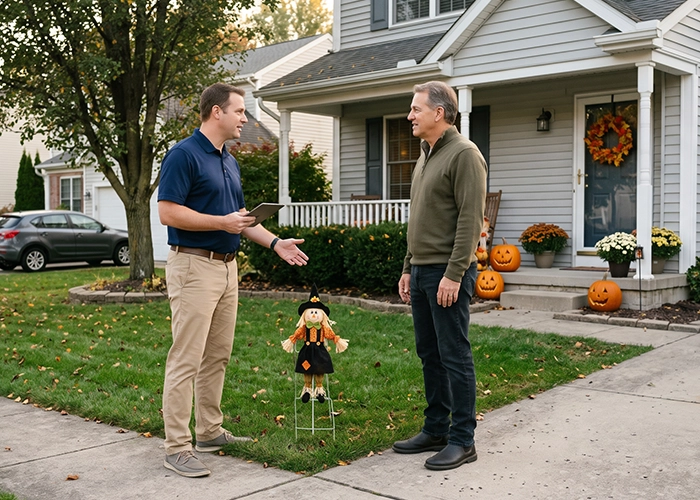
Volunteers often make community events possible, but goodwill alone does not replace training. Give each volunteer a clear task, a point of contact, and simple instructions for reporting hazards or injuries.
Avoid placing volunteers in roles that require licenses, technical skill, or security authority. A volunteer should not repair electrical equipment, control a crowd alone, or provide medical care beyond their training.
Vendors should be reviewed before signing a contract. The board may need to confirm licenses, insurance, references, equipment standards, and any required permits. Contracts should describe the work, safety duties, cleanup, cancellation terms, and responsibility for damage.
Ask the association’s insurance professional and attorney whether the vendor must provide a certificate of insurance or name the HOA as an additional insured. A certificate alone does not change every policy term, so the association should confirm what the document proves.
Review HOA Insurance Before the Event
Insurance should be reviewed before Halloween plans are final, not after a claim. The board can tell its agent or broker exactly what the association intends to host, including the location, expected attendance, vendors, food, entertainment, and any off-site activity.
Commercial general liability coverage often responds to certain bodily injury or property damage claims tied to common areas or association operations. However, deductibles, exclusions, endorsements, notice duties, and coverage limits differ from one policy to another.
The board should ask:
- Does the planned event fall within the policy’s covered activities?
- Are volunteers and committee members insured while doing event work?
- Are alcohol, inflatables, rides, haunted attractions, or hired vehicles excluded?
- Must vendors carry specific limits or coverage?
- Does the HOA need event coverage or an umbrella policy?
- What steps must the board follow after an incident?
Directors and officers coverage serves a different purpose from general liability coverage. It may address certain claims tied to board decisions, but it is not a substitute for coverage involving bodily injury or damaged property.
No board should assume that a waiver fixes a coverage gap. Waivers may help explain risks and expectations, but their effect varies by state and by the way they were written and presented. Ask association counsel before relying on one.
Address Food, Candy, and Alcohol Risks
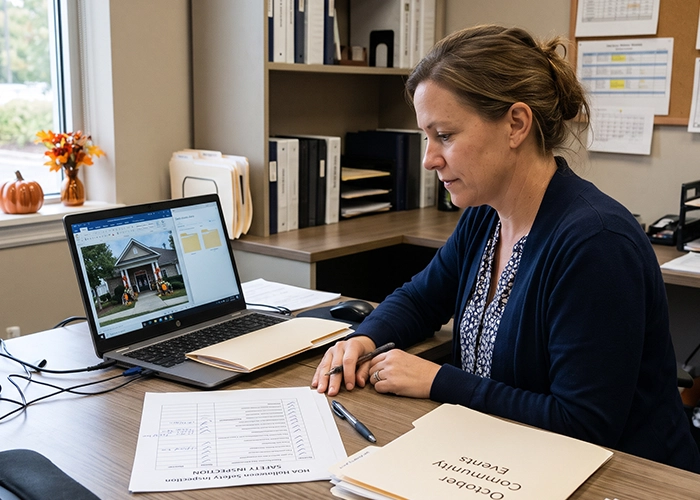
Food can turn a simple gathering into a more complex event. The board should follow local health rules and use licensed vendors when required.
Keep food preparation areas clean and separate from games, pets, and foot traffic. Label common allergens when the ingredients are known, and do not advertise any item as allergen-free unless the source and preparation support that claim.
Alcohol calls for a separate review. Local licensing laws, host liability rules, insurance exclusions, age controls, and security needs may apply. The safest choice for many family events is to leave alcohol out, but the board should consult its attorney and insurance professional if service is being considered.
For candy, ask participants to offer sealed commercial products. Parents should still inspect treats and decide what is suitable for their children. The HOA can provide nonfood options so children with allergies or dietary limits can join the fun.
Communicate Rules Without Spoiling the Holiday
Good communication can prevent both injuries and disputes. Send one short notice early enough for residents to plan, then send a brief reminder close to the event.
The message should explain:
- Event hours and locations
- Street, gate, parking, or amenity changes
- Decoration and noise rules
- Adult supervision expectations
- Emergency and management contact details
- How residents may opt in or out of trick-or-treating
Use a warm tone and explain the reason for each key rule. Residents are more likely to cooperate when they understand that the goal is to keep paths open, children visible, and emergency access clear.
Make notices accessible. Use plain language, readable type, and more than one delivery method when possible. Translated notices may also help communities where many residents use another language at home.
Enforce Rules Fairly and Consistently
Selective enforcement can turn a small holiday concern into a larger dispute. Apply the same standards to similar properties and document why action was taken.
Whenever possible, start with a courteous reminder and allow a reasonable chance to correct the problem. Immediate action may be needed when a display blocks an exit, creates an electrical hazard, or threatens people or property.
The board should follow the notice and hearing steps required by the governing documents and state law. It should not create a special fine or remove property unless it has authority to do so.
Religious and cultural concerns may arise because not every household celebrates Halloween. The association should not pressure residents to participate. Opt-out signs, event maps, or porch-light customs can help trick-or-treaters respect those choices.
Prepare for Injuries and Other Incidents
Even a careful plan cannot prevent every incident. A fast, calm response can limit harm and preserve the facts needed for insurance and legal review.
The HOA’s response plan should include:
- Call emergency services when someone may need urgent help.
- Secure the area so another person is not hurt.
- Provide only the assistance that trained responders can safely give.
- Record the time, location, conditions, and names of witnesses.
- Take factual photos if doing so does not invade privacy or delay care.
- Preserve video, inspection logs, contracts, and event notices.
- Notify the manager, board contact, and insurance professional promptly.
Do not argue about fault at the scene or promise payment. Show concern, collect accurate information, and let the association’s insurer and attorney guide the next steps.
Incident reports should remain factual. Avoid guesses, blame, or personal opinions. Store records in a secure location and limit access to people who have a valid business need.
Document the Board’s Risk Management Work
Documentation shows that the association treated safety as a real duty. Keep inspection forms, repair invoices, meeting minutes, vendor records, insurance correspondence, notices, and volunteer instructions.
The board does not need to create a mountain of paperwork. A dated checklist, several photos, and a short record of completed corrections can provide a useful history.
After Halloween, hold a brief review. Note any near misses, resident complaints, traffic trouble, property damage, or gaps in communication. Those lessons can make the next event safer and easier to manage.
A Safer Celebration Starts With Simple Planning
Halloween should feel festive, not risky or overregulated. When an HOA checks its property, reviews its coverage, sets fair rules, and prepares for emergencies, residents can focus on enjoying the night together.
A safer Halloween starts with a prepared community. Find an experienced HOA management partner in our directory and help your board make every celebration more welcoming and worry-free.
Related Articles:
- Does Your Association Need HOA Workers’ Comp Insurance?
- 7 Fun HOA Halloween Activities For The Family
- Writing Violation Notices: A Complete Guide for HOA Boards
Trending Now
Related Article
Sign up for Our Monthly Newsletter
Sign up below for monthly updates on all HOA Resource