
HOA Reserve Study Planning for Inflation, Disasters, and Aging Infrastructure
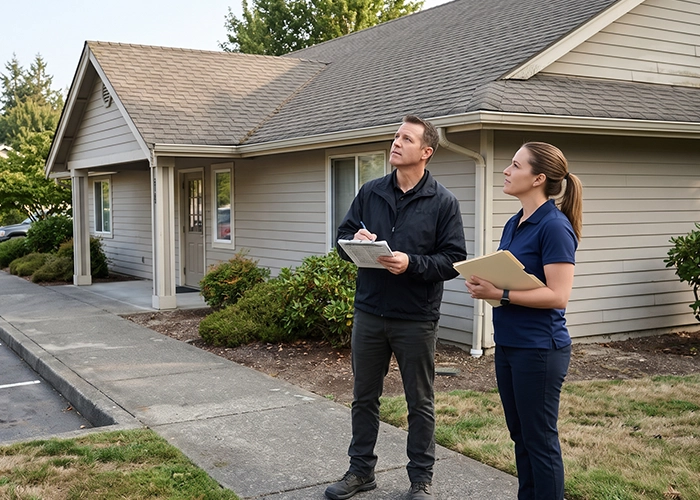
An HOA reserve study should do more than predict when the clubhouse roof or community pool will need repairs.
Browse By Category
Sign up for Our Newsletter


Sign up for Our Newsletter
Trending Now


An HOA reserve study should do more than predict when the clubhouse roof or community pool will need repairs.
Why HOA Reserve Study Needs a Modern Approach
A traditional reserve study identifies major common assets, estimates their remaining useful lives, and calculates how much the association should save for future work. That basic purpose has not changed. However, the environment in which associations operate has become less predictable.
A roof that once cost $200,000 to replace may cost far more by the time the work begins. A storm can shorten the life of siding, pavement, drainage systems, or landscaping. An insurance carrier may raise deductibles or limit coverage after repeated losses in the region.
These changes make it risky to treat a reserve study as a fixed schedule. It should be viewed as a living financial plan that responds to the property, the market, and local risks.
What a Reserve Study Should Cover
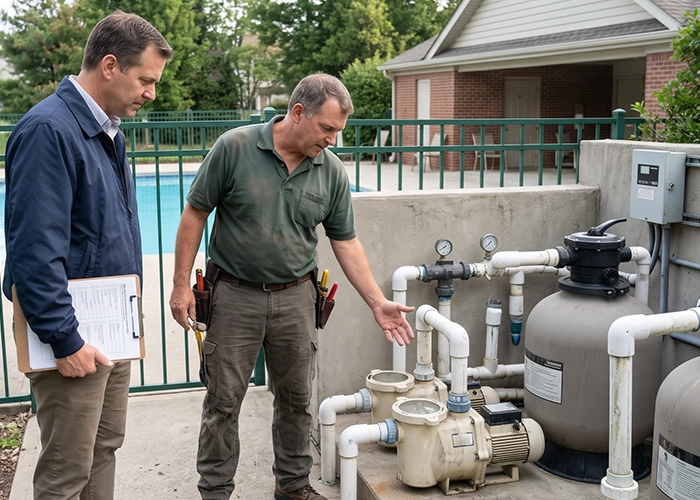
A useful reserve study combines a physical review with a financial analysis. The physical review examines the association’s major components, while the financial portion compares future project costs with current reserve funds and planned contributions.
Depending on the type of community, the study may cover:
- Roofs, siding, balconies, and exterior paint
- Private roads, sidewalks, and parking areas
- Pools, clubhouses, and fitness facilities
- Elevators, gates, and access systems
- Stormwater systems, ponds, and drainage structures
- Plumbing, electrical, and mechanical systems
- Fences, retaining walls, and entrance features
- Irrigation systems and major landscaping elements
The final report should show the estimated life of each component, its current condition, the likely replacement cost, and the year when work may be required. It should also recommend a contribution plan that gives the association a reasonable way to meet those costs.
Inflation Can Outdate Cost Estimates Quickly
Construction costs rarely remain still. The price of labor, roofing materials, concrete, fuel, equipment, and permits can change between the date of the study and the start of a project. Supply shortages or regional rebuilding after a disaster can push costs even higher.
The U.S. Bureau of Labor Statistics tracks price changes for construction, materials, and related services through its Producer Price Indexes. These figures show why boards should not assume that a project will cost the same several years from now. Even modest annual increases can create a large gap over a 10- or 20-year period.
For example, a project estimated at $500,000 today would cost about $672,000 after 10 years if prices rose by 3% each year. At 5% annual growth, the same project would cost more than $814,000. If the reserve plan uses a low inflation rate, homeowners may eventually face a special assessment to cover the difference.
Use More Than One Inflation Assumption
No one can predict future prices with perfect accuracy. Still, the board can ask the reserve professional to test several reasonable assumptions.
A financial model might show what happens under:
- A stable-cost scenario with modest annual inflation
- A higher-cost scenario based on recent construction trends
- A stressed scenario involving shortages or post-disaster demand
This does not mean that the association must save for the most expensive possible outcome. It gives the board a clearer view of its exposure and more time to adjust assessments if costs begin rising faster than expected.
Local Construction Conditions Matter
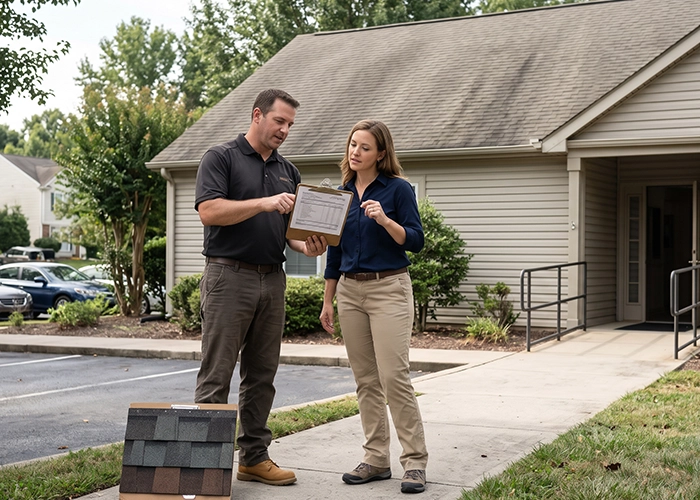
National inflation data provides useful context, but reserve estimates should also reflect local conditions. Labor rates, contractor availability, permit fees, building codes, and material delivery costs can vary widely between regions.
Communities in coastal or remote areas may pay more for specialized materials. Associations in fast-growing cities may compete with commercial developers for contractors. Areas recovering from hurricanes, wildfires, or floods may see sharp increases in demand for roofing, debris removal, and structural repairs.
Boards should request current local estimates for expensive projects instead of relying only on general cost databases. When a major project is approaching, getting preliminary input from contractors, engineers, or architects can make the reserve forecast more reliable.
Severe Weather Can Shorten Useful Life
Reserve studies often estimate the useful life of an asset under normal conditions. Yet, normal conditions may not describe what the community has experienced.
Repeated heavy rain can damage pavement and overwhelm drainage systems. High winds can loosen roofing materials and exterior fixtures. Extreme heat can wear down sealants, mechanical equipment, and pool systems. Freeze-and-thaw cycles can crack concrete and weaken paved surfaces.
NOAA also notes that existing infrastructure may not be able to withstand events involving heavy rain, flooding, wind, snow, or major temperature changes. For an association, these risks can turn a 20-year replacement schedule into a much shorter one.
Match the Study to Local Hazards
A reserve professional should understand the hazards that affect the community’s location. Those risks may include hurricanes, tornadoes, wildfires, hail, flooding, earthquakes, or winter storms.
The board can support the process by providing:
- Past insurance claims and damage reports
- Flood maps and local hazard information
- Engineering and drainage reports
- Records of recurring leaks or water intrusion
- Roof inspections and repair histories
- Local emergency management guidance
- Details about prior storm cleanup costs
This information helps the reserve specialist see patterns that may not be clear during a single site visit. It can also reveal which assets need more frequent inspection or earlier replacement.
Insurance Should Inform Reserve Planning

Insurance and reserve funds serve different purposes. Insurance generally addresses covered losses caused by specific events, while reserves pay for predictable repair and replacement needs. The two areas still affect each other.
Insurance premiums and deductibles have increased in many communities. Some policies now carry separate deductibles for hurricanes, wind, hail, earthquakes, or named storms. Coverage restrictions may also leave the association responsible for costs it did not expect.
A reserve study should not assume that insurance will solve every disaster-related problem. The board should review the association’s policies with a qualified insurance professional and understand what the association would need to pay after a major loss.
Ask the Right Insurance Questions
At least once a year, the board should confirm:
- Which buildings and common elements are covered
- Whether replacement-cost estimates are current
- How each deductible is calculated
- Whether any exclusions have been added
- Which upgrades required by current codes are covered
- Whether flood, wind, earthquake, or equipment coverage is separate
- How much cash the association may need before claims are paid
This review may reveal that the community needs a stronger operating contingency, a deductible funding strategy, or a revised reserve plan. The association’s attorney, insurance agent, accountant, and reserve professional can help determine how these needs should be handled under state law and the governing documents.
Actual Condition Matters More Than Age Alone
Two assets installed in the same year may not age at the same rate. One roof may remain in good condition because it receives regular inspections and repairs. Another may deteriorate early due to poor drainage, storm damage, defective materials, or delayed maintenance.
For this reason, a study based mainly on installation dates can miss serious problems. The physical inspection should consider visible wear, maintenance history, environmental exposure, repair frequency, and prior professional findings.
Boards should also avoid hiding concerns from the reserve specialist. A recurring leak or cracking wall may seem minor, but it can point to a larger issue that affects the funding schedule.
Know When a Specialist Is Needed
A reserve specialist can identify components and estimate future funding needs, but a reserve study is not always a structural or engineering investigation. Some conditions require additional expertise.
An association may need an engineer, architect, roofing consultant, or other qualified professional when there are signs of:
- Structural movement or unusual cracking
- Persistent water intrusion
- Balcony or facade deterioration
- Foundation concerns
- Drainage failures
- Corrosion or concrete damage
- Repeated mechanical breakdowns
- Safety issues involving stairs, railings, or elevated surfaces
The findings from those inspections should then be added to the reserve study. This keeps the financial plan aligned with the property’s actual needs.
Aging Infrastructure Creates Connected Risks
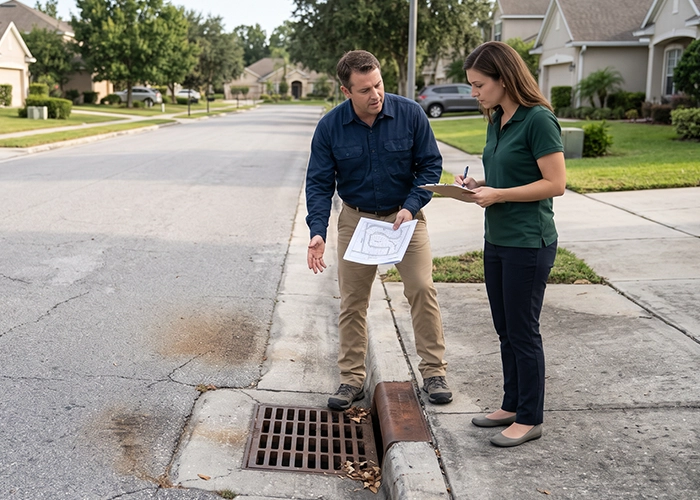
Older communities often face more than one major project at a time. Roofs, pipes, pavement, elevators, and electrical systems may reach the end of their useful lives within the same period. When these assets depend on each other, replacing one can expose problems in another.
For example, resurfacing a private road before repairing underground drainage may result in the new pavement being torn up. Replacing a roof without correcting drainage or ventilation issues may shorten the life of the new system. A careful plan should account for these connections.
Older systems may also need upgrades rather than direct replacements. New building codes, energy standards, safety rules, and accessibility requirements can add to the project scope. The reserve estimate should reflect the likely cost of completing the work under current standards.
Preventive Maintenance Protects the Reserve Plan
Preventive maintenance can extend the useful life of community assets and reduce the chance of sudden failure. Current Community Associations Institute reserve study standards recognize the role of preventive maintenance and structural inspections in long-term planning.
Simple work can make a meaningful difference. Roof inspections can catch damaged flashing before water reaches the building. Drain cleaning can reduce flooding. Pavement sealing can slow surface damage. Regular servicing can extend the life of pumps, elevators, gates, and heating or cooling equipment.
The board should compare the maintenance schedule with the reserve study. If the study assumes a component will last 20 years, the operating budget must support the maintenance needed to achieve that life.
How Often Should the Study Be Updated?

State laws and governing documents may set specific reserve study requirements. Even when no law applies, waiting too long between updates can leave the board working with outdated costs and asset conditions.
Many associations arrange a full site inspection every few years and review the financial assumptions each year. An earlier update may be needed after a disaster, major insurance change, large repair, or unexpected component failure.
The board should consider an update when:
- Construction bids differ sharply from the study
- A major storm damages common property
- Insurance deductibles or exclusions change
- An inspection finds hidden deterioration
- A project is completed earlier or later than planned
- The association adds or removes common assets
- Reserve investments perform differently than expected
- State laws or lender requirements change
An annual review does not always require a completely new study. It does require the board to compare the plan with current facts and document any changes.
Turning the Study Into an Annual Funding Plan
A strong reserve study has little value if the board does not use it. The recommended contribution should be reviewed during each budget cycle and compared with the association’s actual reserve balance.
The board should also separate operating expenses from reserve expenses. Routine landscaping, utilities, and minor repairs usually belong in the operating budget. Major replacement projects are generally funded through reserves, subject to state law and the association’s governing documents.
When the recommended contribution appears difficult, the board can review several options:
- Raise regular assessments in manageable steps
- Adjust the timing of noncritical projects
- Improve collection practices
- Review contracts and operating costs
- Consider a special assessment for urgent work
- Explore association financing when appropriate
- Phase a large project if professionals confirm it is safe
Reducing contributions without changing the project schedule does not remove the future cost. It simply passes a larger burden to homeowners later.
Keep Reserve Funds Safe and Available
Reserve funds should be managed with safety and timing in mind. The association may want to earn interest, but it must also have access to money when projects become due.
Boards can match account maturities with the reserve schedule. Funds needed soon may be kept in liquid accounts, while money for later projects may be placed in certificates of deposit or other permitted products with staggered maturity dates.
First Citizens Bank recommends that associations consider liquidity, account protection, and expected project timing when managing reserve funds. Before selecting any product, the board should review applicable laws, its investment policy, deposit insurance limits, and the advice of qualified financial professionals.
Explain Reserve Needs to Homeowners
Homeowners may resist higher assessments when they cannot see an immediate benefit. Clear communication can help them understand that reserve funding pays for assets they use today and protects the community from larger financial shocks later.
The board can share a short summary of upcoming projects, current funding levels, and the reasons behind proposed increases. It should explain how inflation, insurance changes, and recent inspections affected the recommendation.
Owners do not need every technical calculation at a meeting. They do need a plain explanation of what the community owns, what condition it is in, how much future work may cost, and how the board plans to pay for it.
Questions Boards Should Ask Before Accepting the Study
Before approving a final report, board members should ask:
- Were all association-maintained assets included?
- Were the assets physically inspected?
- Are replacement costs based on current local conditions?
- What inflation and interest assumptions were used?
- Were preventive maintenance needs considered?
- Does the report reflect recent storms or insurance claims?
- Were engineering findings included?
- Are large insurance deductibles addressed elsewhere in the financial plan?
- Does the funding recommendation comply with state law?
- What events should trigger an early update?
These questions help the board determine whether the report reflects the real community or relies too heavily on general assumptions.
Plan Today for the Projects Ahead
A modern reserve study connects financial planning with maintenance, insurance, weather risk, and the actual condition of community assets.
When boards keep the study current and follow a realistic funding plan, they reduce the chance of deferred work, emergency borrowing, and sudden special assessments. More importantly, they give the community a practical plan for protecting its property and financial stability.
Give your community a stronger financial future. Explore our directory to find an HOA management company that can help your board plan ahead with confidence.
Related Articles:
- HOA Emergency Repairs: What Every Board Should Know
- HOA Insurance Crisis? What Every Board Needs to Know
- Investing HOA Reserve Funds The Right Way
Trending Now

Related Article



Sign up for Our Monthly Newsletter
Sign up below for monthly updates on all HOA Resource