
How New Condo Lending Rules Could Increase HOA Dues

New condo lending rules could soon change how many condominium associations build their annual budgets.
Browse By Category
Sign up for Our Newsletter


Sign up for Our Newsletter
Trending Now


New condo lending rules could soon change how many condominium associations build their annual budgets.
How It Reshape Reserve Funding
As lenders take a closer look at reserve funding, boards may need to raise dues, update reserve plans, and provide better records so buyers can qualify for conventional loans.
Fannie Mae announced that, under its Full Review process, the minimum reserve allocation will rise from 10% to 15% of annual budgeted assessment income. Lenders must apply the new minimum to loan applications dated on or after January 4, 2027.
In simple terms, a larger share of the association’s planned assessment income must be directed toward reserves. These funds are meant for capital work and deferred maintenance, such as roof replacement, concrete repair, elevator work, paving, and major mechanical systems.
Why Mortgage Lenders Care About HOA Reserves

A lender evaluating a condo purchase looks beyond the borrower’s credit, income, and down payment. It also reviews the financial and physical condition of the condominium project. That is because every unit owner shares responsibility for common property.
If a building has weak reserves, one major failure can lead to a large special assessment. Owners who cannot pay may fall behind, repairs may be delayed, and unit values may suffer. These risks can affect the property that secures the mortgage.
Fannie Mae explains that condo project standards are meant to address poor financial health, unresolved critical repairs, and inadequate insurance. If a project does not meet the applicable requirements, a loan on a unit in that project may not be eligible for sale to Fannie Mae until the problem has been resolved.
Why HOA Dues May Increase
Most associations receive nearly all their income through regular owner assessments. When the required reserve allocation rises, the board must find room in a budget that may already be strained by insurance, utilities, labor, landscaping, security, and vendor costs.
Assume a condominium collects $600,000 a year in regular assessments. A 10% allocation would place $60,000 into reserves, while a 15% allocation would place $90,000 into reserves. The association would need to find another $30,000 each year.
If no operating expenses can be reduced, that gap must usually come from owners. In a 100-unit community, an even allocation would equal $300 per unit per year, or $25 per month. Actual increases will vary because many associations divide assessments by ownership share, unit size, or another formula in the governing documents.
How Boards May Adjust Their Budgets

Condo boards should not treat higher dues as the only possible response. The better approach is to examine the full budget, confirm the project’s needs, and then choose a funding plan that is both lawful and realistic.
Common budget responses may include:
- Increasing regular assessments. A measured dues increase can spread reserve contributions across the year and make costs easier for owners to plan around.
- Reducing nonessential spending. The board may delay cosmetic projects, renegotiate service contracts, or remove expenses that no longer provide enough value.
- Using a current reserve study. A sound study may give lenders a clearer view of the association’s repair schedule and funding needs. It can also reveal that the community needs to save more than the minimum percentage.
- Adopting a phased funding plan. When state law and the governing documents permit it, a board may increase contributions over several budget years instead of making one sharp adjustment.
- Considering a special assessment. A special assessment may help pay for a specific project or correct a serious shortfall, but it may not replace the recurring reserve allocation required in a lender review.
Each option has a different effect on owners and the association. Before approving a plan, boards should consult their manager, reserve professional, accountant, and association attorney as needed.
Why Special Assessments May Not Solve the Problem
Some boards prefer a special assessment because it avoids a visible increase in monthly dues. That choice may work for a defined repair, but it is not a complete answer to an ongoing reserve funding requirement.
Fannie Mae’s published project guidance has stated that special assessments cannot be used in place of the required budget reserve allocation during a Full Review. Freddie Mac also states that special assessments do not replace the required reserve contribution under the review types covered by its guidance.
Special assessments can also make ownership less predictable. An owner may be able to handle an extra $25 each month but struggle with a demand for several thousand dollars at once. A pending assessment can further complicate a sale when buyers and lenders ask who will pay it and whether the related work is complete.
The Role of a Condo Reserve Study
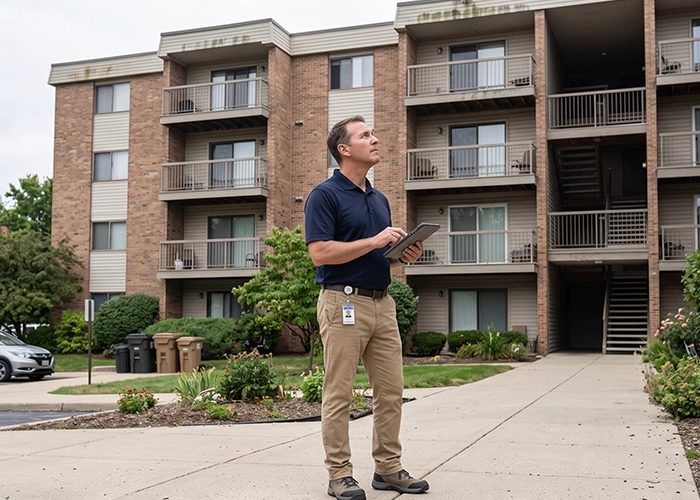
A reserve study reviews the association’s major common components, their expected useful lives, and the likely cost of future repair or replacement. It then recommends a funding plan based on the community’s current reserve balance and expected expenses.
Under Fannie Mae’s enhanced rules, when a reserve study is used to show adequate funding, the budget must include the study’s highest recommended reserve allocation. The baseline method, which lets the reserve balance approach zero without dropping below it, will no longer qualify for this purpose.
This point matters because 15% is not a universal measure of reserve health. A newer, simple property may need less capital work than an older high-rise with elevators, balconies, a parking structure, and aging pipes. Boards should rely on property-specific data instead of treating the lender minimum as the final funding goal.
How the Rules May Affect Condo Buyers
A buyer may have strong credit and enough cash to close, yet still face a loan problem because of the condo association. During underwriting, the lender may request the budget, financial statements, insurance records, questionnaires, inspection reports, details about special assessments, and information about deferred maintenance.
If the project does not meet Fannie Mae’s standards, the lender may be unable to deliver the loan to Fannie Mae. That can narrow the buyer’s financing choices. Another lender may reach the same result if it plans to sell the mortgage through the same channel.
The buyer might need to consider a portfolio loan, a larger down payment, or another financing product. Such options may carry different rates, fees, or approval terms, and they may not be available to every applicant.
How the Rules May Affect Current Owners

The effects do not stop with new buyers. Current owners may see higher regular assessments as the board moves more money into reserves. Those planning to refinance may also face a project review, depending on the loan and review path.
Owners who want to sell could encounter a smaller buyer pool if the project has unresolved eligibility concerns. A financing delay can extend the closing period, trigger more document requests, or cause a buyer to withdraw if an affordable alternative loan cannot be found.
There is a positive side. Better-funded reserves can reduce the risk of sudden, large bills and help the association complete needed work on time. A stable budget and clear maintenance plan can also make the community easier for buyers and lenders to evaluate.
What Makes a Condo Project Harder to Finance
Reserve funding is only one part of condo project eligibility. Lenders may also review the condition of the property, insurance coverage, litigation, ownership structure, delinquency levels, commercial space, and other project details.
Common warning signs include:
- Major repairs that remain unfunded or incomplete
- Significant deferred maintenance affecting safety or habitability
- Missing or inadequate master insurance coverage
- A budget that does not make the required reserve contribution
- Large special assessments with unclear funding or repair plans
- Inspection reports that identify serious unresolved conditions
- Records that are incomplete, inconsistent, or slow to arrive
Freddie Mac states that if a lender cannot obtain required inspection information or enough details to make an eligibility decision, the mortgage may not qualify for delivery. Good records therefore matter almost as much as good planning.
Steps Condo Boards Should Take Now

Boards do not need to wait for a sale to uncover a reserve or document problem. Early review gives the association more time to correct its budget, explain changes to owners, and prepare a complete response for lender questionnaires.
Boards can begin with these steps:
- Review the current reserve allocation. Calculate the percentage of annual budgeted assessment income assigned to capital expenditures and deferred maintenance.
- Update the reserve study. Make sure component costs, useful-life estimates, and funding recommendations reflect current prices and property conditions.
- Compare the budget with the study. Confirm that planned contributions match the appropriate funding recommendation, especially if the study may be used during project review.
- Identify deferred maintenance. Create a clear list of open repairs, expected costs, funding sources, approval dates, and completion schedules.
- Review inspection reports. Keep full copies of structural and mechanical reports and track how every material finding has been addressed.
- Check the governing documents and state law. Confirm the procedures for budgets, assessment increases, reserve use, owner notices, and votes.
- Prepare lender records. Organize budgets, financial statements, insurance documents, meeting minutes, contracts, and assessment details before they are requested.
- Communicate with owners. Explain what is changing, why the adjustment is needed, and how stronger reserves support both maintenance and market access.
A management company can help coordinate these tasks, but the board remains responsible for its decisions. Legal and financial professionals should review issues that fall within their fields.
How to Explain a Dues Increase to Owners
Owners may resist an increase if they see only the new monthly figure. A clear notice should connect the amount to the association’s actual needs and explain how the budget supports future repairs and condo financing.
The board should show the prior reserve contribution, the proposed contribution, and the dollar impact per unit. It should also identify the projects covered by the reserve plan. Specific facts are easier to understand than a general statement that costs have increased.
It is also wise to explain what the increase does not guarantee. Meeting a reserve allocation threshold does not automatically approve every loan or cure unrelated problems, such as critical repairs or insufficient insurance. It simply strengthens one important part of the project’s financial profile.
Why Waiting Can Cost Owners More
Delaying a needed increase may feel like relief, especially when household budgets are tight. Yet construction costs can rise while an aging roof, plumbing system, or garage continues to decline. The eventual repair may cost more, and the association will have less time to collect the money.
Late action can also place owners in a difficult spot during a sale. If a lender finds a weak budget or an unresolved repair after the contract is signed, the parties may have only a few weeks to seek documents, correct errors, or find another loan. An association cannot rebuild its reserves overnight.
Steady contributions are often easier to manage than a sudden financial demand. They also spread the cost of shared assets among the owners who use them over time, rather than leaving a small group to pay a large bill in one year.
Questions Buyers Should Ask Before Making an Offer
Buyers can reduce surprises by reviewing the association early and involving their lender before key contract deadlines pass. They should not assume that a preapproval for personal finances means the condo project will qualify.
Useful questions include:
- How much of the annual assessment income goes to reserves?
- When was the last reserve study completed or updated?
- Is the association following the recommended funding plan?
- Are any special assessments pending, approved, or expected?
- Are there open structural, mechanical, or safety repairs?
- Has a recent sale faced a condo project eligibility issue?
- Can the association provide requested records promptly?
Buyers should discuss the answers with their lender, real estate professional, and attorney. Condo laws and contract rights differ by state, so local guidance is important.
Invest More Today, Protect More Tomorrow
No owner welcomes a higher bill, but keeping dues artificially low can shift today’s costs into tomorrow’s crisis.
When boards fund reserves with care, complete repairs on time, and maintain clear records, they support a safer property and a healthier resale market.
Ready to strengthen your association’s financial future? Explore HOAManagement (.com) directory to get started.
Related Articles:
- An HOA Accounting Guide For HOA Board Members
- HOA Reserve Study Requirements By State
- HOA vs City Maintenance And Repair Responsibilities
Trending Now

Related Article



Sign up for Our Monthly Newsletter
Sign up below for monthly updates on all HOA Resource