
HOA Events Committee: Roles in the Community
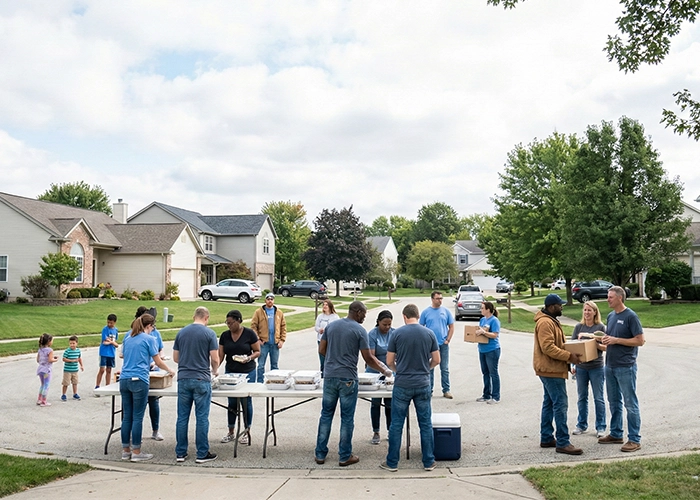
A strong HOA events committee turns “nice idea” into a real gathering that neighbors actually enjoy. The work looks simple from the outside, yet the details add up fast. For many communities, the HOA Events Committee becomes the easiest way to build trust without forcing it.
Browse By Category
Sign up for Our Newsletter
Sign up for Our Newsletter
Trending Now

A strong HOA events committee turns “nice idea” into a real gathering that neighbors actually enjoy. The work looks simple from the outside, yet the details add up fast. For many communities, the HOA Events Committee becomes the easiest way to build trust without forcing it.
HOA Events Committee Basics
An HOA events committee is a volunteer group that plans community activities and brings recommendations to the board. In most associations, the committee advises and organizes, while the board keeps approval authority for spending, rules, and contracts. That separation protects the community and keeps expectations clear.
Different communities structure the HOA events committee in different ways. Some boards keep it standing year-round, while others form a short-term team for a single holiday or a one-time project. Local bylaws and state requirements can shape that decision, so governing documents deserve a first look.
A practical scope helps the committee stay useful. Events tied to common areas, resident welcome efforts, and seasonal traditions often fit well. Private parties and anything that looks like a commercial venture usually need tighter limits, if they are allowed at all.
Why Neighbors Show Up
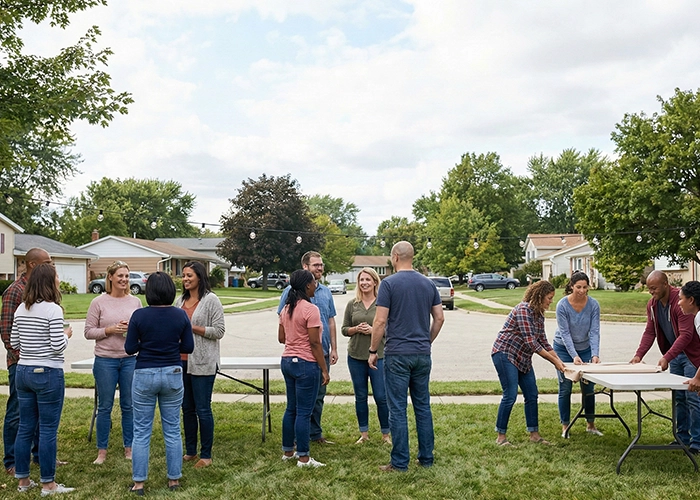
Community events work best when the purpose feels obvious. A simple goal like “meet new neighbors” can matter more than a long list of activities. Even a small turnout can have ripple effects, especially in communities with frequent rule questions or recurring complaints.
A social calendar can reduce the “us versus them” feeling that sometimes follows HOA decisions. Friendly faces make hard conversations easier later, including violation notices, parking reminders, or budget discussions. That kind of goodwill cannot be forced, yet it can be earned in small moments.
Better engagement often shows up in everyday ways. More volunteers step forward, committees fill seats faster, and surveys get more responses. A well-run event also gives residents a low-pressure way to share what they want from the community.
Charter and Authority
A written charter keeps the HOA events committee from drifting into board territory. Clear boundaries help volunteers feel confident, and the board stays comfortable delegating work. Many boards adopt charters through a simple motion, then update them as the community grows.
A solid charter answers the questions residents ask most. Authority, spending limits, meeting cadence, and reporting expectations should be spelled out. Conflict-of-interest expectations also belong here, especially when vendors include friends or neighbors.
A short checklist can help the charter stay practical:
- Purpose of the committee and the types of events it may plan
- Who appoints members, plus term length and removal process
- Spending limits, approval steps, and reimbursement rules
- Vendor rules, insurance requirements, and contract routing
- Communication expectations, including notice timelines and sign-up methods
Recruiting the Right Mix

A good committee needs more than “people who like parties.” A mix of planners, calm communicators, and detail-minded neighbors usually works better than a single energetic leader with no backup. Representation matters too, including renters if your documents allow them to serve.
A simple application helps, even for a casual committee. A few questions about availability, comfort with budgeting, and interest areas can prevent burnout later. That process also gives the board a fair way to fill seats when many residents volunteer at once.
Early onboarding saves time. New members should receive the charter, recent minutes, a budget snapshot, and the community calendar. A brief orientation with management or a board liaison helps new volunteers understand how decisions flow.
Roles on the Committee
Committee work goes smoother when roles are named, even if the group stays informal. A chair keeps meetings on track, creates agendas, and makes sure items reach the board on time. A vice-chair or co-chair covers absences and often handles vendor follow-up.
Basic recordkeeping helps everyone. A secretary or note-taker captures decisions, action items, and deadlines in a shared format. In some communities, HOA events officers handle sign-ups, resident questions, and day-of coordination while the chair focuses on oversight.
Budget responsibility needs a clear home. A treasurer role, or a budget lead, can track estimates, receipts, and reimbursements while sticking to board policies. Financial clarity protects the committee and builds trust with the wider membership.
Annual Calendar Planning
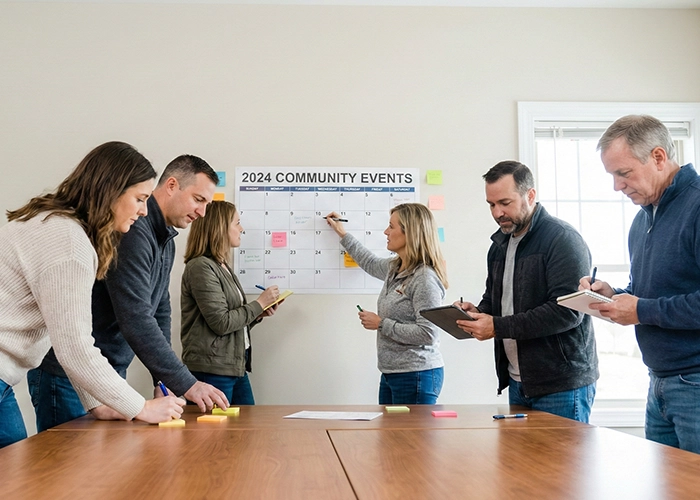
A year-round plan prevents last-minute scrambling. A simple calendar lets the board forecast costs, reserve spaces, and avoid conflicts with elections or major maintenance projects. Seasonal rhythm also helps residents plan ahead, which usually improves turnout.
Community traditions can stay, but fresh ideas keep interest alive. A mix of low-cost events and one or two bigger gatherings often fits most budgets. Options can include welcome coffees, volunteer clean-ups, movie nights, and family-friendly craft days.
A planning cycle keeps things predictable. Many committees pick dates early, confirm spaces, then lock vendors closer to the event. A shared timeline with key deadlines can reduce confusion and keep tasks from landing on one person.
Budget and Spending Rules
Money causes problems when rules are fuzzy. A clear budget process protects both the committee and the board, especially in communities that have tight reserve obligations or recent assessment increases. Transparency also makes it easier to explain why one event gets funding while another does not.
A simple budget template usually covers the basics. Line items for food, rentals, permits, supplies, security, and marketing belong in one place. Vendor deposits should be flagged early, since those payments often have firm deadlines.
Spending approvals should match the charter. Many boards set a small spending cap for the committee, then require board approval beyond that limit. Reimbursement rules matter too, including receipt requirements, cut-off dates, and preferred payment methods.
Vendors and Paperwork

Vendor selection affects both cost and risk. A consistent process for quotes keeps choices fair and helps the board defend decisions if a resident complains. Contract routing should stay consistent as well, especially in associations that require legal review.
Insurance paperwork deserves attention. Certificates of insurance, additional insured wording, and basic liability limits often apply, even for a simple food truck or a bounce house company. A quick vendor checklist can prevent surprises after an incident.
Volunteer professionalism matters in vendor conversations. Polite, clear emails reduce confusion and keep the committee from accidentally promising something the board did not approve. A single point of contact per vendor also helps.
Site Setup and Logistics
Physical setup can make or break a good idea. Parking plans, signage, and clear check-in points reduce friction and keep neighbors from wandering into restricted areas. Accessibility needs attention too, including ramps, seating, and shade.
Common-area rules still apply during events. Pool access, clubhouse capacity, quiet hours, and pet rules should be accounted for in the plan. A brief reminder message can prevent complaints without sounding harsh.
Weather plans should be realistic. Indoor backup spaces, rain dates, and clear refund policies for paid activities protect the budget. A decision deadline, such as 24 hours before the event, keeps communication clean.
Safety and Risk Checks
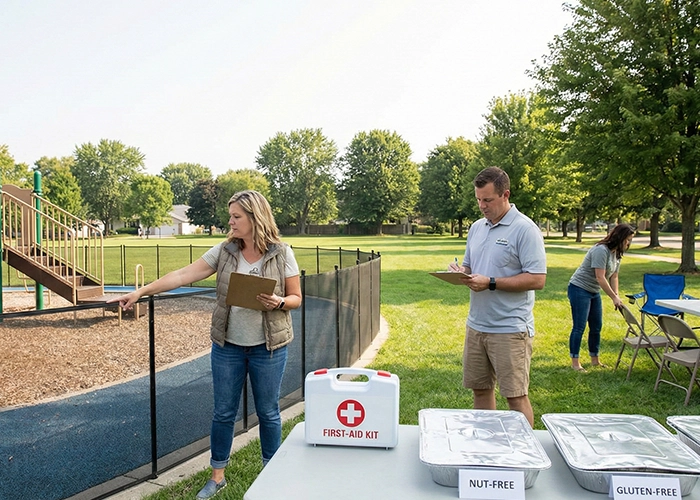
Risk planning can stay practical and still be serious. Small steps like first-aid access, clear walkways, and staff-to-attendee ratios can prevent common injuries. For bigger events, local permits and security support can become part of the standard plan.
Alcohol deserves extra care. Community rules, local law, and insurance coverage all come into play, even when alcohol is free. A licensed vendor, wristbands, and controlled service help lower exposure and keep the event family-friendly.
A quick risk checklist can help the committee stay consistent:
- Walkthrough for tripping hazards, lighting, and crowd flow
- Water safety plan for pools or splash areas
- Child supervision expectations and bounce-house rules
- Food handling plan, including allergy signage if needed
- Incident log process and who contacts emergency services
- Insurance and permit check before final promotion
Keeping the Peace
Good events still need boundaries. Quiet hours, parking limits, and guest policies should be reflected in the plan so residents feel respected in their own homes. Clear rules also reduce “selective enforcement” complaints later.
A fair approach helps with neighbor differences. Some residents love loud music, while others prefer calmer spaces, so variety matters across the year. An earlier end time or a separate kids area can keep the community comfortable.
Complaint handling should be calm and consistent. A point person for issues during the event prevents a crowd around the board liaison. A short follow-up note to residents can also defuse tension after a noisy night.
Marketing the Event
Clear communication beats clever marketing. Details like time, location, cost, and parking need to appear in every announcement. A short message with a simple sign-up path usually gets better results than a long, glossy description.
Different channels reach different residents. Email works well for many homeowners, while signage helps residents who do not read every message. A reminder close to the event matters too, since calendars fill up quickly.
A tone that respects adults matters. Residents do not need to be “sold” on an event, yet they do need basic information and a reason to care. A quick line like “meet your neighbors” or “welcome new residents” often does the job.
Day-of Operations
A short run-of-show keeps stress down. A timeline for set-up, vendor arrival, check-in, and clean-up helps volunteers stay focused. Even a simple event benefits from assigned roles, since confusion tends to peak right before guests arrive.
A calm check-in point sets the mood. Name tags, a welcome table, or a quick map can help new residents feel included. A simple way to track attendance also helps the committee measure success.
Clean-up deserves planning too. Trash bags, labeled bins, and a final walkthrough prevent damage to common areas. A quick debrief right after the event captures lessons while the details are still fresh.
After-Event Wrap-Up
Follow-through keeps the committee credible. A short report to the board can include attendance, final costs, issues that came up, and suggestions for next time. That record also helps future volunteers avoid repeating mistakes.
Resident feedback can stay simple. A two-question survey or a short comment box can surface useful ideas without creating a complaint forum. Patterns matter more than single comments, especially in larger communities.
Good documentation supports future budgeting. Receipts, vendor notes, and photos of setup can help the next event run smoother. A shared folder or a standard template can keep records easy to find.
Proof of Value
Clear results keep support strong. Attendance, cost per attendee, and incident notes can be tracked without turning the event into a spreadsheet exercise. A short summary also helps the board compare a low-cost coffee meet-up with a larger seasonal gathering.
Small metrics can guide better choices. Repeat attendance, new volunteer sign-ups, and fewer complaints after an event often signal that the community is connecting. Over time, the HOA events committee can use that feedback to plan fewer “maybe” ideas and more events that residents genuinely enjoy.
Keeping Volunteers Motivated
Volunteer burnout sneaks in quietly. A rotation of duties helps, so the same person is not always handling vendors, sign-ups, or clean-up. A “done list” can also help the group see progress, not just unfinished tasks.
Recognition should feel genuine. A short shout-out in a newsletter, a thank-you note, or a small appreciation coffee can go a long way. Residents often volunteer again when their time feels valued.
Support from the board matters. Clear direction, timely approvals, and quick answers keep momentum up. A consistent board liaison can also protect the committee from mixed messages.
Common Problems
Low turnout is common, especially in busy seasons. Smaller events with a narrow purpose, like a new-resident welcome, often perform better than a big festival with no clear hook. A simple schedule change, such as a weekend afternoon instead of a weekday evening, can help too.
Budget conflict can show up fast. A transparent process and a posted annual event budget can reduce surprises. Consistent rules for sponsorships and donations help, especially when local businesses want visibility.
Volunteer drama can derail the mood. A clear code of conduct, respectful meeting habits, and a chair who redirects side arguments can keep things productive. When conflict continues, board involvement may be needed to reset expectations.
Community Spark
The best events feel simple because the planning is solid. With clear roles, clear rules, and steady follow-through, a community can enjoy gatherings that fit its budget and culture.
Related Articles:
Trending Now

Related Article


Sign up for Our Monthly Newsletter
Sign up below for monthly updates on all HOA Resource