

Creating a Green HOA: How to Achieve Sustainability

A green HOA rarely happens by accident. With a clear plan and steady follow-through, an HOA can cut waste, lower common-area costs, and make day-to-day living a little healthier for everyone. Even small shifts in common areas can set the tone for the whole neighborhood.
Browse By Category
Sign up for Our Newsletter

Sign up for Our Newsletter
Trending Now


A green HOA rarely happens by accident. With a clear plan and steady follow-through, an HOA can cut waste, lower common-area costs, and make day-to-day living a little healthier for everyone. Even small shifts in common areas can set the tone for the whole neighborhood.
Building the Green HOA Mindset
A green HOA starts with a shared reason for change, not a pile of rules. Most boards get better results when the “why” is simple: keep the property attractive, protect long-term value, and control costs that rise every year.
The phrase sustainable HOA gets used a lot, yet it means different things to different residents. Some people picture solar panels, while others care more about water use, chemical exposure, or trash piling up in the dumpster area. A short community survey can reveal which concerns feel urgent and which ideas will face pushback.
Board alignment matters just as much as resident interest. A small working group can be formed with one board member, the manager, and a few volunteers. Clear scope helps, such as focusing on common areas first, then offering optional resident programs later.
Find Your Baseline

Progress feels real when it can be measured. A baseline also keeps the conversation grounded when opinions start flying around. A simple spreadsheet can keep the board focused on trends instead of one-off spikes.
Utility bills for common areas provide an easy starting point. Monthly electric, gas, and water use can be tracked for at least one year, since seasons change demand. Waste hauling invoices can be pulled too, since the number of pickups and bin sizes often reveal hidden costs.
A simple walkthrough adds context that bills do not show. Lighting that stays on all day, sprinklers that mist sidewalks, and leaky hose bibs tend to stand out quickly. Notes and photos can be stored in one shared folder so the board, committee, and vendors see the same issues.
Smart Rules That Residents Accept
Most communities want greener habits, yet nobody wants to feel policed. Better adoption usually comes from small, clear expectations paired with practical support. Clear choices keep conversations calm at meetings and in email threads.
A quick review of governing documents and local ordinances should come first. Some states and cities limit how an HOA can regulate items like solar panels, drought-tolerant yards, or EV charging. Legal guidance can prevent a well-meant update from turning into a costly dispute.
Consistency also matters. If the association requires certain landscaping standards, then it helps to define what “green” looks like in plain terms. Examples and simple processes tend to reduce conflict.
A few policy updates that stay resident-friendly include:
- A clear process for approving energy-related exterior changes, with a standard application and timeline.
- Design guidelines that allow native or low-water plants in defined areas, while still keeping a tidy look.
- Reasonable limits on outdoor lighting brightness and glare, especially near bedrooms and sidewalks.
- Recycling and trash rules that focus on convenience and cleanliness, not punishment.
Resident Buy-In That Sticks

Support usually grows when residents feel respected. A tone that sounds like a neighbor works better than a tone that sounds like a rulebook. A friendly approach also reduces the temptation to argue about motives.
Small pilots can lower anxiety. A community might test one EV charger, one new recycling sign set, or one low-water planting bed before expanding. Real photos and real numbers from those pilots often beat big promises.
Praise can be shared without shaming anyone. A quick note about lower common-area water use or fewer trash overflows keeps the topic positive. Over time, a green HOA feels less like a trend and more like the way the community operates.
Simple Communication
Community change moves faster when the message stays plain. A short email, a lobby sign, and a note on the meeting agenda can repeat the same idea without overwhelming anyone.
Cost and convenience help people pay attention. A quick line explaining that LED lighting lowers dues pressure or that better recycling reduces overflow makes the topic feel practical. Residents tend to engage more when the board shares what is changing and what stays the same.
Two-way communication matters, too. A simple form for questions and a clear reply window can prevent rumor loops. Over time, a green HOA feels more cooperative when people know they will be heard.
Energy Wins in Common Areas

Common-area energy is one of the most practical places to begin. Savings show up on the budget, and residents see the results in hallways, clubhouses, and parking areas.
Lighting upgrades tend to be the easiest win. LED fixtures last longer and use less electricity than older bulbs, especially in places where lights stay on for hours. Motion sensors and timers can help in restrooms, storage rooms, and low-traffic corridors.
Heating and cooling can quietly drain money. A tune-up of HVAC systems, clean filters, and a check for duct leaks can make equipment run less often, which can lower bills month after month. Power strips for office equipment and smart controls for pool pumps can also reduce waste without affecting comfort, and those savings help a green HOA build credibility.
Water-Saving Landscaping
Outdoor water use can surprise even careful boards. Sprinkler overspray, broken heads, and poor scheduling waste water fast, especially during hot months. In many regions, a few dry weeks can push costs up quickly.
A landscape audit can point out simple fixes. Irrigation zones can be adjusted so turf and shrubs do not share the same schedule. Heads can be aligned to water plants instead of sidewalks.
Plant choices matter, yet the goal is not to turn the community into a desert. Native and region-appropriate plants usually look better after they establish. Seasonal irrigation checks written into vendor contracts can protect the budget by catching leaks early.
Trees With Benefits
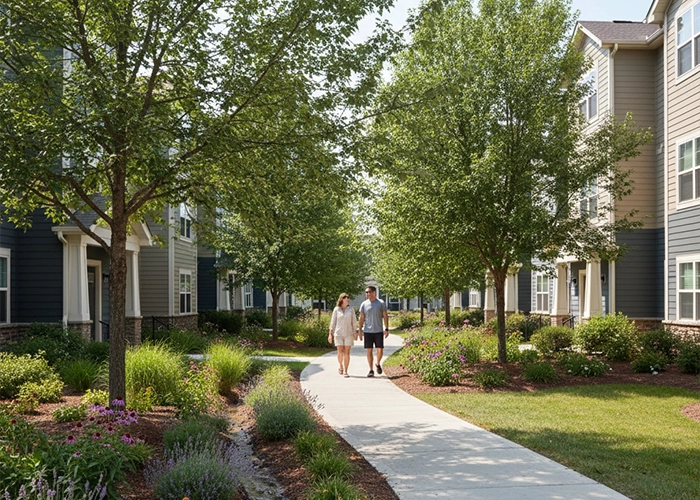
Shade is a comfort feature that also supports sustainability. Mature trees can cool sidewalks, reduce heat around buildings, and make outdoor spaces feel usable in summer.
Stormwater control ties in as well. Healthy soil and well-designed planting beds can absorb more rain, which reduces runoff and erosion. In some communities, that can lower standing water near sidewalks and reduce messy washouts after heavy storms.
A plan works best when maintenance is considered early. Tree placement should respect sightlines, foundations, and utilities. Pruning schedules and mulch depth keep trees healthy without wasting water, while native plants can support local birds and pollinators.
Waste Less, Spend Less
Waste hauling costs can climb quietly, since contracts renew and pickup schedules rarely get questioned. A closer look often reveals money being hauled away in the form of recyclable material and food waste.
Bin placement and signage can make a big difference. Recycling works better when containers sit in the same area as trash, with clear labels and enough capacity. Contamination also drops when signs show common mistakes, such as plastic bags or greasy cardboard.
Composting can be tricky in some communities, yet it can work with the right setup. A smaller pilot, like a clubhouse kitchen program or a partnership with a local compost service, can test interest. A scheduled bulk-item pickup day can also reduce the “mystery couch” problem that frustrates neighbors.
Smarter Repairs and Materials
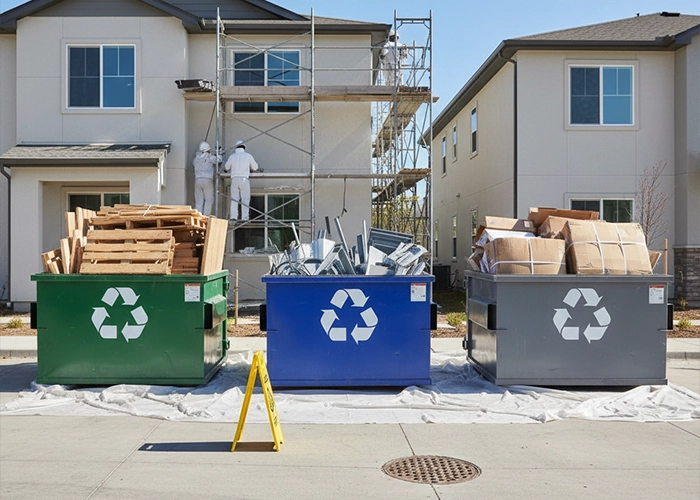
Big repair projects create a chance to reduce waste and improve durability. Roof replacements, painting cycles, pavement work, and clubhouse refreshes are already in the budget timeline for many communities.
Material choices can be improved without changing the look of the property. Low-VOC paints and sealants help cut odor and lingering fumes in enclosed spaces. Longer-lasting flooring in common halls can also reduce how often materials get replaced and thrown away.
Clear requirements in bid documents can make waste reduction part of normal project planning. Many contractors can separate cardboard, metal, and clean wood during a job, which reduces what ends up in the landfill.
A simple checklist in vendor scopes can help:
- A plan for recycling or reusing project materials where local rules allow it.
- A cleanup standard that keeps debris contained and out of drains.
- Product data sheets for paints, adhesives, and finishes used indoors.
- A disposal plan for bulky waste that avoids overfilled dumpsters.
Cleaner Products, Healthier Spaces
Cleaning choices shape indoor air, surfaces, and resident comfort. Strong fragrances and harsh chemicals can also trigger complaints, especially in shared spaces like gyms and lobbies.
A shift toward safer products can be done without sacrificing results. Many vendors already offer options that reduce fumes and skin irritation. Clear expectations can be written into cleaning contracts, including dilution rules and proper storage.
Floor care is another area where product choices matter. Low-VOC finishes and good ventilation during deep cleaning can reduce lingering odors. Residents usually appreciate knowing that the association is reducing chemical exposure in common areas.
Indoor Comfort
Comfort problems can waste energy and create resident complaints. Drafty doors, sticky humidity, and uneven temperatures often point to a fix that also supports sustainability. These issues often get blamed on personal preference, yet equipment problems are usually behind them.
Ventilation and filtration deserve attention in clubhouses, gyms, and meeting rooms. Better filters and a predictable maintenance schedule can reduce dust and odors. Outdoor air intake settings can also be checked so spaces feel fresh without overworking equipment.
Moisture control matters in many climates. Dehumidifiers in problem areas and quick response to leaks help protect walls and flooring. Those details support a green HOA because materials last longer and repairs happen less often.
Greener Travel Options
Transportation sits outside the HOA budget in many cases, yet communities still shape how residents move. Small features can support fewer car trips and make lower-emission options feel normal.
EV charging is becoming a common request in condos and townhome communities. A plan can start with electrical capacity, parking ownership, and billing. Shared chargers in visitor areas may work for some properties, while assigned-space charging may fit others.
Bike storage and walkability can be improved without huge projects. Secure racks near entrances, clear paths, and well-placed lighting make walking and biking feel safer. Over time, those upgrades support a green HOA culture because lower-impact travel becomes the easy option.
Upgrades That Pay Back
Some projects cost more upfront, yet deliver benefits for years. Planning these upgrades carefully keeps the board from chasing trends or overpromising results. A payback estimate from a vendor helps keep expectations realistic.
Solar is a common example. Rooftop systems can work well on clubhouses or amenity buildings, since usage is steady and equipment can be maintained by the association. Community solar subscriptions may be an option in some areas when roofs are shaded or ownership is complex.
Building-envelope upgrades can be less flashy yet highly effective. Better insulation and weatherstripping reduce heating and cooling loads, which improves comfort. Variable-speed pool pumps and modern controls can cut energy use while maintaining water quality.
Vendors That Support Your Goals
Sustainability efforts stall when vendors are not on the same page. Contracts set the tone, so procurement deserves real attention.
Bid requests can include clear performance expectations. Energy-efficient fixtures, water-smart irrigation practices, and low-toxicity cleaning options can be specified. Reporting requirements help as well, since vendors can track repairs, replacements, and usage patterns.
Local knowledge matters. Landscapers who understand drought conditions, seasonal rules, and plant choices usually deliver better results. Regular check-ins and clear scope also reduce cut corners that can undermine green HOA goals.
Funding Without Drama
Budget questions can derail even good ideas. A smoother process often comes from tying each project to a clear benefit and a realistic timeline.
Reserve studies can help identify when equipment replacement is already coming. If lighting or HVAC upgrades are due soon, then higher-efficiency options can be considered as part of planned work. Rebates and tax incentives may apply for certain improvements, depending on location and ownership structure.
Phasing can keep costs manageable. A community might start with common-area LEDs, then move to irrigation controls, then tackle larger equipment upgrades. Plain-language budget notes and a simple project timeline also reduce anxiety.
Keep Momentum Year After Year
Sustainability is rarely one big project. Most communities improve through a steady series of small wins that build confidence.
Regular reporting can be light but consistent. A quarterly note showing common-area energy and water use, plus a short list of completed items, keeps residents informed. Positive progress can be highlighted without sounding like a marketing campaign.
Resident participation can be welcomed without pressure. Volunteer days for tree planting or a seasonal electronics recycling drive can build connection. A simple inbox for suggestions can also reveal recurring issues that deserve a long-term fix.
A Community That Lasts
A green HOA comes from steady choices that fit the community, the budget, and local conditions. With clear goals, simple policies, and practical upgrades, the path to sustainability becomes much easier to maintain.
Related Articles:
- HOA Annual Check-up: What to Include in Your List
- Meeting Demands For EV Charging For Multifamily Properties
- Will Installing EV Chargers Increase HOA Dues?
Trending Now

Related Article


Sign up for Our Monthly Newsletter
Sign up below for monthly updates on all HOA Resource