
How to Create a Proper HOA Meeting Agenda

no schemA clear HOA meeting agenda keeps a board meeting steady, fair, and easier to follow. Better preparation also makes it easier for homeowners to trust the process, even when topics feel tense. Most meetings improve quickly once the agenda stops being an afterthought.
Browse By Category
Sign up for Our Newsletter

Sign up for Our Newsletter
Trending Now


no schemA clear HOA meeting agenda keeps a board meeting steady, fair, and easier to follow. Better preparation also makes it easier for homeowners to trust the process, even when topics feel tense. Most meetings improve quickly once the agenda stops being an afterthought.
HOA Meeting Agenda Basics
An HOA meeting agenda is the written plan for what the board will cover, in what order, and with what purpose. Predictability is the main benefit, because directors and homeowners can show up ready for the same set of topics. Clear expectations also support cleaner minutes and clearer decisions.
A strong agenda is not a script. Space for discussion still exists, yet the agenda creates guardrails so the meeting does not wander. Less wandering usually means fewer repeat arguments and fewer surprises.
Rules Before Rhythm
Your governing documents set the ground rules for how meetings happen. Quorum requirements, voting thresholds, and notice procedures can all shape what belongs on the HOA meeting agenda. Some associations also adopt meeting policies that add detail, such as speaker limits and packet deadlines.
State laws may add another layer, especially around open meetings, notice, and owner participation. A quick review of the basics helps the board avoid posting an agenda that is too vague or scheduling a vote that was not properly noticed. When legal counsel provides guidance, that input should be kept close, since meeting rules can change.
Meeting Types Matter
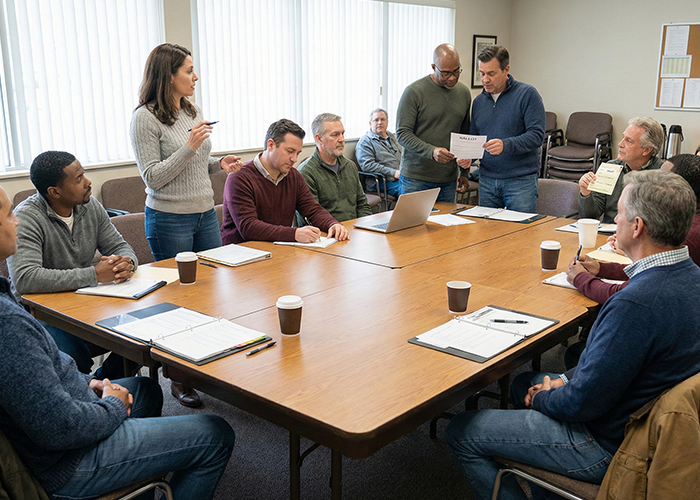
Not every meeting has the same purpose, and the agenda should reflect that. A regular board meeting usually focuses on operations, approvals, and ongoing projects. An annual meeting often centers on elections, required reports, and member voting.
Special meetings deserve extra care. A special HOA meeting agenda should stay tight around the stated purpose, since the board called the meeting for a specific reason. Emergency meetings should remain rare, and the agenda should clearly show why normal notice was not possible.
Notice and Transparency
A meeting can feel orderly and still cause trouble if the notice step is missed. The notice timeline should be treated like a deadline, not a suggestion. A calendar reminder each month keeps the board from scrambling.
The agenda also plays a public-facing role, and the posted HOA meeting agenda is often the only preview owners get. In many communities, homeowners decide whether to attend based on what they see posted. A clearer agenda title can lower stress by showing the board is not hiding the issue.
A Practical Order of Business
A familiar order helps everyone relax into the meeting. When the flow stays consistent, fewer interruptions happen because people know when their item will come up. That consistency is especially helpful when attendance is high.
Many boards follow a standard structure that includes call to order, approvals, reports, business items, homeowner comment, and adjournment. Minor tweaks can fit local needs, yet the overall rhythm should stay stable from month to month. Repeated structure also makes the chair’s job easier.
Time is a Real Budget

Meeting time gets spent the same way money gets spent. Too many agenda items usually cause rushed votes at the end, which is when mistakes happen. A realistic plan keeps the meeting from feeling like a sprint.
Estimated time blocks can be added beside the biggest items. A five-minute label next to “Approval of Minutes” sets expectations. A twenty-minute label next to “Roof Replacement Proposal” signals that discussion will be deeper.
Choosing Agenda Items
A healthy HOA meeting agenda focuses on board business, not every single community complaint. Some issues need research, vendor input, or a committee recommendation before board time is spent on a debate. A simple intake process helps separate “ready for discussion” from “not ready yet.”
A tracking list can help here. Items that are not ready can be logged with a next step, such as “obtain bids” or “confirm scope with vendor.” The board still shows accountability, yet the meeting stays productive.
Agenda Items That Lead to Action
Productive meetings separate updates from decisions. A label such as “Discussion” or “Action” keeps directors from drifting into a vote before the community has had a fair chance to follow along. Homeowners also benefit, because they can tell what may change that night.
Clarity reduces conflict. A vague entry like “Landscaping” can mean anything from a new contract to a complaint about noise at 6 a.m. More detail supports calmer discussion and better preparation.
The Language That Prevents Confusion
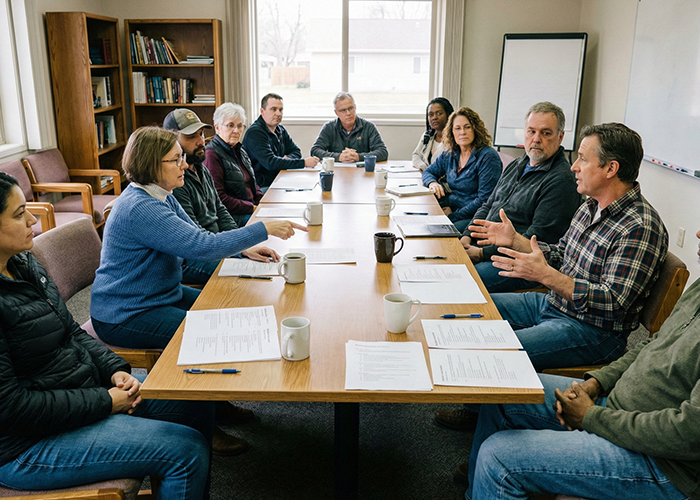
Agenda wording should match what the board plans to do. “Review pool rules” suggests a conversation, while “Adopt revised pool rules” signals a decision. That difference matters when owners are reading the agenda and planning whether to attend.
Neutral words help, too. “Hearing regarding compliance” tends to land better than language that feels accusatory. The same topic can be addressed without framing it as a fight.
Reports Without Rambling
Reports are useful when they deliver information the board needs. Trouble starts when reports become storytelling. Short, structured reports work best, especially when a written report is already in the packet.
A treasurer report can highlight cash balances, delinquency totals at a high level, and any budget variance that needs board attention. A manager report can focus on projects, vendor performance, and compliance trends. That approach keeps the meeting centered on decisions, not narration.
Financial Items That Need Their Own Space
Money topics deserve more than a quick mention, since owners often listen closely to financial discussions. A separate agenda line for “Financials” can help keep this portion organized. Sub-items can be added when needed, such as “approve reserve transfer” or “review collections summary.”
Budget season calls for extra structure. Reserve contributions, assessment changes, and large projects tend to raise questions, so the agenda should give the topic enough time. A rushed financial vote can damage trust, even when the numbers are right.
Consent Calendar Done Right

Routine approvals can be grouped into a consent calendar when the items are truly routine. Prior review is the key, because a consent vote should not be the first time directors see the document. Clean minutes and clean invoices make consent calendars easier to use.
Consent items should remain optional. Any director should be able to pull an item for discussion without pushback. That practice protects the board and keeps trust intact.
Old Business That Actually Ends
Old business can turn into a loop when items are vague. A better approach is to list the specific decision point that remains. “Gate repair update” feels open-ended, while “approve gate repair proposal” tells everyone what success looks like.
A brief note about prior actions can also help. When the agenda reflects what happened last month, directors spend less time rehashing. Homeowners benefit as well, because the story is easier to follow.
New Business With Guardrails
New business is where meetings can get messy. Without boundaries, it becomes a catch-all for frustrations that were never routed through the normal process. A few simple rules can keep it useful.
Small director requests can fit here, such as “add a lighting bid request” or “schedule a committee meeting.” Bigger items should be scheduled for a future meeting, so notice is proper and backup materials can be shared. A fair process usually feels calmer.
Owner Comment With Boundaries

Owner participation works best when the rules are clear. A set time on the agenda prevents comment from interrupting every item. A time limit per speaker keeps the meeting fair.
Many boards use two comment windows. An early window covers agenda items, while a later window covers general concerns. That structure protects the board’s ability to finish business without shutting owners out.
Handling Hot Topics Without Losing Control
Some agenda items draw strong opinions, such as parking enforcement, architectural disputes, or special assessments. A short ground-rule reminder at the start of the item can help. Respectful tone expectations can be stated without sounding patronizing.
A simple queue system also helps. Homeowners can be asked to speak one at a time, with the chair recognizing speakers. When the process feels fair, the room tends to stay quieter.
Executive Session With Care
Closed sessions should be treated as a specific tool, not a habit. Legal matters, certain personnel topics, and confidential delinquency discussions often belong there. Even then, the transition should be handled with calm explanations.
A line item on the agenda can note an executive session may occur, without listing confidential details. The open meeting can be paused, the closed portion can happen, and the board can return to open session if any formal action must be taken publicly. Clear transitions protect the record.
Motions and Votes
Confusion often shows up when a board votes without a clear motion. A clear motion gives the minutes something solid to record. It also helps owners understand what the board approved.
A short “action language” habit helps. “Approve the contract with Vendor A for $X, subject to legal review” is clearer than “move forward with the vendor.” Clarity protects everyone when questions come up later.
Board Packet That Supports Decisions
An agenda is only as strong as the packet behind it. Vendor proposals, contract drafts, financial reports, and committee recommendations should be included early enough for review. Better preparation reduces meeting-day surprises.
A packet deadline helps everyone. A manager can set a standard schedule, such as packet sent three business days before the meeting. Directors then arrive prepared, and discussion gets sharper.
Writing an Agenda People Will Read
Good agenda drafting should stay simple and direct. Short titles, plain language, and consistent formatting help homeowners scan the agenda without feeling lost. A predictable style also helps directors stay aligned, since everyone is reading the same cues.
A brief summary line can be added for complicated items. One sentence is often enough to explain why the topic is on the agenda and what outcome the board is aiming for. Extra detail can stay in the packet.
Hybrid Meetings and Technology Notes
Many communities now use some form of remote attendance. The agenda should reflect that reality, especially when owners will join by video or phone. A short line about how to access the meeting can prevent a frustrating start.
A simple plan for virtual comment helps as well. A chat feature can be helpful, yet spoken comment should still follow the same time limits. Equal rules, regardless of platform, keep the meeting fair.
Pre-Meeting Checklist
A short checklist can keep the board from discovering problems five minutes before start time. The goal is boring preparation, since boring preparation usually leads to a calmer meeting. Better habits here tend to reduce meeting stress fast.
- Notice posted and delivered on time
- Agenda finalized and shared with directors
- Board packet sent with key attachments
- Quorum confirmed or likely based on attendance patterns
- Vendor presenters are scheduled with a start time
- Executive-session topics identified, if applicable
- Technology tested for audio, video, and sign-in access
A Sample Agenda That Fits Most Boards
A simple template helps boards avoid starting from scratch every month. The outline below can be adjusted to match the community’s rules and habits. A manager can also tailor it to the board’s preferred pace.
- Call to Order and Roll Call
- Approval of Prior Minutes
- Homeowner Forum on Agenda Items
- Officer Reports
- Manager Report
- Financials
- Committee Reports
- Consent Calendar
- Old Business
- New Business
- Homeowner Forum on General Items
- Executive Session (If Needed)
- Return to Open Session (If Needed)
- Adjournment
This structure works because it places the owner’s input where it can be heard without interrupting every topic. The consent calendar stays after reports, which helps directors confirm routine items once the context is fresh. The executive session runs late, reducing confusion for attendees.
Common Missteps to Watch For
Overstuffed agendas are a frequent problem. When every issue becomes an agenda item, the meeting becomes exhausting and decisions suffer. A healthier approach separates urgent board business from issues that need research first.
Last-minute additions can also cause trouble. A big contract decision added at the door creates distrust, even if the board’s intent is good. A better habit is to log the issue and schedule it for the next meeting with proper notice.
Another common issue involves unclear public expectations. A posted agenda that hides the real decision point tends to trigger anger. A more direct approach helps, even when the topic is unpopular.
When a Manager Strengthens the Process
A professional process usually makes owners feel more confident, because it looks consistent and fair. An HOA management company can collect submissions, format the agenda, and keep the notice calendar on track. That support also reduces the risk of a director feeling stuck doing administrative work alone.
Meeting support can help in the room, too. Action items can be tracked, follow-up emails can be drafted, and vendor coordination can be handled during the month. The board then gets more time for leadership decisions.
An Agenda Owners Trust
The best agenda is readable to non-board members. Jargon-free titles and clear labels make the meeting feel open, not guarded. When the community can follow along, fewer accusations about “back-room decisions” show up.
A good homeowners association meeting agenda also signals respect. Owners see that time was taken to plan the meeting and that their attention is valued. That small signal can change the tone of an entire room.
On the Same Page
A meeting runs better when the agenda is clear, realistic, and built around decisions. Strong preparation also helps owners feel respected, even when opinions differ. Over time, a well-run HOA meeting agenda becomes one of the simplest ways to build trust in board leadership.
Related Articles:
Trending Now

Related Article

Sign up for Our Monthly Newsletter
Sign up below for monthly updates on all HOA Resource