Social Media for HOA Communities: How Associations Can Use It the Right Way

Social media for HOA communities has become a common way for residents to stay connected and informed. Many associations now rely on social platforms to share updates, announce events, and encourage neighborly interaction. When used carefully, social media can strengthen communication and help communities feel more connected.
Browse By Category
Sign up for Our Newsletter

Sign up for Our Newsletter
Trending Now

Social media for HOA communities has become a common way for residents to stay connected and informed. Many associations now rely on social platforms to share updates, announce events, and encourage neighborly interaction. When used carefully, social media can strengthen communication and help communities feel more connected.
Social Media for HOA Communities and Why It Matters
Social media has changed how people communicate. Residents often check their phones for updates before they open their email or visit a website. Because of this shift, many homeowners associations are exploring how social media can support community communication.
For HOAs, social media provides a way to share information quickly. Updates about community events, maintenance work, or rule reminders can reach residents in seconds. Instead of relying only on newsletters or bulletin boards, boards can meet homeowners where they already spend time online.
At the same time, social media creates opportunities for stronger community engagement. Residents may comment on posts, share photos from events, or welcome new neighbors. These small interactions help build a sense of belonging that many communities want to encourage.
However, using social media effectively requires planning. Without structure or clear guidelines, online discussions can quickly become confusing or even negative.
Benefits of Social Media for HOA Communication

Many associations adopt social media because it improves communication. A well-managed page can serve as an informal communication channel alongside official methods like emails or community portals.
Some of the benefits include:
- Faster updates for residents
Social media allows boards and managers to post quick updates about road closures, pool maintenance, or weather alerts. - Stronger community engagement
Residents may interact with posts by sharing event photos, congratulating neighbors, or discussing upcoming activities. - Improved event participation
When announcements appear in a resident’s feed, people are more likely to notice them. This visibility can increase attendance at meetings and community events. - A sense of transparency
Regular updates can help residents feel informed about what is happening within the community.
While these benefits are valuable, they should never replace official communication channels required by governing documents or state laws.
Choosing the Right Social Platform
Not every social media platform works well for HOA communities. The goal is to choose a platform that residents already use and that supports group communication.
Many associations prefer platforms such as:
- Facebook Groups
Private Facebook groups are widely used by HOAs. They allow moderators to control membership and approve posts. - Nextdoor
This neighborhood-focused platform helps residents connect with others living nearby. Many communities find it useful for local announcements. - Community apps
Some associations use HOA software platforms that include built-in social features or discussion boards.
The best platform depends on the size of the community and the level of moderation the board is willing to provide.
Regardless of the platform chosen, the association should clarify whether the page is official or simply resident-run.
Creating a Clear HOA Social Media Policy
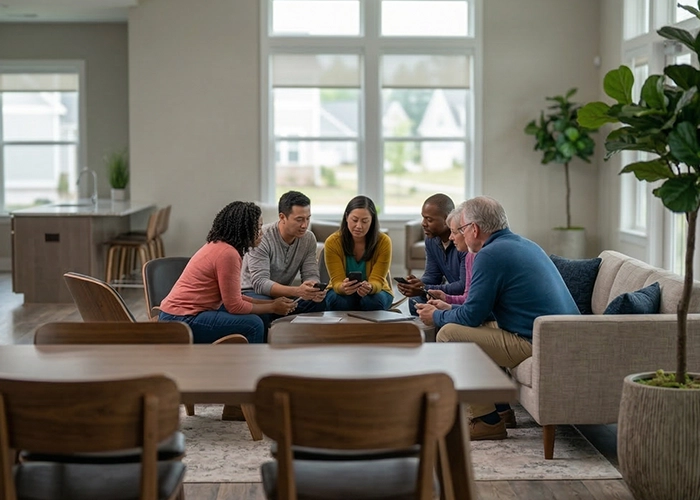
Before launching an official page, associations should establish a social media policy. A written policy helps prevent misunderstandings and sets expectations for online behavior.
A strong HOA social media policy often addresses the following points:
- Who manages the page
The board, a committee, or the management company may be responsible for posting updates. - What types of posts are allowed
The policy may allow community announcements, event promotions, or lost pet notices. - What content is not allowed
Personal attacks, offensive language, or discussions about violations should be prohibited. - How moderation will work
Posts that violate community guidelines should be removed by moderators.
Clear rules help keep conversations respectful while protecting the association from unnecessary conflict.
Setting Expectations for Residents
Social media can sometimes blur the line between casual conversation and official communication. Residents may assume that posting a question online will receive an official response from the board.
Associations should clarify that social media is not the proper channel for certain matters.
Residents should be encouraged to use official channels when they need to:
- Submit maintenance requests
- Report rule violations
- Ask questions about assessments
- File formal complaints
When expectations are clear, social media becomes a helpful communication tool instead of a replacement for established processes.
Moderating Community Discussions

Moderation is one of the most important parts of managing HOA social media. Without moderation, discussions can quickly turn into arguments or complaint threads.
Moderators should monitor posts regularly and ensure that conversations stay respectful. Removing inappropriate comments early can prevent larger conflicts later.
It is also helpful to remind residents that social media posts represent personal opinions, not official decisions made by the board.
Consistent moderation creates a welcoming space where residents feel comfortable participating.
Avoiding Common Social Media Pitfalls
While social media can improve communication, it also presents challenges. Associations should be aware of common issues before creating an official account.
One concern involves privacy. Board members must avoid discussing personal homeowner information online. Matters involving violations, collections, or disputes should remain confidential.
Another concern is misinformation. Residents may share rumors or incorrect details about community policies. When this happens, moderators should provide accurate information in a calm and professional tone.
Finally, boards should avoid responding emotionally to criticism posted online. Taking a thoughtful approach helps maintain professionalism and prevents unnecessary escalation.
Encouraging Positive Community Engagement

Social media works best when it highlights positive aspects of community life. Instead of focusing only on rules or reminders, associations can share posts that celebrate neighborhood activities.
Some examples include:
- Photos from community events
- Holiday decorating contests
- Volunteer recognition
- Announcements welcoming new residents
These posts help create a friendly atmosphere where neighbors feel connected.
Even simple updates, such as landscaping improvements or completed maintenance projects, can show residents that the board is actively working to maintain the community.
Balancing Transparency With Professionalism
Residents appreciate transparency from their HOA board. Social media can support this goal by sharing general updates about projects, meetings, or community improvements.
At the same time, professionalism should remain a priority. Sensitive topics or official decisions should always be communicated through formal channels first.
Social media works best when it complements other communication tools such as newsletters, websites, or resident portals.
By balancing openness with professionalism, boards can build trust while maintaining proper governance.
Training Board Members and Managers

Managing social media requires a basic understanding of communication and community management. Board members or managers who oversee online platforms should receive guidance on best practices.
Training may include:
- Understanding privacy considerations
- Learning how to moderate discussions
- Communicating in a professional tone
- Responding to questions without creating liability
Even a short orientation can help prevent mistakes that might lead to misunderstandings within the community.
Associations that take the time to prepare moderators often see more positive interactions online.
Social Media Should Support, Not Replace, Official Communication
One important rule is that social media should never replace official HOA communication. Legal notices, meeting announcements, and voting materials must still follow the procedures outlined in governing documents and state law.
Social media can help remind residents about these notices, but it should not be the primary delivery method.
When boards treat social media as a supplemental tool, they gain the benefits of quick communication without creating confusion about official processes.
Building a Stronger Community Online
When managed carefully, social media can strengthen neighborhood relationships. Residents who interact online often feel more comfortable participating in community events or attending meetings.
These online interactions can help neighbors learn more about one another. Over time, this sense of connection contributes to a healthier community environment.
Boards that approach social media with clear policies, thoughtful moderation, and realistic expectations often find that it becomes a valuable communication tool.
A Thoughtful Approach to Social Media for HOA Communities
Social media for HOA communities can be a powerful tool when used responsibly. With clear policies and respectful moderation, it helps boards communicate with residents while encouraging stronger neighborhood connections.
Strong communication builds stronger communities. If your HOA wants to improve engagement and keep residents informed, thoughtful communication tools can make a big difference.
Work with experienced HOA management professionals who understand both community governance and modern communication strategies.
Related Articles
Trending Now

Related Article

Sign up for Our Monthly Newsletter
Sign up below for monthly updates on all HOA Resource