Trash Disposal and Recycling in HOAs: Rules to Enforce
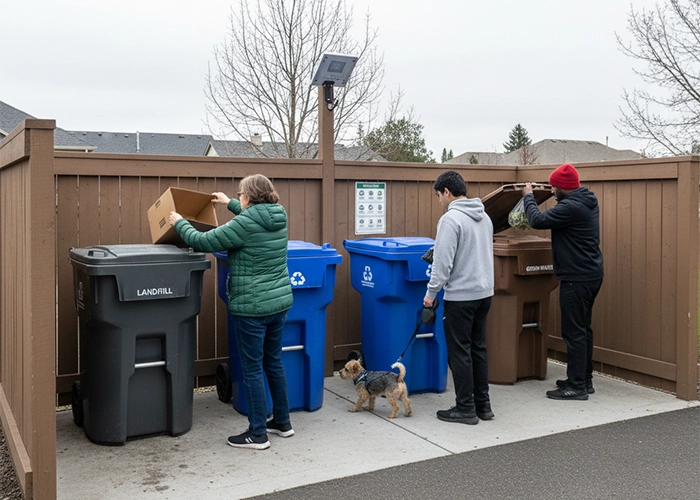
Few things spark neighbor complaints faster than overflowing bins, torn bags, and mystery items left by the dumpster. Clear, fair rules for trash disposal and recycling keep common areas clean, protect budgets, and reduce friction between residents who share the same spaces.
Browse By Category
Sign up for Our Newsletter


Sign up for Our Newsletter
Trending Now


Few things spark neighbor complaints faster than overflowing bins, torn bags, and mystery items left by the dumpster. Clear, fair rules for trash disposal and recycling keep common areas clean, protect budgets, and reduce friction between residents who share the same spaces.
Trash Disposal and Recycling Basics
A working system starts with a shared definition of what belongs where. Most communities handle at least three streams: landfill trash, mixed recycling, and occasional special pick-ups for bulky or hazardous items. Confusion tends to show up when the rules assume everyone already knows the local service limits.
Consistency matters more than perfect detail. One set of simple expectations, repeated often, usually beats a long rule sheet that no one reads. Better habits follow when residents can predict what happens if a cart is overfilled, a bag leaks, or the wrong items end up in the wrong container.
Every board also benefits from a short “why” behind the rules. Clean-up costs, pest problems, and missed collections all come with real invoices. A quick explanation helps residents see that trash disposal and recycling policies protect everyone’s dues.
Start With Local Requirements and Your Documents

Local ordinances set the baseline for most waste programs. Trash disposal and recycling schedules, container sizes, set-out times, and rules about blocked sidewalks often come straight from the city or the contracted hauler. HOA rules should build on that baseline rather than conflict with it.
Governing documents matter just as much. The declaration, bylaws, and rules may spell out who pays for service, where containers can sit, and how fines work. When the authority is clear, enforcement feels less personal and more like routine community maintenance.
Some communities rely on vendor agreements for day-to-day details. Service contracts often include contamination fees, overflow charges, and limits on extra bags. A quick review keeps the board from promising something the hauler will not do.
Build a System Residents Can Follow
Convenience drives behavior. Recycling rates go up when bins are easy to reach, clearly marked, and located where people already walk. Confusion grows when the recycling area sits far away, hidden behind a locked gate, or missing signs.
A matched set of containers helps as well. Trash and recycling bins placed side by side reduce “close enough” tosses. That pairing matters in clubhouses, pool areas, mail rooms, and dog stations, where quick disposal decisions happen.
Clear visuals do more than long paragraphs. A short label on each lid, plus a poster at eye level, usually outperforms a page in the welcome packet. Photos of common items from the community’s own waste stream can make the message stick.
Keep Capacity Realistic
Overflow invites rule-breaking. A smaller dumpster may look fine on paper, but it becomes a problem after holidays, move-ins, or large deliveries. Boards that track overflow patterns can adjust service levels before the problem turns into weekly mess.
Seasonal swings deserve attention. Yard trimmings, cardboard, and packaging spike at predictable times. A temporary increase in service, or a scheduled clean-out day, often costs less than repeated cleanups and code complaints.
Set-Out Timing and Storage That Prevents Mess
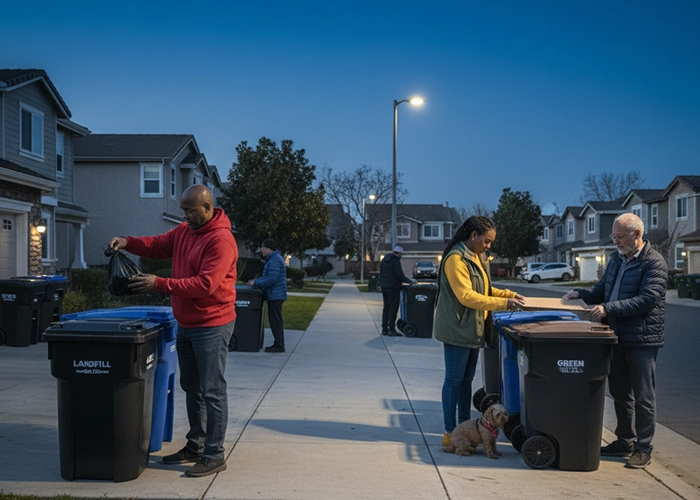
A simple schedule reduces late-night bin dragging and early-morning scrambling. Collection days, set-out windows, and return times should be written in plain language, then repeated in reminders before the first week of any change. Residents appreciate rules that match real life, not wishful thinking.
Cart placement needs its own clarity. Sidewalk access, fire lanes, and sight lines for drivers matter in many neighborhoods. Space for wheelchair access matters, too, so a row of bins does not block curb cuts or pathways.
Storage expectations should reflect your property type. Single-family communities often focus on keeping carts out of view, while condos focus on keeping waste rooms clean and doors closed. Each setting needs rules that fit the layout.
Bagging and Leak Control
Loose trash creates most of the unpleasant surprises. Tied bags, sealed containers, and prompt clean-up after leaks keep odors down and pests away. Those basics also reduce the “someone else will handle it” attitude that tends to spread.
Pet waste deserves its own standard. A sturdy bag and a closed container protect the entire area, especially in warm months. A short rule about double-bagging when needed can prevent ongoing complaints.
Creating Trash Disposal and Recycling Rules Residents Understand
Recycling works best when it stays simple, specific, and local. Accepted items vary by hauler and region, so the HOA should mirror the current list rather than copy a generic chart from the internet. A short note about checking the posted list keeps expectations realistic.
Clean, empty, and dry remains a solid baseline. Food residue can attract pests and lower the value of the load. A quick rinse and a shake-out can make the difference between usable material and a rejected cart.
The biggest trap comes from good intentions. A “maybe it counts” toss can turn into contamination in the recycling stream. When in doubt, a quick check of the posted guide usually beats a guess.
The Plastic Bag Problem
Loose bags tangle sorting equipment in many facilities. Recycling providers often ask residents to keep bags and film out of curbside carts, even when other plastics are accepted. A dedicated bag drop-off option, if available locally, can be listed as a separate note.
A Short List of Common “no” Items
A few reminders can prevent most mistakes. These are the troublemakers that show up most often in shared bins:
- Plastic bags, wrap, and film
- Batteries and electronics
- Clothing and textiles
- Tanglers like hoses, cords, and holiday lights
- Food-soiled napkins and greasy paper
That list stays short on purpose. A longer list belongs on a posted guide near the bins.
Extra Waste Streams That Need Clear Rules

Cardboard creates space issues fast. Break-down rules keep dumpsters from filling with air, and they also prevent blocked lids that invite animals. A simple standard, such as flattening boxes and cutting large pieces, keeps the area workable.
Many cities now run organics or food-scrap programs, and some states require broader organic diversion. HOA rules should match those programs when they exist, especially for communities with shared dumpsters where one resident’s bag can affect everyone.
Yard waste often needs its own plan. Bag type, bin type, and collection days vary by provider. A dedicated green-waste container, plus clear limits on rocks and soil, can prevent rejected loads and extra fees.
Compostable Products Need Clarity
“Compostable” does not always mean accepted. Some programs take only food scraps and yard trimmings, while others accept certified compostable liners. A posted note helps residents avoid buying products that will end up in the trash anyway.
Move-In Surges and Bulky Waste
Move-in weekends can overwhelm a normal schedule. Cardboard mountains, foam packaging, and old furniture tend to show up all at once. A separate set of instructions for new residents keeps the first month from turning into a clean-up campaign.
Renovation debris needs firmer limits. Many haulers prohibit construction waste, concrete, roofing, and large amounts of drywall in standard dumpsters. Clear rules protect the HOA from damage charges and avoid blocked chutes or jammed compactors.
One clear process for bulky-item collection helps. A reservation system, a designated staging area, and a short timeline reduce “dump and disappear” behavior. A small fee for repeated use can be fair when it reflects actual hauling costs.
Hazardous Items and Fire Risk
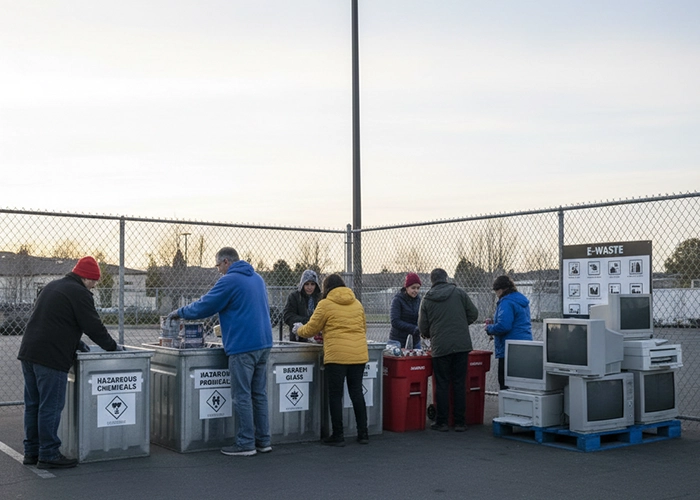
Certain items never belong in standard bins, even when they seem small. Paint, chemicals, propane cylinders, and automotive fluids can harm workers and create serious hazards. A short policy for household hazardous waste keeps the community safe and avoids expensive incidents.
Batteries deserve extra attention. Lithium-ion batteries can ignite when crushed, punctured, or exposed to heat. A clear rule for battery drop-off, plus a reminder not to tape batteries to other items, reduces the risk.
Medical and sharp items require care as well. Needles, lancets, and broken glass should be secured in an approved container before disposal. A simple note about safety protects sanitation staff and neighbors alike.
Electronics and Appliances
Old televisions, printers, and small appliances often have special disposal rules. Many counties offer e-waste collection days or drop-off centers. A short list of local options, updated once a year, can stop illegal dumping.
Condo Waste Areas That Need Structure
High-density living changes the problem. Trash rooms see more traffic, and small mistakes add up fast. A strong standard for tying bags and keeping lids closed protects the entire building.
Box disposal causes many chute jams. A posted rule about breaking down boxes before entering the room saves time for maintenance staff and reduces repair bills. Clear expectations about keeping carts out of hallways also protect egress paths.
Shared spaces need shared respect, which is where good chute habits matter. Oversized items, loose food waste, and open bags should never go down a chute. A short reminder at the chute door can prevent repeat problems.
Keep Waste Areas Clean and Pest-Resistant
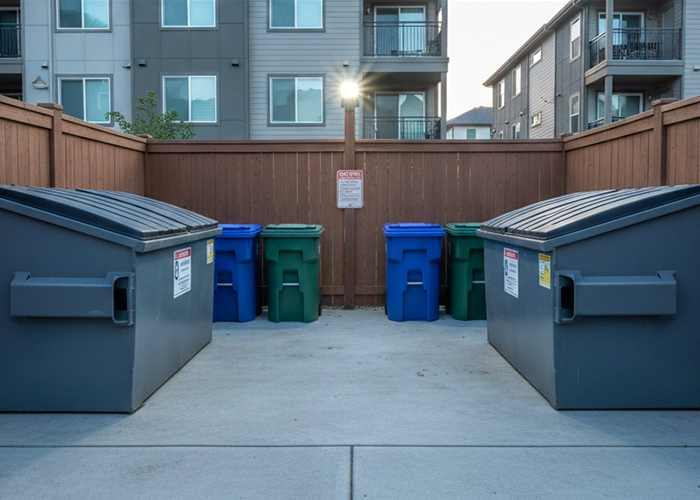
A clean enclosure discourages dumping. When lids close fully and the area smells neutral, people tend to follow the rules. When the area looks neglected, bad habits spread.
Regular washing can be scheduled without much drama. A monthly rinse, a quarterly deep clean, and prompt spill cleanup usually keep odors under control. Those routines also support pest prevention because food residue becomes harder for insects and rodents to reach.
Lighting and visibility matter, too. A well-lit area with clear sight lines reduces after-hours dumping. Simple improvements like motion lights and a camera sign often change behavior quickly.
Control Access Without Creating Friction
Locked gates can help, but only when residents can still use the area easily. Key fobs, coded locks, and clear guest instructions keep the system workable. Access controls fail when residents prop doors open out of frustration.
A well-built enclosure around the dumpsters supports this effort by keeping windblown trash in place and protecting bins from rain. Strong fencing also makes it harder for outsiders to treat the site like a public dump.
Make Enforcement Predictable and Fair
Fair enforcement starts with a rule that can be proven. A board should avoid policies that require guessing who left an item near a bin. Clear standards about what counts as a violation help residents feel the process is reasonable.
Documentation saves time. Photos, dates, and a short note about the issue create a clean record, especially when a hearing is required. That record also helps when the same pattern shows up again and again.
Escalation should stay steady. A friendly reminder may fix first-time mistakes, while repeat issues may need formal notice and a fine. Consistency across households matters more than the size of the penalty.
Due Process Still Matters
Most states and governing documents require notice and a chance to be heard before fines. A simple timeline keeps the process fair and reduces claims of favoritism. Boards that follow their own procedures protect the association.
Reasonable accommodations may apply in limited situations. Mobility challenges, for example, can affect how someone moves carts or reaches a dumpster area. A practical, case-by-case approach keeps the community both fair and compliant.
Communication That Turns Rules Into Habits
A single email rarely changes behavior. Repetition in small doses usually works better, especially when residents have different routines and languages. Short reminders placed where decisions happen create better results than long memos.
Onboarding deserves special attention. A one-page guide for new owners and tenants, handed out at move-in, prevents weeks of preventable errors. A quick walk-through of the disposal area can help, too, since many people learn faster by seeing the setup.
Seasonal reminders keep the system stable. Better results show up when trash disposal and recycling reminders sound like neighborly guidance, not threats. Holiday packaging, summer cookouts, and post-storm yard cleanup all change waste patterns. A well-timed note can prevent overflow before it starts.
Work With Vendors and Watch the Costs
Waste service sits in the budget like any other contract. Pricing depends on container size, frequency, contamination rates, and the distance to processing facilities. Tracking issues over a few months gives the board real data to use at renewal time.
Service calls should be easy to report. A simple request form for missed pick-ups, damaged lids, or overflowing bins keeps small problems from turning into weekly complaints. Better reporting also helps the vendor correct patterns, such as blocked access or repeated overfill.
Contract language deserves attention, especially contract provisions tied to contamination fees and extra lifts. Clear responsibility for cleanup, gate access, and seasonal adjustments prevents surprise charges. A short summary for residents can explain why the rules exist without diving into legal wording.
A Cleaner Routine Starts Here
Stronger rules rarely mean harsher rules. Clear expectations, a setup that makes sense, and steady follow-through usually solve most waste problems without constant conflict. With the right approach, trash disposal and recycling becomes one of the quieter parts of community life instead of the loudest.
Related Articles:
- Are HOA Trash Cans Becoming A Problem?
- HOA Security Tips: Best Practices to Apply to Your Community
- What Is The Purpose Of An Interim HOA Board?
Trending Now

Related Article



Sign up for Our Monthly Newsletter
Sign up below for monthly updates on all HOA Resource