HOA Board Training: Practical Skills That Build Better Decisions

HOA board training helps volunteers serve with confidence. With a shared playbook, everyday choices feel clearer and more consistent.
Browse By Category
Sign up for Our Newsletter
Sign up for Our Newsletter
Trending Now


HOA board training helps volunteers serve with confidence. With a shared playbook, everyday choices feel clearer and more consistent.
Why HOA Board Training Matters Right Now
Communities rely on boards more than ever. Associations have grown from about 10,000 in the 1970s to well over 360,000 by 2022, which means more homes, larger budgets, and higher expectations. As the scale increases, so does the need for a simple, structured way to learn the job.
Rising costs add another reason to focus on learning. Many boards report budget pressure from inflation, and some fees have climbed to levels that approach three percent of a home’s median value. Training gives leaders the tools to explain choices, set priorities, and show how each dollar supports the community.
The work also touches trust. Residents say they prefer boards that self-regulate and act with transparent standards. When members learn the same rules and follow the same steps, enforcement feels fair and decisions are easier to accept.
Skills That Shape Everyday Decisions
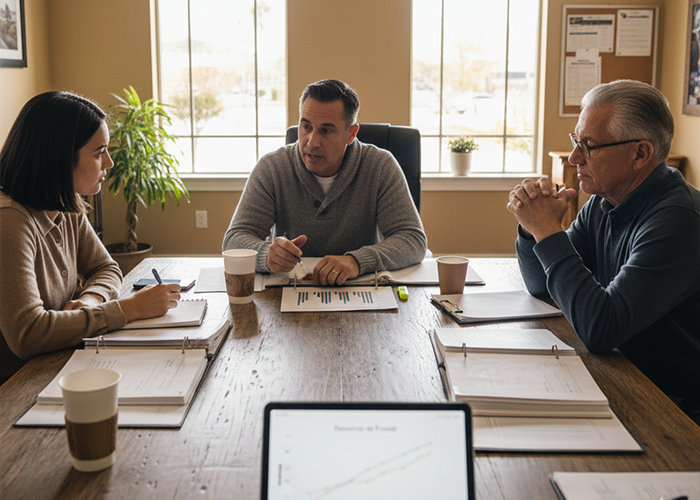
Strong decisions start with shared fundamentals. Financial literacy turns budgets and reserve studies into practical tools rather than confusing spreadsheets. Once reports make sense, it becomes easier to weigh tradeoffs and communicate the reasons behind them.
Legal basics sit close by. Boards that understand their governing documents and local rules can prevent issues before they grow. Clear procedures and consistent records, then turn that knowledge into a day-to-day routine.
People skills round out the set. Clear, respectful communication helps members listen, ask better questions, and find common ground. As those habits take hold, meetings feel calmer and outcomes improve.
Make Onboarding Feel Welcoming
New volunteers do their best work when the first steps are simple. A welcome packet with the declaration, bylaws, rules, current projects, and a calendar of deadlines gives new members a starting map. That map keeps the focus on what matters in the first few months.
Mentorship shortens the learning curve. Pair each newcomer with a seasoned member for regular check-ins, quick answers, and gentle course corrections. Trust grows faster when questions can be asked in a safe, friendly space.
Role clarity ties it all together. When the duties of the president, treasurer, and secretary are clear, committee work falls into place and meetings move on time. With fewer surprises, the board can spend more energy on results.
Learn Finance That Residents Can Follow

Money is where policy meets daily life. Assessments across communities reach into the hundreds of billions each year, so even small mistakes can ripple through service levels and projects. Training helps leaders spot trends early and correct course before a shortfall appears.
Budgets should reflect what residents value. When boards link services to costs in plain language, people can see why a line item matters. That clarity reduces friction when a repair is urgent or a project must wait.
Reserves deserve steady attention as well. A clear funding plan protects roofs, pavement, and mechanical systems so property values remain stable. Regular reviews help boards adjust contributions without drama.
Having Legal Know-How That Reduces Risk
Fiduciary duties are the foundation of board service. Training gives members the language and steps they need to act in the association’s best interest. With that standard in view, tough calls feel fair and defensible.
Rules and statutes change over time. A brief annual legal update keeps policies aligned with current requirements and reduces the chance of costly detours. Even better, it shows homeowners that the board takes compliance seriously.
Good records close the loop. Accurate minutes, organized contracts, and consistent enforcement create a paper trail that stands up to questions. People may not love every decision, but they will see that rules were followed.
Organizing Meetings Effectively

A predictable meeting format brings out the best in volunteers. A published agenda, time boxes for major items, and a clear motion process keep discussion on track. Residents feel respected when they can see what will be covered and when.
Consent agendas help the group move routine items in one vote. That simple step frees time for issues that need real debate. With more time for the hard parts, decisions tend to be better and easier to explain.
Minutes should be brief and factual. Record motions, votes, and who owns each follow-up. The next meeting then begins with progress instead of confusion.
Using Software That Makes Work Easier
Digital tools keep the board’s work in one place. Payments, work orders, and documents are easier to find when they are not scattered across inboxes. Transparency improves because more people can see the same information.
Training should match the tool’s features to what the board actually needs. Start with document storage and announcements, then add reporting and requests as comfort grows. A slow, steady rollout builds real use and less frustration.
Residents benefit directly from good systems. When they can pay assessments, track requests, and read updates without extra steps, complaints drop and engagement rises.
Helping Large or Complex Communities

Some associations face added layers of risk and scale. Communities with more than a thousand homes or budgets in the multimillion range often carry more contracts, more amenities, and more regulatory attention. Formal courses and certifications give leaders a common language for those larger decisions.
Professional partners can support that learning. Management teams bring process, vendor networks, and reporting that make oversight easier to practice. When the board and the manager train together, communication tightens and projects move faster.
Certifications are not a substitute for HOA board training, but they pair well with hands-on practice. The goal is still the same. Give volunteers just enough structure to act with confidence.
Communication That Feels Fair and Clear
Homeowners want to know what is happening and why. A simple mix of email, portal posts, lobby notices, and short mailers reaches more households than a single channel. People cannot support what they do not hear about.
Plain language helps everyone follow along. Jargon turns budgets and policies into walls. Clear summaries with dates, costs, and next steps invite questions that lead to better answers.
Two-way communication completes the picture. A known place to ask questions and a set time for replies shows respect. When responses arrive as promised, trust grows.
Handling Disputes Without Drama
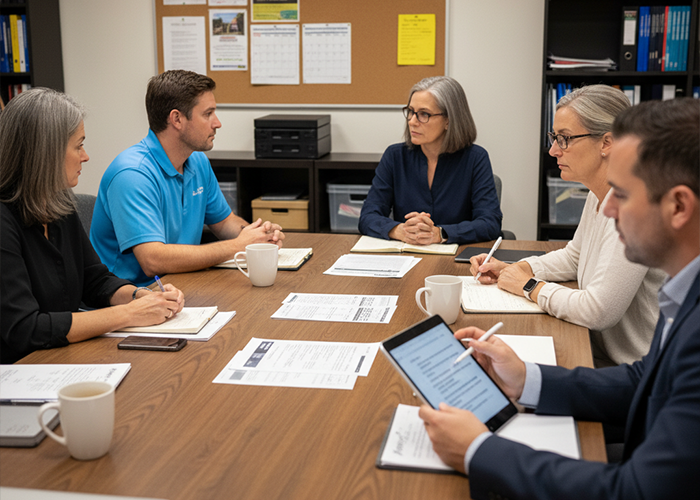
Disagreements will show up in any community. HOA board training gives members a steady way through them, starting with listening and restating what people need. When both sides feel heard, options begin to appear.
Fair enforcement matters here as well. If rules are applied the same way for everyone, even a denial can be accepted. When an exception is appropriate, a brief written reason keeps the record honest.
Small habits make a big difference. Stay calm, offer a next step, and follow up on time. Over months, those habits reshape the tone of the community.
Vendor Oversight That Protects Value
Vendors carry much of the day-to-day workload in a modern community. Clear scopes, proof of insurance, and quality checks reduce risk before the first invoice is paid. A good start prevents tough conversations later.
The bid process should be consistent and documented. When criteria are defined in advance and scored the same way, the final choice is easier to defend. If questions come up, the record provides the answer.
Mid-contract reviews are worth the calendar space. A short check on timeline, safety, and workmanship lets both sides adjust before problems grow. Small corrections keep projects moving and budgets in line.
Measuring and Reporting

People support what they can see. Simple metrics, such as response times, budget variance, and project completion rates, turn board work into a story residents can follow. A one-page summary in each packet keeps everyone aligned.
That same story can be shared with the community. Short updates on spending, schedules, and results reduce rumors and guesswork. When residents understand the plan, they are more likely to give useful feedback.
If a number slips, name the cause and the fix. Honesty is persuasive when it comes with a path back to goal. The next report then shows progress, which rebuilds confidence.
HOA Board Training: A First-Year Roadmap
Learning lands best in small, regular pieces. A quarterly approach to HOA board training keeps topics focused and habits steady. This rhythm respects volunteer time and improves retention.
Here is a simple pattern that works for many boards:
- Winter: elections, roles, and meeting basics
- Spring: budget planning, reserve reviews, and insurance check-ins
- Summer: contracts, vendor oversight, and project scheduling
- Fall: policy tune-ups, annual meeting prep, and records review
Each quarter can include one short workshop and one quick check-in. That cadence keeps learning close to the work it supports. Over a full year, the board builds a shared foundation that new members can join at any point.
Using Data Points Residents Recognize

Numbers help people understand why training matters. Many boards have reported cost pressure, and average monthly assessments in some areas sit near the three hundred dollar mark. Those dollars fund maintenance, safety, reserves, and insurance, so accuracy and oversight matter.
Participation matters too. In many communities, more than half of residents engage with meetings or votes at some level. Clear agendas and accessible reports invite even more involvement, which leads to better outcomes.
Volunteer time is another part of the picture. Across the country, millions of hours are given each year to keep communities running. Training respects that gift by making time count.
Keeping Records That Outlast Any Term
Good records help boards serve well today and hand off smoothly tomorrow. Decide where documents live, who can access them, and how long each type is kept. A clear index then lets anyone find what they need.
Policies should match practice so residents see fairness in action. When a process changes, update the written rule and send a brief notice. Consistency prevents confusion and cuts down on repeated questions.
A short annual compliance checklist ties up loose ends. Required disclosures, insurance confirmations, and archival steps can be verified in one sitting. The result is fewer surprises when terms end.
Building a Culture That Attracts Volunteers

People say yes when service feels possible. Short sessions, friendly mentorship, and clear tools show that anyone can learn the job. A steady learning culture also reduces the risk that knowledge sits with one person.
Recognition keeps that culture alive. Thank the treasurer who explained a report in plain language or the committee chair who led a workshop. Small moments of appreciation keep energy high.
As the culture grows, succession gets easier. New members join a board that teaches, listens, and improves. That reputation protects community value in ways that rules alone cannot.
Working with Management
Management teams can amplify the board’s plan. They bring structure, compliance timelines, and vendor contacts that make oversight easier to practice. Joint sessions on reports and policies give everyone the same baseline.
Use that partnership during onboarding. Managers can walk new members through monthly financials and key deadlines so the first meeting feels less overwhelming. A common starting point reduces confusion later.
When issues recur, ask for a targeted workshop. Parking, amenities, or architectural requests often benefit from a short, focused tune-up. Quick learning turns repeated complaints into clear expectations.
Creating Effective Leaders
Treat HOA board training like a standing habit, not a one-time seminar. When modules build on each other and drills reflect real work, volunteers gain skill, meetings calm down, and trust grows. Over time, that steady progress shows up in safer properties, clearer budgets, and fair enforcement people accept.
Need help in organizing HOA board training sessions for board members? Let professional HOA managers help you out! Check out our online directory today for your area’s best HOA management companies!
Related Articles:
Trending Now

Related Article


Sign up for Our Monthly Newsletter
Sign up below for monthly updates on all HOA Resource