HOA Cashflow: Why Healthy Cash Flow Is Essential for Community Associations

HOA cashflow plays a major role in the financial health of any community association. Without steady incoming funds, even well-run associations can struggle to cover routine expenses and long-term obligations.
Browse By Category
Sign up for Our Newsletter
Sign up for Our Newsletter
Trending Now


HOA cashflow plays a major role in the financial health of any community association. Without steady incoming funds, even well-run associations can struggle to cover routine expenses and long-term obligations.
Understanding how HOA cashflow works helps board members and homeowners maintain stable operations while protecting the community’s future.
Understanding HOA Cashflow
HOA cashflow refers to the movement of money coming into and going out of the association. The primary sources of incoming funds usually come from homeowner assessments, fees, and sometimes fines. Outgoing funds include routine operating expenses, vendor payments, and reserve contributions.
For most associations, cashflow is fairly predictable. Monthly assessments arrive on a regular schedule, and recurring expenses such as landscaping, insurance, and utilities follow a consistent pattern. Even so, problems can develop when collections slow down or unexpected expenses arise.
Healthy HOA cashflow allows a board to operate the community without delays or disruptions. When funds are available at the right time, bills are paid promptly and projects move forward without financial strain.
Why HOA Cashflow Matters for Community Stability
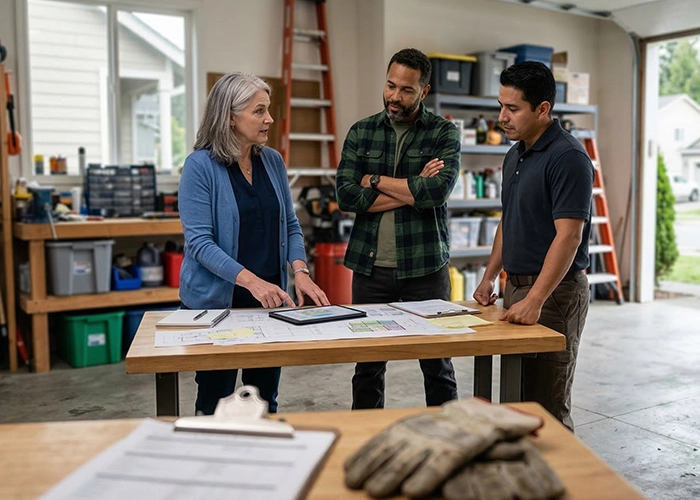
A community association functions much like a small business. It collects funds, manages expenses, and plans for future needs. When HOA cashflow becomes tight, everyday operations can become difficult.
If incoming funds fall short, the board may face several challenges:
- Vendor payments may be delayed.
- Maintenance projects may be postponed.
- Reserve contributions may be reduced.
- Emergency repairs may require special assessments.
These situations often create frustration among homeowners. Residents expect consistent maintenance and reliable services, and that depends heavily on strong financial management.
Good HOA cashflow supports stability. It allows the association to meet financial obligations while maintaining property values and community standards.
Common Sources of HOA Income
Most associations rely on several types of revenue to maintain healthy cashflow. These income sources form the foundation of the community’s financial structure.
Regular Assessments
Regular assessments are the primary source of HOA income. Homeowners typically pay monthly, quarterly, or annually depending on the association’s governing documents.
These payments cover routine operating costs such as:
- Landscaping
- Security services
- Utilities for common areas
- Administrative expenses
- Insurance policies
Since these assessments make up the majority of incoming funds, timely payment is critical to maintaining consistent HOA cashflow.
Special Assessments
Sometimes, the board must collect additional funds to cover unexpected expenses or major repairs. Special assessments provide a way to raise funds quickly when reserves fall short or emergencies occur.
Examples may include:
- Storm damage repairs
- Structural issues
- Major infrastructure replacement
- Legal expenses
While necessary at times, frequent special assessments can place financial strain on homeowners. Proper planning and reserve funding can reduce the need for them.
Fees, Fines, and Other Income
Some associations generate smaller amounts of income through administrative fees or community services. While these sources rarely make up the bulk of HOA cashflow, they still contribute to overall financial stability.
Examples include:
- Late payment fees
- Architectural review fees
- Amenity rentals
- Violation fines
These additional funds can help offset operational costs.
Typical Expenses That Affect HOA Cashflow
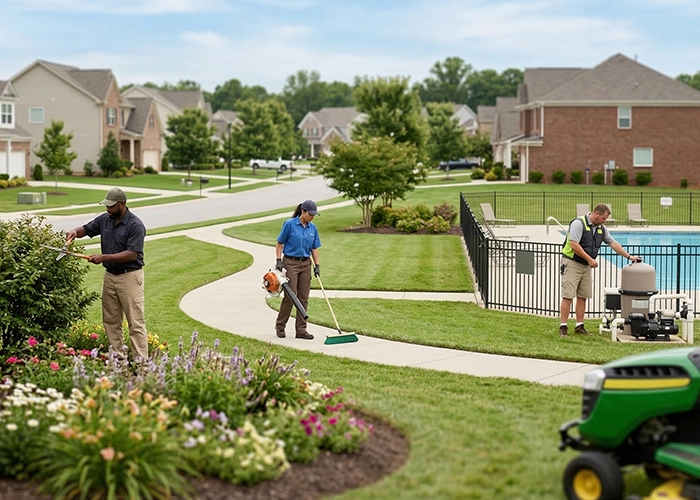
Just as income affects financial stability, expenses play an equally important role in HOA cashflow management. Boards must balance incoming funds with routine and long-term costs.
Operating Expenses
Operating expenses represent the day-to-day costs of running the community. These are the predictable bills that keep the neighborhood functioning smoothly.
Common operating expenses include:
- Landscaping and groundskeeping
- Pool maintenance
- Building cleaning and janitorial services
- Utility costs for common areas
- Property management fees
Since these costs occur regularly, boards must ensure sufficient funds are available throughout the year.
Reserve Contributions
Reserve funds are savings accounts for future repairs and major replacements. These funds help cover large expenses such as roofing, pavement replacement, or structural repairs.
Without adequate reserve funding, associations may face serious cashflow problems when major repairs become necessary. Many communities rely on reserve studies to determine how much money should be saved each year.
Unexpected Repairs
Even with strong planning, unexpected repairs occasionally occur. Water damage, equipment failure, or storm impacts can quickly create urgent expenses.
Strong HOA cashflow helps communities respond quickly to these issues without disrupting normal operations.
Signs Your HOA May Have Cashflow Problems
Some cashflow challenges appear slowly. Board members should recognize early warning signs before problems grow more serious.
Common indicators include:
- Increasing Delinquent Accounts
When more homeowners fall behind on assessments, incoming funds may drop significantly. - Frequent Vendor Payment Delays
If vendors wait longer for payment, the association may be experiencing a cash shortage. - Reduced Reserve Contributions
When reserve funding is paused or lowered to cover operating costs, long-term financial health may be at risk. - Dependence on Special Assessments
If special assessments occur regularly, the association may be struggling to maintain balanced cashflow.
Addressing these issues early helps prevent larger financial problems later.
How Boards Can Improve HOA Cashflow

Effective financial management can strengthen HOA cashflow and reduce financial stress within the community.
Create a Realistic Annual Budget
A well-planned budget forms the backbone of strong HOA finances. Boards should carefully evaluate past expenses while anticipating future costs.
Important budgeting steps include:
- Reviewing historical financial data
- Accounting for inflation and service increases
- Including reserve contributions
- Preparing for contingency expenses
Accurate budgeting helps ensure that assessments match the community’s financial needs.
Encourage Timely Assessment Payments
Since homeowner assessments make up the majority of HOA income, prompt payment is essential.
Boards can improve collections through several approaches:
- Offering convenient online payment options
- Sending reminders before due dates
- Enforcing consistent late fee policies
- Communicating clearly about the importance of assessments
When residents understand how their payments support the community, compliance often improves.
Monitor Financial Reports Regularly
Financial transparency helps board members stay informed about the association’s financial condition.
Important reports include:
- Balance sheets
- Income and expense statements
- Delinquency reports
- Reserve fund balances
Regular review allows the board to detect potential cashflow concerns before they become serious problems.
The Role of Reserve Studies in Cashflow Planning
Reserve studies help associations plan for long-term capital expenses. These professional evaluations estimate the lifespan and replacement cost of major community assets.
Typical components examined in reserve studies include:
- Roofing systems
- Roadways and parking lots
- Elevators
- Mechanical equipment
- Structural elements
By understanding future costs, boards can determine appropriate annual reserve contributions. This planning protects HOA cashflow by preventing sudden financial shocks.
Without a reserve study, associations may underestimate future repair costs. When major components fail unexpectedly, emergency funding may be required.
How HOA Management Companies Support Cashflow Stability

Many communities partner with professional HOA management companies to strengthen financial operations. Experienced managers help boards oversee budgets, collections, and financial planning.
A management company can assist with:
- Budget preparation and financial forecasting
- Assessment collection and delinquency tracking
- Vendor payment coordination
- Financial reporting and transparency
- Reserve planning and project oversight
With professional support, boards often gain better visibility into their association’s finances.
This support allows volunteer board members to focus on governance and community improvement rather than day-to-day financial administration.
Long-Term Strategies for Strong HOA Cashflow
Maintaining healthy HOA cashflow requires consistent planning and responsible financial management. Short-term solutions may help temporarily, but long-term strategies provide lasting stability.
Boards should focus on several key practices:
- Maintaining adequate reserve funding
- Reviewing budgets annually
- Monitoring delinquency rates
- Evaluating vendor contracts regularly
- Communicating financial information with homeowners
Strong communication also plays an important role. When residents understand how funds are used, they often become more supportive of responsible financial planning.
Communities that prioritize financial transparency tend to experience fewer disputes and greater homeowner trust.
Protecting the Financial Future of Your Community

Healthy HOA cashflow ensures that communities remain well maintained, financially stable, and prepared for the future. With careful budgeting, strong collection practices, and thoughtful planning, associations can avoid many common financial challenges.
Boards that actively monitor cashflow position their communities for long-term success.
Keeping HOA Cashflow Strong for Years to Come
Managing HOA cashflow requires attention, planning, and consistent oversight. When boards prioritize financial transparency and responsible budgeting, communities benefit from reliable services and stable property values.
Partner with an experienced HOA management company to protect your community’s financial future and keep operations running smoothly.
Related Articles
Trending Now

Related Article



Sign up for Our Monthly Newsletter
Sign up below for monthly updates on all HOA Resource