

HOA Meeting No Quorum: What Happens When an HOA Meeting Cannot Proceed

Understanding why quorum matters and how to prevent attendance issues can help HOA boards keep operations running smoothly.
Browse By Category
Sign up for Our Newsletter

Sign up for Our Newsletter
Trending Now


Understanding why quorum matters and how to prevent attendance issues can help HOA boards keep operations running smoothly.
HOA Meeting No Quorum: Why Quorum Matters in HOA Governance
In community associations, quorum is the minimum number of voting members required to conduct official business. Most governing documents define this threshold clearly, often as a percentage of homeowners or board members.
When a quorum is present, the board can vote on budgets, approve contracts, adopt rules, or elect new board members. Without it, those actions cannot move forward.
An HOA meeting no quorum situation is not rare. Many communities struggle with low homeowner engagement. People may forget about meetings, assume their presence is not necessary, or simply have scheduling conflicts.
Still, quorum exists for a reason. It ensures that decisions affecting the entire community are made with adequate participation and representation.
When too few people attend a meeting, decisions could otherwise be made by only a small portion of the association. Quorum requirements prevent that imbalance.
What Happens When There Is No Quorum at an HOA Meeting

When an HOA meeting does not reach quorum, the board cannot legally conduct official business. That means votes, elections, and formal decisions must be postponed.
Most meetings with no quorum still proceed in an informal way. Board members may discuss topics, answer homeowner questions, or provide updates on projects. However, no binding decisions can be made.
The meeting is typically adjourned and rescheduled. Depending on the association’s governing documents, the board may attempt the following steps:
- Schedule another meeting at a later date
- Request proxies from homeowners who cannot attend
- Conduct voting through mail-in ballots or electronic methods
- Reduce quorum requirements for a reconvened meeting if allowed by governing documents
In many cases, a second meeting requires a smaller quorum threshold. This rule is often written into bylaws to prevent communities from becoming stuck due to repeated low attendance.
Still, the board must follow the association’s governing documents and applicable state laws when handling these situations.
Typical HOA Quorum Requirements
Quorum requirements vary by association, but most governing documents outline them clearly.
For homeowner meetings, the quorum is usually a percentage of the total membership. This percentage often ranges between 10% and 50%.
Board meetings work differently. In those cases, quorum is typically defined as a majority of board members.
Examples of typical quorum requirements include:
- 25% of homeowners present in person or by proxy
- 30% of homeowners participating through ballots or attendance
- Majority of board members for board meetings
The association’s bylaws determine the exact threshold.
If a community has 200 homeowners and the quorum requirement is 25%, at least 50 homeowners must participate for the meeting to conduct official business.
Participation can often include:
- In-person attendance
- Proxy representation
- Mail-in ballots
- Electronic voting, if permitted
Each association’s rules dictate what forms of participation count toward quorum.
Common Reasons HOA Meetings Fail to Reach Quorum
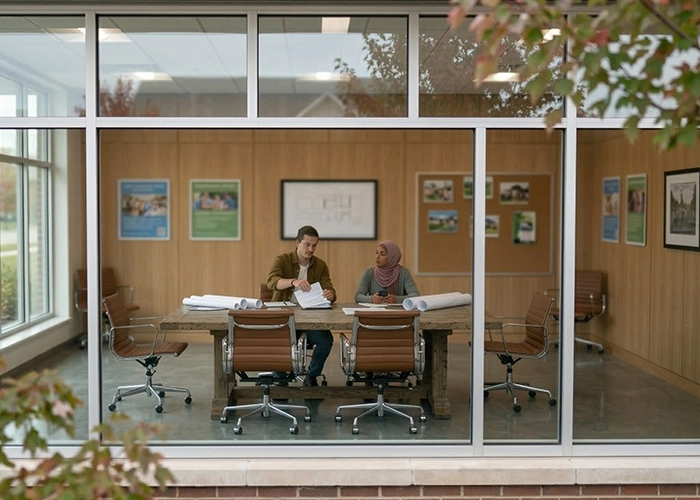
Many boards experience quorum problems at some point. The issue rarely comes from one single cause.
Instead, it usually reflects a combination of engagement challenges and logistical issues.
Lack of Homeowner Engagement
Some homeowners do not feel involved in association decisions. If residents believe their participation does not matter, they are less likely to attend meetings.
In larger communities, homeowners may assume that someone else will attend and represent the neighborhood’s interests.
Over time, this mindset leads to declining attendance.
Scheduling Conflicts
Meeting times can affect participation significantly. Evening meetings work for many residents, but not all.
Families with children, homeowners who travel for work, or residents with shift schedules may find it difficult to attend.
Even a well-organized meeting may struggle to attract enough participants if the timing is inconvenient.
Poor Communication
Sometimes the problem is simple. Homeowners may not know that a meeting is taking place.
If notices are unclear, sent too late, or buried in email inboxes, attendance can suffer.
Clear communication plays a major role in achieving quorum.
Lack of Awareness About Quorum Importance
Many homeowners do not realize that their attendance directly affects whether decisions can be made.
Without that understanding, meeting invitations may seem optional rather than necessary.
Boards that explain the importance of quorum often see better participation.
Strategies to Prevent HOA Meeting No Quorum Situations
While quorum challenges are common, boards can take steps to reduce the risk.
Improving communication and making meetings easier to attend can significantly increase participation.
Send Clear and Early Meeting Notices
Meeting notices should go out well in advance. This gives homeowners enough time to plan their schedules.
Clear subject lines, concise details, and reminders help ensure residents see the message.
Associations often use several communication channels at once, including:
- Email announcements
- Community newsletters
- HOA portals
- Posted notices in common areas
Multiple reminders increase the chance that homeowners will attend.
Encourage Proxy Voting
Proxies allow homeowners to participate even when they cannot attend the meeting.
A homeowner can authorize another person to vote on their behalf. This still counts toward quorum in many associations.
Proxy forms should be easy to understand and simple to submit.
Boards often include proxy forms with meeting notices to make the process convenient.
Offer Virtual Attendance Options
Technology has made participation much easier.
Virtual meetings allow homeowners to join from home, work, or while traveling. This flexibility helps remove one of the biggest barriers to participation.
Many associations now use video platforms or HOA management software that supports remote meetings and voting.
Even hybrid meetings, where homeowners can attend either in person or online, can significantly improve turnout.
Explain Why Participation Matters
Boards sometimes assume homeowners understand why meetings matter. In reality, many residents do not.
Sharing examples can help.
For instance, explaining that budget decisions, rule changes, or community improvements require quorum may motivate homeowners to participate.
When residents see the connection between meetings and real community outcomes, engagement often increases.
The Role of HOA Management Companies in Achieving Quorum

Professional HOA management companies can play a valuable role in helping communities reach quorum.
Managers often assist with meeting preparation, communication, and recordkeeping.
They can also help ensure that meeting notices comply with governing documents and state requirements.
A management team may handle several key tasks:
- Preparing meeting notices and agendas
- Distributing proxy forms
- Sending reminders to homeowners
- Coordinating virtual meeting platforms
- Tracking attendance and verifying quorum
These steps make the process more organized and efficient.
Many communities find that professional management improves meeting participation simply because communication becomes more consistent.
When homeowners receive clear and timely updates, they are more likely to engage.
Legal Considerations When There Is No Quorum
Even when quorum is not reached, boards must still follow proper procedures.
Meeting minutes should reflect that quorum was not achieved and that the meeting was adjourned without conducting official business.
Transparency matters in these situations. Proper documentation ensures the association remains compliant with its governing documents.
Boards should also avoid taking unofficial votes or making decisions outside of a properly convened meeting.
Doing so can create legal complications.
If quorum problems occur frequently, the board may consider reviewing its governing documents. Some associations amend their bylaws to adjust quorum thresholds or allow additional participation methods.
However, any changes must follow the amendment procedures outlined in the documents.
How HOA Boards Can Build Long-Term Engagement

Solving quorum issues often requires more than adjusting meeting procedures.
Communities that build strong homeowner engagement tend to experience fewer attendance problems.
Regular communication is one of the most effective strategies. When homeowners receive updates about community projects, improvements, and financial planning, they feel more connected to the association.
Community events can also help.
Neighborhood gatherings, volunteer projects, or seasonal celebrations give residents opportunities to interact with the board in a relaxed environment.
As relationships grow stronger, homeowners often become more willing to attend meetings and participate in community decisions.
Engagement builds gradually, but its impact on quorum can be significant.
Keeping HOA Meetings Productive and Well Attended
When meetings are efficient and respectful of homeowners’ time, participation tends to increase.
Long meetings filled with technical discussions can discourage attendance.
Boards should aim for structured agendas, focused discussions, and clear outcomes.
Homeowners are more likely to return when meetings feel organized and worthwhile.
Posting meeting summaries or highlights afterward can also help. Residents who could not attend still stay informed, which may motivate them to participate next time.
Over time, this consistency builds trust between the board and the community.
Final Thoughts on Handling HOA Meeting No Quorum Situations
An HOA meeting no quorum situation can delay important decisions, but it does not have to disrupt community operations. With better communication, flexible participation options, and consistent homeowner engagement, many associations can improve meeting attendance.
If your association struggles with meeting attendance or governance challenges, professional guidance can make a difference.Work with an experienced HOA management team to keep meetings productive, compliant, and well attended.
Related Articles
Trending Now
Related Article

Sign up for Our Monthly Newsletter
Sign up below for monthly updates on all HOA Resource