
HOA Winter Maintenance: How to Prevent Frozen Pipes
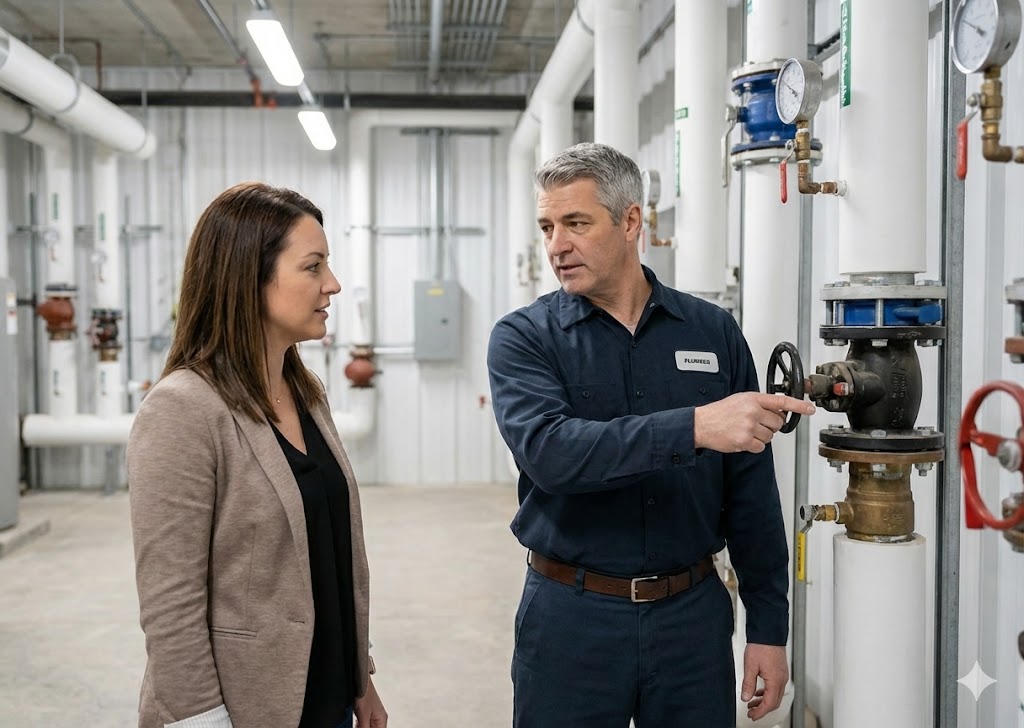
Frozen pipes can turn a quiet winter morning into a flooded hallway and an angry crowd of residents. When your board plans ahead to prevent frozen pipes, you protect property, your budget, and trust in the association. A clear winter maintenance plan keeps water moving, buildings warm, and surprises to a minimum.
Browse By Category
Sign up for Our Newsletter

Sign up for Our Newsletter
Trending Now
Frozen pipes can turn a quiet winter morning into a flooded hallway and an angry crowd of residents. When your board plans ahead to prevent frozen pipes, you protect property, your budget, and trust in the association. A clear winter maintenance plan keeps water moving, buildings warm, and surprises to a minimum.
How Boards Prevent Frozen Pipes
Every HOA already juggles landscaping, snow removal, and reserves once cold weather arrives. It helps to treat plumbing protection as another core part of winter maintenance, not an optional extra. When the board sets a goal to prevent frozen pipes across the community, everyone has a clearer sense of what to watch for.
Start by looking at your buildings the way a plumber would. Think about where water enters, where it runs through unheated spaces, and which areas are hardest to access in an emergency. Mapping out those weak spots makes it easier to target projects, schedule inspections, and decide how much to budget before freezing temperatures arrive.
Good planning also means deciding who does what. Boards that assign specific winter tasks to vendors, committee members, and the management company are in a better position to prevent frozen pipes, avoid frozen pipes in problem areas, and respond quickly when something goes wrong.
Why Frozen Pipes Matter
Water expands as it freezes, and that pressure can split a pipe that seemed fine the day before. Once temperatures rise again, that split can send water into walls, ceilings, and common areas before anyone notices. In a shared building, one frozen pipe can damage several units at once.
For HOAs, the damage is about more than one repair invoice. A burst pipe can lead to soaked drywall, ruined flooring, mold concerns, and weeks of coordination between owners, vendors, and insurers. Depending on your master policy and deductibles, a single winter incident can eat up a big part of the operating budget or reserves.
There is also a human side to the problem. Residents who come home to water damage feel stressed and frustrated. If they are unsure who is responsible or why the problem happened, they may blame the board. Showing that you worked to prevent frozen pipes can go a long way in those conversations.
Where Pipes Tend to Freeze
Pipes rarely freeze in the middle of a warm, busy room. Trouble usually shows up in the cold, forgotten corners of the property. Unheated mechanical rooms, crawl spaces, exterior walls, parking garages, and storage areas are all common trouble spots.
Vacant or rarely used units deserve extra attention as well. A home that sits empty with the heat turned down can cool off quickly during a cold snap. Pipes near exterior walls in those units can freeze and burst before anyone realizes there is a problem, especially overnight or over a holiday.
It helps to create a simple list or map of high risk locations around the community. Mark where the main shutoff valves are, which pipes pass through unheated areas, and which buildings have older plumbing. That map can guide both preventive work and emergency response when you are trying to stop pipes from freezing further or limit damage from a burst line.
Protecting Common Areas
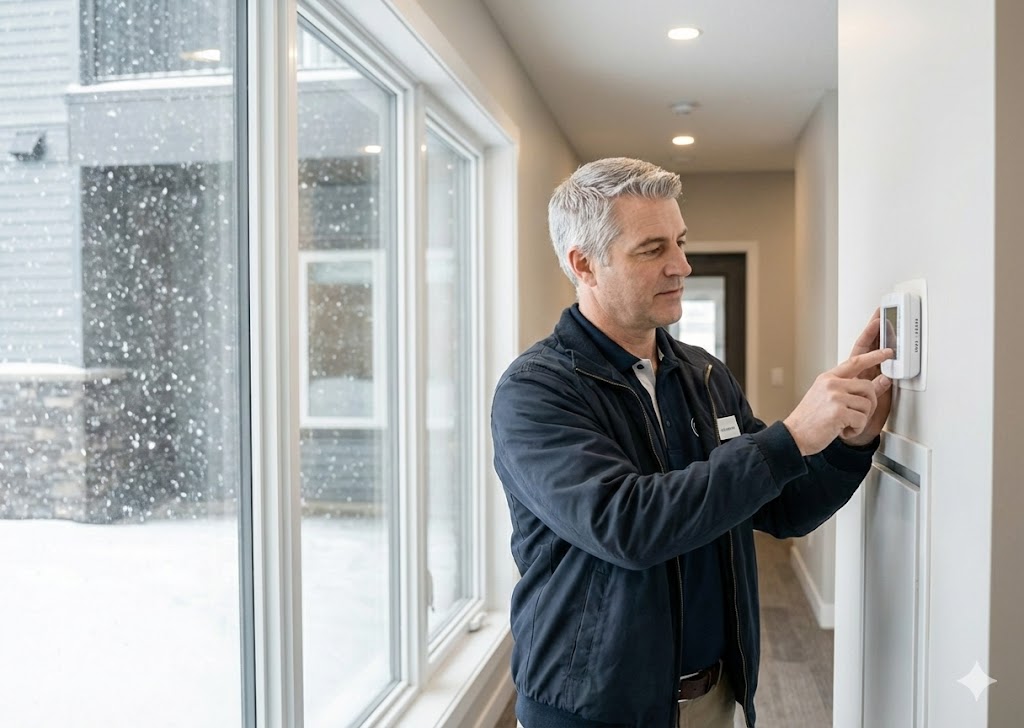
Board members have the most control over common elements. Focusing on shared plumbing is one of the fastest ways to avoid frozen pipes that affect many homes at once. That includes clubhouse kitchens, restrooms, laundry rooms, pool houses, and maintenance buildings.
Before the first hard freeze, schedule a walk-through with your maintenance team or plumber. Look at exposed pipes, hose bibs, sprinkler lines, and any plumbing that runs along exterior walls. Simple upgrades can sharply reduce your risk:
- Add foam insulation sleeves to exposed pipes in unheated or drafty spaces
- Drain and shut off outdoor hose bibs, irrigation systems, and pool lines for the season
- Seal obvious drafts around doors, windows, and wall penetrations near plumbing
- Keep mechanical rooms and other areas with key pipes at a steady, safe temperature
Once those tasks are done, keep a record of what was checked and when. A basic winter plumbing checklist makes it easier to repeat the same steps next year and to show residents that the board has taken reasonable measures to prevent frozen pipes in shared spaces.
Helping Residents at Home
Most pipe freezes start inside individual homes, where the HOA has less direct control. The board may not be able to walk through every unit, but it can share clear, friendly reminders about simple steps owners can take to prevent frozen pipes inside their walls.
Short, practical tips usually work best. Consider sharing a winter reminder that encourages residents to:
- Keep the heat on to a safe minimum, even when away from home
- Open cabinet doors under sinks on exterior walls during extreme cold
- Let a small trickle of water run from faucets served by exposed or exterior pipes
- Know where their individual shutoff valve is located in case of an emergency
You can send these reminders by email, mailers, community apps, or notices in common areas. When you repeat the same message before each cold front, residents are more likely to act. Over time, this shared effort between the board and owners can prevent frozen pipes and reduce community-wide damage.
Winter Policies and Communication
Some communities choose to adopt specific winter policies to support their maintenance goals. For example, your governing documents may already allow the board to require a minimum indoor temperature or to enter units in a clear emergency. Reviewing those rules before winter helps everyone understand what can be done if frozen pipes threaten common property.
Clear communication is just as important as the rules themselves. Let residents know how the association handles severe cold, what the board expects from owners, and what to do if they suspect a pipe is frozen. Simple instructions like who to call first, how to safely shut off water, and what information to share can save precious minutes.
It may help to plan a basic communication timeline. In early fall, send a general winter preparation guide. As the first serious cold front approaches, send a shorter reminder that focuses on how to avoid frozen pipes and what to do during the coldest nights. After any incident, update the community on what happened and what changes you plan to make.
Planning for Extreme Cold

Even strong preparation cannot remove every risk, especially during record cold. It is smart to decide ahead of time how your community will react when a major cold snap is in the forecast. Watching local weather alerts and setting internal triggers for extra checks can help you stay ahead of sudden drops in temperature.
During very low temperatures, consider extra steps in your high risk areas. That might include raising thermostats in common buildings, checking known weak spots more often, and asking on-site staff to listen for unusual sounds from mechanical rooms. A quick walk-through can catch a frozen pipe before it bursts.
If a pipe does freeze, safety comes first. Residents and staff should avoid using open flames or risky space heaters to thaw pipes. Instead, encourage them to contact a licensed plumber, keep faucets open so thawing water can move, and shut off the main valve if a leak is suspected. A calm, simple response plan can help stop pipes from freezing further and limit any water damage.
Who Pays for Frozen Pipes
Confusion over responsibility often causes as much stress as the water damage itself. Before winter arrives, boards should review their governing documents and insurance policies to understand who is responsible for which parts of the plumbing system. In many communities, owners handle anything that serves only their unit, while the association manages main lines and shared pipes.
Insurance coverage adds another layer. The HOA master policy may cover damage to common elements and certain parts of the building structure, while individual homeowners policies (often called HO-6 policies in condos) cover interior finishes and personal belongings. Large losses may bump up against deductibles or require several policies to respond.
It can help to create a simple summary that explains, in plain language, how frozen pipe claims are usually handled in your community. Work with your insurance agent and association attorney to confirm the details, then share that summary with residents. When people know in advance how costs are likely to be split, it is easier to discuss repairs in a fair and calm way.
Working With Vendors
HOA boards do not have to handle winter plumbing protection on their own. Plumbers, HVAC contractors, irrigation specialists, and other vendors can offer site-specific advice and help find affordable ways to protect your systems. Regular service visits before winter can catch small issues before they become big emergencies.
It is wise to review your vendor list with winter in mind. Make sure you have a reliable plumber who offers emergency service, confirm current contact numbers, and understand any after-hours fees. Your manager can help track contracts, schedule inspections, and keep proposals organized so the board can make clear decisions.
A good HOA management company can also support education efforts for residents. They can help draft winter notices, gather vendor recommendations, and coordinate responses if several buildings are affected at once. When your partners understand that the goal is to prevent frozen pipes across the whole community, they can align their work with that priority.
Avoidin Trouble
Frozen pipes will always be a risk in cold climates, but they do not have to be a yearly crisis for your community. With smart planning, clear communication, and a focus on both common areas and individual homes, your board can prevent frozen pipes, avoid frozen pipes in key locations, and keep winter as calm as possible for everyone who lives in the neighborhood.
Related Articles:
Trending Now

Related Article

Sign up for Our Monthly Newsletter
Sign up below for monthly updates on all HOA Resource