Questions to Ask HOA Vendors: Finding the Right Contractor for Your Community
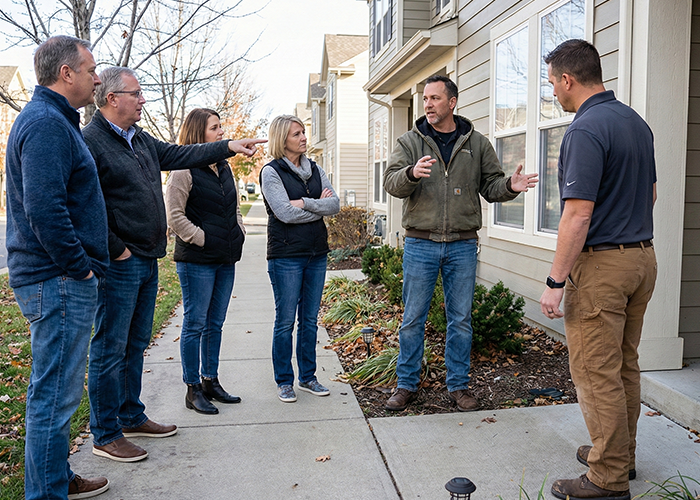
Selecting the right contractor can shape how smoothly an entire homeowners association operates, so you need to know the right questions to ask HOA vendors. A single poor vendor decision often creates ripple effects that affect budgets, trust, and day-to-day community life.
Browse By Category
Sign up for Our Newsletter

Sign up for Our Newsletter
Trending Now


Selecting the right contractor can shape how smoothly an entire homeowners association operates, so you need to know the right questions to ask HOA vendors. A single poor vendor decision often creates ripple effects that affect budgets, trust, and day-to-day community life.
Why Knowing the Right Questions to Ask HOA Vendors Matter
The process of choosing contractors begins long before any contract is signed. Questions to ask HOA vendors should be treated as a structured conversation rather than a checklist. Boards that approach this step with patience and curiosity usually receive clearer answers and better long-term outcomes.
Many associations rush this stage because of time pressure or mounting maintenance issues. That urgency can lead to superficial vetting and assumptions about a contractor’s reliability. Careful planning around questions to ask HOA vendors reduces that risk and helps boards feel confident in their choices.
Strong vendor relationships often grow from transparency on both sides. Contractors who welcome detailed questions typically take pride in their work and understand HOA dynamics. When boards consistently prioritize questions to ask HOA vendors, expectations become clearer, conflicts decrease, and projects move forward more smoothly.
Reputation Beyond the Brochure

A polished website or professional proposal does not automatically guarantee quality. Real reputation comes from consistent performance across multiple communities over time. Board members benefit from looking past marketing materials and focusing on documented experience.
Online reviews, references, and word-of-mouth feedback carry significant weight in the HOA world. Conversations with other boards provide insight into how a contractor behaves under pressure. Patterns of reliability, responsiveness, and professionalism usually emerge quickly.
A strong track record suggests that a vendor understands HOA governance, budgets, and resident concerns. That familiarity reduces misunderstandings and improves collaboration. Reputation, when carefully evaluated, becomes one of the most valuable indicators of future performance.
Proof of Legitimacy
Proper licensing and insurance protect both the association and the contractor. Many boards assume compliance without verification, which can create serious liability problems later. Requests for documentation should feel routine rather than confrontational.
Valid business licenses demonstrate that a vendor operates legally within the state and local jurisdiction. General liability insurance and workers’ compensation coverage further reduce financial risk for the community. Certificates of insurance should list the HOA as additionally insured whenever applicable.
Background checks and safety records also deserve attention, especially for vendors who work on-site regularly. A history of violations or unresolved complaints can signal deeper operational issues. Thorough due diligence in this area safeguards the association and its residents.
Clarity Around Scope
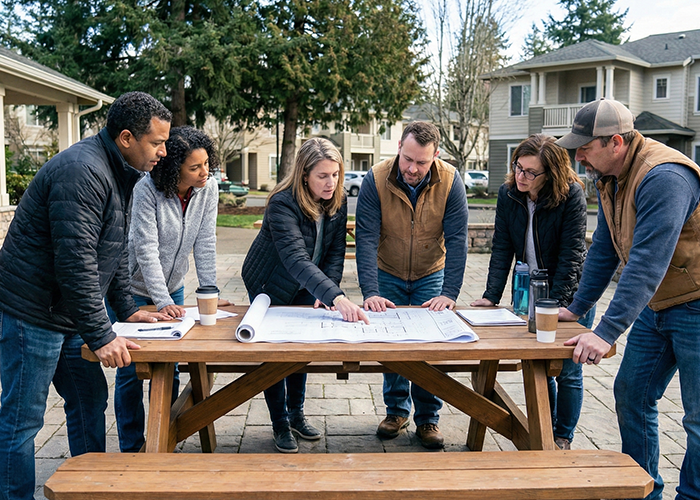
Ambiguity in project scope often leads to budget overruns and frustration. Detailed discussions about what is included, excluded, and expected should occur early in the process. Well-defined boundaries prevent misunderstandings once work begins.
Contractors should be able to describe their process in clear, straightforward terms. Timelines, milestones, and responsibilities need to be spelled out before any agreement is finalized. Vague promises tend to create disputes rather than solutions.
Written proposals serve as critical reference points throughout a project. Specific language about materials, methods, and deliverables protects both parties. Clear scope documentation transforms questions to ask HOA vendors into measurable commitments.
How Pricing Really Works
Cost transparency remains one of the most sensitive aspects of vendor selection. Some contractors present attractive base prices while hiding additional charges in fine print. Boards should probe deeply into how estimates are structured and adjusted.
Line-item breakdowns reveal whether pricing aligns with industry standards. Discussions about change orders, unexpected repairs, and seasonal fluctuations prevent unpleasant surprises. A trustworthy vendor explains pricing logic rather than deflecting inquiries.
Long-term value often outweighs the lowest bid. Cheaper proposals sometimes rely on inferior materials or rushed labor. Careful evaluation of total cost, including maintenance and warranties, leads to wiser financial decisions for the association.
How Communication Actually Happens
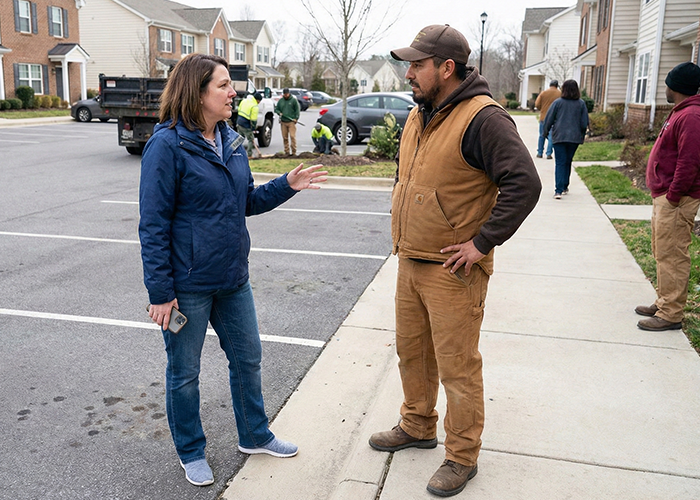
Regular communication keeps projects on track and builds trust. Boards need clarity about who serves as the primary point of contact. Response times, preferred channels, and escalation procedures should be established upfront.
Some vendors rely heavily on email, while others prioritize phone calls or project management platforms. Understanding these preferences helps avoid delays and misinterpretations. Consistent updates also reassure residents when work affects daily life.
Accountability becomes easier when communication expectations are documented. Meeting schedules, progress reports, and site visits create structure and transparency. Strong communication habits often distinguish good contractors from exceptional ones.
What Happens After the Work
Completion does not end the relationship between an HOA and its contractor. Warranties, maintenance agreements, and follow-up services shape long-term satisfaction. Boards should ask detailed hoa contractor questions about post-project support.
Quality vendors stand behind their work and address issues promptly. Written warranties clarify what is covered and for how long. Clear maintenance plans help preserve investments and extend the lifespan of repairs or installations.
Follow-up inspections also matter, especially for large or complex projects. Scheduled reviews allow both parties to assess outcomes and make adjustments if necessary. Continued collaboration reinforces accountability and professionalism.
Fit With the Community
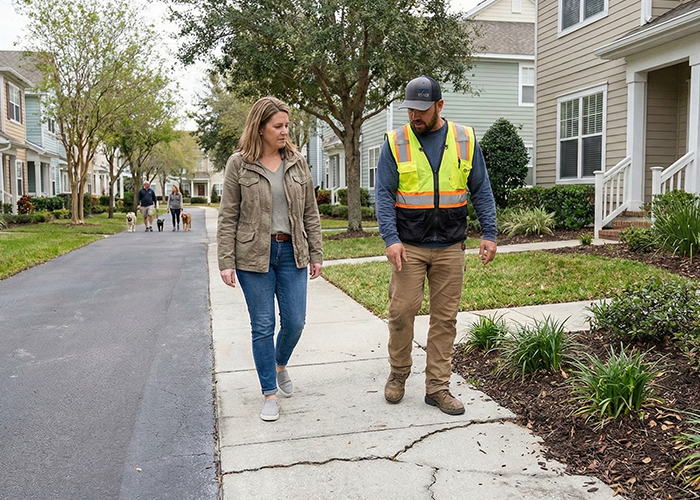
Technical competence alone does not guarantee success in an HOA setting. Contractors must understand the unique culture, rules, and sensitivities of community living. Respectful behavior toward residents often proves just as important as technical skill.
Professional conduct on-site reflects directly on the association’s leadership. Vendors who communicate politely, keep job sites clean, and minimize disruption build goodwill. Boards should include hoa vendor questions that assess temperament and customer service.
Cultural fit also influences long-term partnerships. Contractors who appreciate HOA governance tend to collaborate more effectively with boards and managers. Alignment in values and expectations creates smoother projects and fewer conflicts.
A Practical Board Checklist
A short, focused checklist can help boards stay organized without becoming overly rigid. This tool should support thoughtful discussion rather than replace deeper evaluation. The following points work well as a quick reference.
- Documentation of licenses, insurance, and certifications.
- Detailed written scope, timeline, and payment structure.
- Clear communication plan with named contacts.
- Written warranties and maintenance commitments.
This checklist reinforces consistency across vendor reviews. Boards can adapt it to match their community’s priorities and past experiences. Simplicity often leads to better decision-making.
Choosing With Confidence
Strong vendor partnerships grow from preparation, patience, and transparency. Communities that invest time in thoughtful vetting typically experience smoother projects and stronger relationships. Careful attention to questions to ask HOA vendors ultimately protects the association’s finances, reputation, and quality of life.
Related Articles:
- HOA Governing Documents: A Practical Guide for Everyday Communities
- 9 Benefits Of A Website Refresh For Your Website
- HOA Executive Committee: Do HOAs Need One?
Trending Now

Related Article



Sign up for Our Monthly Newsletter
Sign up below for monthly updates on all HOA Resource