
Thanksgiving Fire Safety for HOA Communities: A Practical Guide
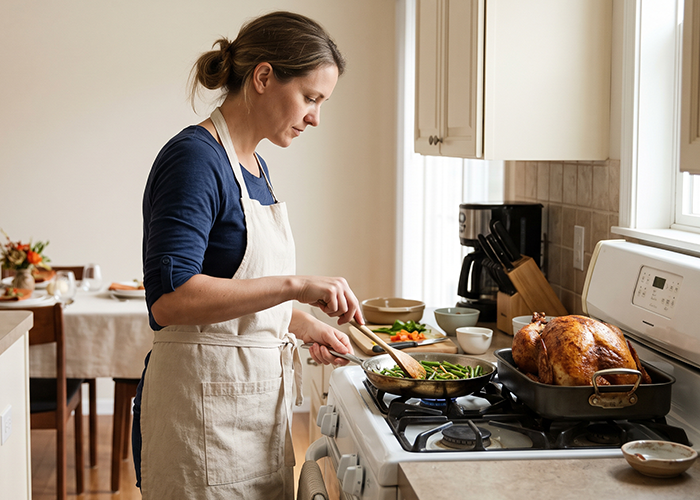
With clear communication and a few simple habits, HOA communities can help residents enjoy the holiday while protecting homes and shared spaces.
Browse By Category
Sign up for Our Newsletter


Sign up for Our Newsletter
Trending Now

With clear communication and a few simple habits, HOA communities can help residents enjoy the holiday while protecting homes and shared spaces.
Start With Shared Planning
Cooking fires are a concern every day, but Thanksgiving is the peak day of the year for home cooking fires, according to the National Fire Protection Association.
In an HOA community, one incident can affect more than the home where it starts. Smoke may reach nearby units, a fire can spread through connected buildings, and emergency vehicles may need clear access through shared roads. A fire can also disrupt common areas, damage community property, or leave neighbors temporarily displaced.
These risks do not mean residents should avoid hosting Thanksgiving. They are a reason to plan ahead and make fire safety part of the holiday conversation. Boards and managers can share a brief reminder before the holiday, while residents can take practical steps inside their homes and around the property.
Why Thanksgiving Creates More Fire Risk
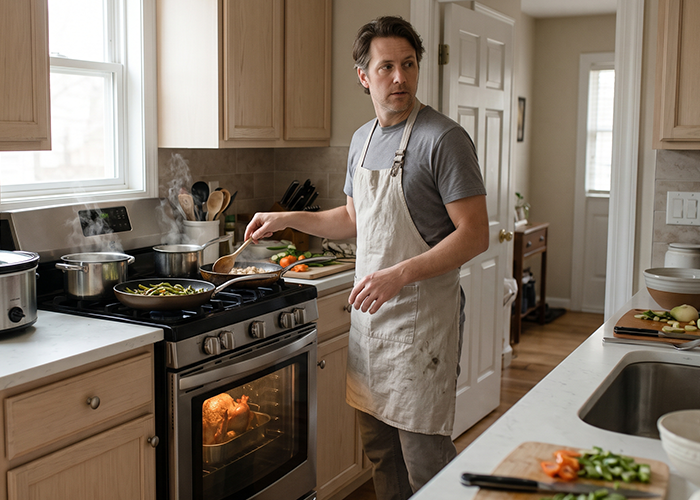
Holiday cooking changes the way people use their homes. A meal may involve the oven, several burners, a slow cooker, a roaster, warming trays, and extra outlets. When many devices run at the same time, a cook may not notice a pan beginning to smoke or a cord becoming hot.
Distractions are another common factor. A resident may leave the kitchen to greet a guest, answer the door, check on a child, or bring a dish to a neighbor. Even a short absence can matter when oil is heating or food is cooking on a stovetop.
The layout of an HOA community can add its own challenges. Townhomes, condominiums, and apartments may share walls, ceilings, garages, balconies, or hallways. A fire that starts in one unit can become a concern for other residents, especially if smoke alarms do not work or exit paths are blocked.
That is why prevention and readiness both matter. Residents can reduce common ignition risks, and the association can help make sure community information, access routes, and shared safety features receive attention before the holiday.
Keep the Kitchen Focused on Cooking
The safest place for a cook is close to the food. Stay in the kitchen when frying, grilling, or cooking on the stovetop. If food needs a long bake or simmer, set a timer and check it as directed. Before stepping away, turn off the burner or ask another responsible adult to watch the food.
Keep anything that can burn away from the cooking area. This includes oven mitts, paper towels, packaging, wooden utensils, dish towels, and reusable shopping bags. A clear zone around the stove gives residents room to move and lowers the chance that a loose item will touch a hot burner.
Clothing matters, too. Loose sleeves, scarves, and dangling accessories can catch on a pot handle or brush against a flame. Turn pot handles inward so they do not stick out over the edge of the stove, where someone could bump them or pull them down.
A few simple habits can keep the kitchen calmer:
- Keep children and pets at least three feet from the stove and other hot cooking areas.
- Move hot dishes and drinks away from table and counter edges.
- Use a timer for food that needs a longer cook time.
- Keep a fitted lid close to the pan when cooking with oil.
- Ask guests to stay out of the work area while hot food is being carried.
The point is not to make the kitchen feel restricted. It is to create a little space for the person cooking and to keep small distractions from turning into a larger problem.
Use Turkey Fryers With Care
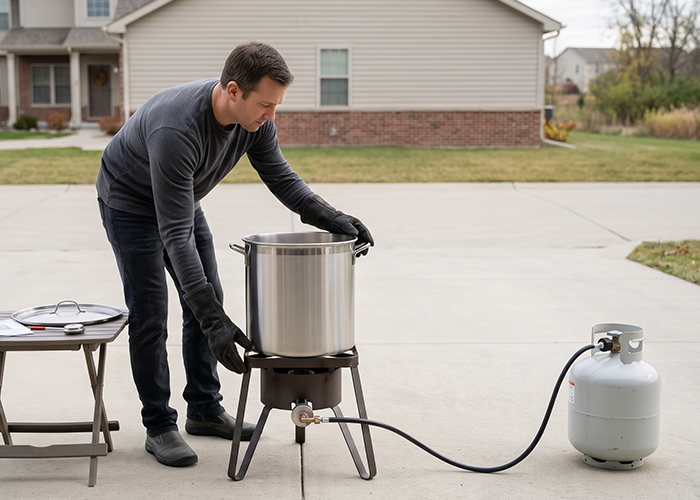
A turkey fryer that uses hot oil can cause severe burns and fast-moving fires. The NFPA discourages outdoor oil turkey fryers for home use because of the serious risks involved. Residents who want a similar meal can consider buying a prepared fried turkey or using an appliance designed as a safer alternative, such as an electric turkey fryer, while following its instructions.
If a resident chooses to use an outdoor oil fryer, placement and setup are critical. Use it outdoors on a level, stable, noncombustible surface, well away from the home, garage, deck, trees, and anything that can burn. Never use it inside or under an overhang, and keep children and pets at a safe distance.
Oil can spill over when a turkey is lowered into a pot, especially if the pot is overfilled or the bird is still frozen or wet. Follow the manufacturer’s instructions for the appliance and the amount of oil. Make sure the turkey is fully thawed and dry, and lower it slowly. Do not leave the fryer unattended, and do not move it while the oil is hot.
HOA rules may address grills, cooking equipment, or open flames on balconies and patios. Residents should review their community’s current rules before setting up a fryer or other outdoor cooking device. Boards can remind homeowners to check the rules, but any restrictions should match the governing documents, local fire codes, and advice from the association’s counsel.
Prevent Grease and Oven Fires From Spreading
A grease fire can become worse if someone uses water or tries to carry the pan. If a small fire starts in a pan, slide a lid over it, turn off the burner if it is safe to do so, and leave the pan covered until it cools. Never pour water on a grease fire. If the fire does not go out right away, or if the person is unsure what to do, leave the home and call 911 from outside.
For an oven fire, turn off the heat and keep the oven door closed. Opening the door can feed the flames with more oxygen and allow fire or smoke to escape into the kitchen. If flames spread beyond the oven or the fire grows, everyone should leave and call 911.
A fire extinguisher can help with some small fires, but it is not a reason to stay in a dangerous room. Residents should know where the extinguisher is and understand how to use it before an emergency. When a fire is growing, smoke is thick, or an exit is at risk, get out and call the fire department.
No one should try to fight a fire if doing so delays evacuation or places them between the fire and an exit. Once outside, stay outside and tell firefighters if anyone may still be inside. A quick call for help is more important than saving a meal or household item.
Check Smoke Alarms and Escape Routes
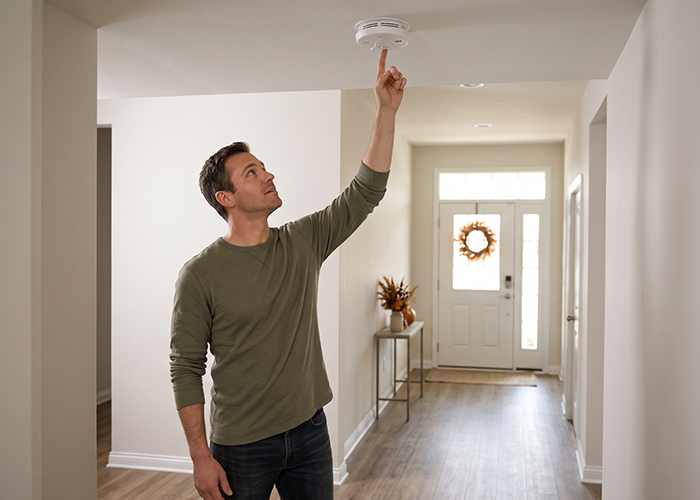
Smoke alarms give residents an early warning, but only if they work. Before Thanksgiving, residents should test alarms and replace batteries or units as needed. U.S. Fire Administration guidance recommends smoke alarms on every level of a home, inside each bedroom, and outside sleeping areas. Residents should follow local code and the alarm manufacturer’s instructions.
People who rent or own a home in a multifamily building should know what to do when an alarm sounds. They should leave using the nearest safe exit, close doors behind them when possible, and avoid elevators during a fire. Everyone in the household should know a second way out if the main exit is blocked.
HOA boards and managers can support readiness by keeping common hallways and exits clear. Holiday decorations, deliveries, bicycles, storage boxes, and furniture should not block stairs, exit doors, fire doors, or access to fire equipment. Emergency vehicles also need open access roads and fire lanes.
A useful pre-holiday review can include:
- Confirm that residents have received current emergency contact and evacuation information.
- Walk shared corridors, stairwells, and exit paths to identify stored items or other obstructions.
- Check that building signs and posted instructions remain visible.
- Remind residents to report damaged alarms, doors, or common-area safety equipment through the association’s normal process.
- Make sure gates, addresses, and access points are easy for emergency responders to identify.
The board should not assume every building has the same alarm or sprinkler system. If the association maintains shared fire protection equipment, it should follow the inspection and maintenance schedule required by local codes and its service providers.
Use Electrical Appliances and Decorations Safely
Many cooks add countertop appliances to handle the holiday meal. Slow cookers, electric roasters, warming trays, and coffee makers can be useful, but they need a safe place to operate. Set them on a dry, stable surface with open space around them, and keep cords away from sinks, walkways, and hot surfaces.
Avoid overloading outlets or plugging several high-wattage appliances into one power strip. Do not run cords under rugs or through doorways where they can be pinched or damaged. If an outlet or plug feels hot, sparks, or smells like burning plastic, stop using it and contact a qualified electrician or the property manager, as appropriate.
Seasonal decorations can also create hazards. Keep candles away from curtains, paper, leaves, and other flammable items. Never leave a candle burning when leaving the room, and consider battery-operated candles in homes with children, pets, or limited space.
Keep Common Areas and Emergency Access Clear
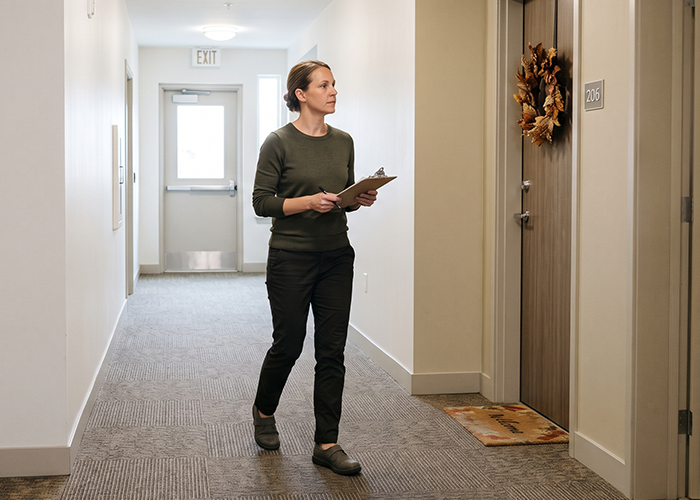
An HOA cannot prevent every household fire, but it can help reduce avoidable risks in shared spaces. The weeks around Thanksgiving often bring extra deliveries, visitors, and decorations. That can lead to packages in hallways, cars parked near fire lanes, or items left in stairwells.
Clear access is especially important in a townhome or condominium community. Fire crews may need to reach a building quickly, connect equipment, or move residents away from danger. A blocked gate, hard-to-read building number, or vehicle in a fire lane can slow that response.
Before the holiday, managers can send a short message that asks residents to:
- Keep hallways, stairwells, exits, and fire lanes free of personal items and vehicles.
- Make sure visitors use approved parking areas and do not block hydrants or access gates.
- Report smoke, burning odors, damaged doors, or other safety concerns promptly.
- Use the association’s process to request help with common-area hazards.
This communication works best when it is clear and respectful. A brief reminder about why the rule exists can help residents understand that open paths protect everyone in the building. If an obstruction creates an immediate danger, follow the association’s established response and local requirements.
Plan Thanksgiving Events in Shared Spaces
Some communities host a potluck, clubhouse meal, or neighborhood gathering. These events can bring residents together, but they need a little planning. Before the event, identify who is responsible for the room, what cooking equipment is allowed, and how the space should be left afterward.
If the event uses a kitchen, grill, or warming appliances, check that the equipment is approved for that space and that someone knows how to operate it. Keep serving tables away from exit paths, avoid running cords across walkways, and assign an adult to watch any appliance that remains on. A slow cooker should not be left unattended in a room after the event ends.
The board or event organizer should also know the location of exits, fire extinguishers, and emergency contact information. If the event is held in a clubhouse, check any posted occupancy limits and avoid placing furniture where it narrows an exit route. Residents should be able to leave the room quickly without moving chairs or decorations.
A simple event plan can answer a few practical questions: Who will inspect the room before opening? Who will monitor cooking equipment? Who will confirm that all appliances are off at the end? Who will report a problem to management? Clear responsibilities reduce confusion and help everyone focus on the gathering.
What HOA Boards and Managers Can Do Before the Holiday
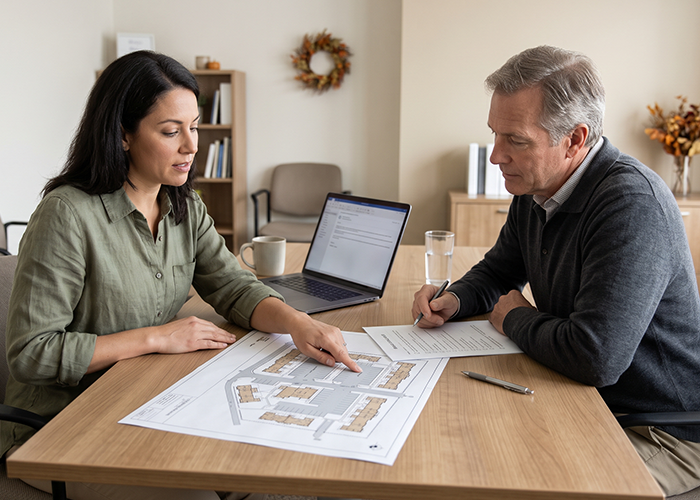
A Thanksgiving safety message does not need to be long or alarming. It should give residents useful information, remind them where to find community rules, and provide a clear way to report a problem. Send it early enough for households to act on it, then share it again through the channels residents use most.
Boards and managers can also review practical items that support emergency response. This may include checking that community maps and building addresses are current, confirming that gate access instructions are available to responders, and ensuring that vendors are scheduled for required inspections of association-maintained equipment. The exact duties vary by community, local code, governing documents, and contracts.
The association should avoid giving residents instructions that conflict with local fire department guidance or the building’s emergency plan. If the community has a fire safety plan, review it with the manager and appropriate professionals. If the board has questions about rules for grills, fryers, candles, or decorations, it should consult the governing documents and local requirements before sending a policy reminder.
Communication should be inclusive and useful. Some residents may have mobility needs, use assistive devices, or need help understanding an alert. Where possible, provide emergency notices in more than one format and make sure residents know how to request assistance or report an access concern. Do not share private health details broadly; use the association’s established process for accommodation requests.
Make Safety Part of the Holiday Welcome
Thanksgiving fire safety starts with simple choices, from staying near the stove to keeping common exits clear.
Share these essential fire safety reminders with residents ahead of the holiday season.
The right partnership starts with HOA Management (.com). Discover trusted vendors and service professionals through our directory.
Related Articles:
Trending Now

Related Article


Sign up for Our Monthly Newsletter
Sign up below for monthly updates on all HOA Resource