Types of HOA Meetings Every Board Member Should Know About

A lot of board work gets done in meetings, so the types of HOA meetings shape how well the association runs. The right format keeps decisions clear, records clean, and homeowners informed. A mismatched meeting, on the other hand, can turn a small issue into a long headache.
Browse By Category
Sign up for Our Newsletter
Sign up for Our Newsletter
Trending Now


A lot of board work gets done in meetings, so the types of HOA meetings shape how well the association runs. The right format keeps decisions clear, records clean, and homeowners informed. A mismatched meeting, on the other hand, can turn a small issue into a long headache.
Types of HOA Meetings: the Big Picture
Most types of HOA meetings fall into two broad groups: open meetings where owners can attend, and closed meetings where private matters are handled. Many boards also use “work sessions” or workshops, which can feel informal but still carry rules.
In practical terms, HOA meeting types should match the job. Routine governance fits a regular board meeting, member voting fits a member meeting, and sensitive topics fit executive session. The same idea applies to the kinds of HOA meetings used for planning, budgeting, and project decisions.
Clarity is the goal. When owners understand why a meeting exists, fewer arguments happen about what belongs on the agenda.
Where the Rules Come From
Several layers of authority shape what a meeting can be and how it must be run. State statutes often set baseline requirements, especially for notice, access, and executive session topics.
Governing documents usually add more detail. Bylaws, CC&Rs, and adopted policies can define quorum, voting thresholds, and who can speak.
Local practice matters too. Some communities expect a more formal approach, while others keep things simpler, as long as legal requirements are met.
Annual Member Meeting

The annual meeting is usually the most visible meeting on the calendar. Board elections, annual reports, and member questions often take center stage.
Quorum tends to decide the mood of the night. When quorum is missed, the meeting can end quickly, and a second attempt becomes necessary.
A tight agenda helps owners stay engaged. Short updates and clear election steps can keep the room focused.
Regular Board Meeting
Regular board meetings handle the ongoing business of the association. Contract approvals, maintenance direction, policy discussions, and follow-ups from prior meetings usually land here.
Open-meeting expectations commonly apply, which means notice and an agenda should be treated as standard operations. Minutes also matter, since this meeting often becomes the association’s public record of board action.
Owner comment time can be included without letting the agenda collapse. A time limit and a clear process tend to reduce friction.
Organizational Board Meeting
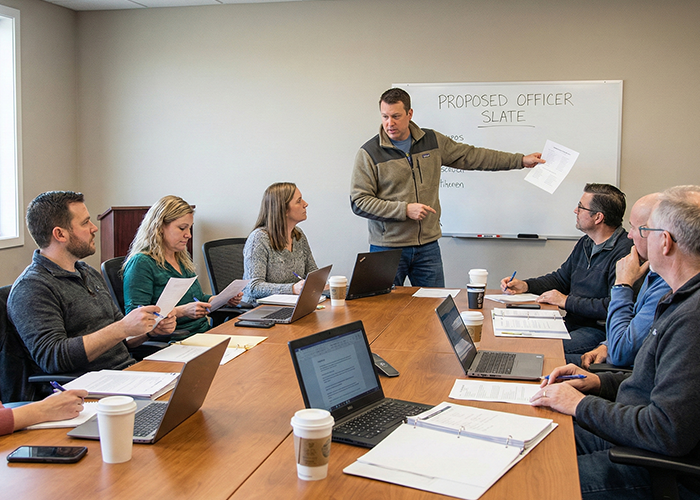
An organizational meeting often follows an election. Officer roles are assigned, signing authority is confirmed, and meeting schedules are set.
Preparation keeps this meeting smooth. A proposed officer slate and a short list of action items can prevent awkward pauses and side debates.
A steady start helps the whole year. When roles and routines are clear early, fewer gaps show up later.
Special Member Meeting
Special member meetings exist for specific owner votes. Amendments, recalls, and certain major approvals often trigger this format.
Notice rules can be strict, especially when the topic is high-stakes. Voting materials, proxies, and eligibility questions also appear more often.
A narrow scope protects the process. Side topics usually belong in another forum.
Special Board Meeting
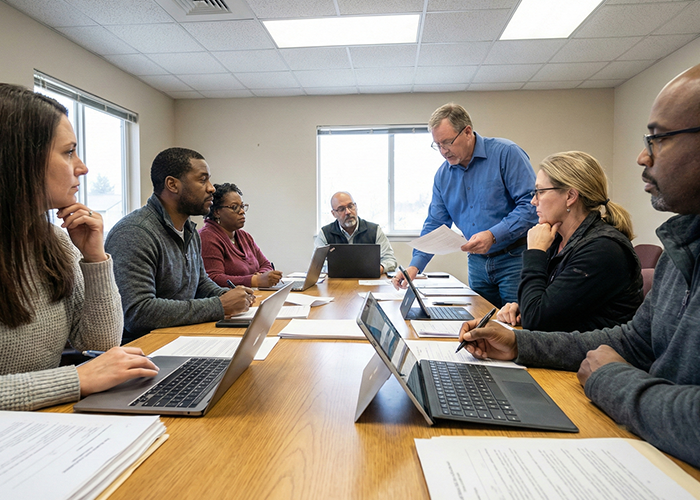
A special board meeting is often called when time-sensitive decisions cannot wait. Contract deadlines, urgent repairs, and immediate legal direction can push a board into this format.
Even with urgency, proper notice and minutes still matter. Those basics often protect the board later if a decision is challenged.
A short agenda keeps the meeting productive. One decision done well can be better than five decisions made in a rush.
Emergency Board Meeting
Emergency types of HOA meetings are meant for true emergencies. Safety hazards, major water damage, and sudden service failures usually qualify.
Definitions vary by state and documents, so careful judgment is needed. An “emergency” label used too often can weaken trust.
Basic records still help, even in a crisis. A short note explaining why immediate action was required can be included in the minutes.
Executive Session

Executive session is the closed setting used for confidential matters. Legal strategy, delinquency actions, personnel topics, and certain enforcement hearings often belong here.
Owners typically cannot attend, and that privacy protects everyone involved. A brief open-session note that executive session occurred is often used, without exposing details.
Discipline keeps this tool credible. A closed meeting used only for proper topics makes open meetings feel more transparent.
Committee Meeting
Committees help boards avoid drowning in details. Architectural review, finance, landscaping, and social committees are common examples.
Authority depends on the documents and board resolutions. Many committees recommend, while the board decides, which keeps accountability clear.
Committee meetings can also reduce board-meeting length. Better prep work often leads to faster board decisions.
Workshop Meetings That Support Better Decisions

Some meetings exist mainly to explore options. These meetings can still count as types of HOA meetings, even when they feel less formal.
Workshops often reduce surprises. Homeowners get context early, and board members gain a fuller picture before a vote.
A workshop should still have a purpose and boundaries. A clear topic prevents the night from turning into a second regular board meeting.
Budget Workshop
A budget workshop gives space to talk through numbers before adoption. Vendor increases, utilities, insurance premiums, and reserve contributions usually get real attention here.
Owners often appreciate this format when it is handled with plain language. A budget makes more sense when the “why” is explained.
Better budget discussions usually follow. Good questions surface early, which can prevent last-minute changes.
Reserve Planning Session
Reserve planning sessions focus on long-term projects and funding. Roofs, pavement, paint cycles, and major mechanical systems often show up here.
Reserve discussions can feel tense, since cost and timing collide. A calm, fact-based meeting tends to reduce drama.
This meeting also supports better bidding. When project timing is mapped early, contractors can be approached with realistic schedules.
Vendor Interview Meeting
Vendor interview meetings help boards compare proposals. Landscaping, security, management, and large repair projects often fit this format.
Consistency matters more than flashy presentations. The same questions asked in the same order can make comparisons fair.
Confidential pricing details sometimes come up. Local rules and legal advice can guide what is discussed in open session.
Rules-Compliance Hearing
Hearings combine due process with board authority. An owner gets a chance to be heard, and the board decides based on evidence and the documents.
Privacy is often appropriate, especially when personal details are involved. Many communities handle hearings within executive session, depending on state law and policies.
Tone can change everything. Calm language and clear documentation often reduce conflict, even when penalties are considered.
Town Hall Session
Town halls are designed for listening and discussion, not voting. Project explanations, community concerns, and open Q&A fit naturally.
This meeting can protect the regular agenda. Owners still feel heard, and formal decisions stay in the right meeting.
Structure keeps it useful. A topic focus and a follow-up plan prevent the session from becoming a venting marathon.
Planning Workshop
Planning workshops focus on direction and priorities. Communication goals, long-term vendor strategy, rule updates, and capital planning often belong here.
Less pressure tends to produce better ideas. A workshop can help board members align before formal votes happen.
Planning is also a trust builder. Owners often respond well when they see a thoughtful roadmap.
Work Session vs Meeting
Many boards use “work sessions” to review information. These sessions might include draft budgets, proposal comparisons, or policy brainstorming.
Some states treat work sessions as meetings when a quorum is present and association business is discussed. That means notice, access, and minutes may still be expected.
A cautious approach reduces risk. When in doubt, the work session should be handled like an open meeting.
Virtual and Hybrid Meetings
Virtual and hybrid meetings can increase attendance. Owners who travel, work late, or face mobility limits often find it easier to join.
Technology adds new problems. Audio issues, unclear voting, and chat disruptions can quickly derail a meeting.
Simple ground rules help a lot. A clear sign-in process, a backup plan, and a reminder that decorum still applies can keep things steady.
Notice and Agenda Basics
Meeting notice sounds simple, but it is often where boards get into trouble. State law and governing documents can dictate posting methods, timelines, and required content.
A reliable process helps everyone. The same posting locations, the same deadlines, and the same format reduce confusion.
Agenda discipline matters too. Items should be described clearly, especially when a vote is expected.
Quorum and Voting Points Board Members Forget
Quorum rules show up in member meetings and sometimes in board meetings, depending on the documents. Low turnout can become a repeated problem without a plan.
Voting thresholds vary widely. Some actions require a majority of those present, while others require a percentage of all owners.
Clean procedures reduce arguments. Ballots, proxies, and sign-in sheets should be managed the same way every time.
Owner Participation Without Chaos
Owner input is valuable, but meetings can spiral when boundaries are unclear. A structured open forum keeps participation fair.
A time limit helps the room stay balanced. The same rule applied to every speaker reduces claims of favoritism.
Follow-up matters too. A short written response plan, even when the answer is “not yet,” builds credibility.
Minutes and Records That Protect the Board
Minutes should reflect actions, not a transcript. Motions, votes, key directives, and assigned tasks are usually the most important parts.
A consistent template helps accuracy. Meeting date, time, attendance, decisions, and executive session notes can be captured cleanly.
Records also include agendas, notices, and approved contracts. Good files often make disputes easier to resolve.
Meeting Conduct and Board Etiquette
Meeting tone often becomes the community’s perception of the board. Calm leadership and clear rules can prevent an argument from becoming a scene.
Ground rules can be stated at the start. Expectations around interruptions, personal attacks, and time limits tend to work when enforced evenly.
Professionalism should not feel cold. A respectful, steady approach can still feel welcoming.
Conflicts of Interest and Recusal Moments
Conflicts of interest show up more often than boards expect. Vendor relationships, family connections, and business ties can create risk.
Disclosure is usually the first step. Recusal may also be needed, depending on the situation and local requirements.
Transparency protects everyone. A short note in the minutes that a board member abstained can help later.
The Annual Meeting Calendar
A predictable calendar reduces last-minute stress. Regular board meetings, committee meetings, and workshops can be set at the start of the year.
Seasonal rhythms matter. Budget work often ramps up before adoption, and maintenance planning often rises before peak weather seasons.
A calendar also helps homeowner engagement. Owners attend more often when dates feel stable.
Working With Management and Counsel
Management companies often handle logistics, notice, and minutes support. A strong partnership can improve meeting flow.
Legal counsel may be involved for specific items. Executive session topics, enforcement, and contract disputes often trigger legal input.
Clear roles prevent confusion. Board authority stays with the board, professionals can handle support tasks.
Common Meeting Mistakes That Create Big Problems
Poor notice is a frequent issue. Even when the decision is reasonable, procedural errors can make it appear unfair.
Loose executive seon non-confidential topics often breedssed for non-confidential topics often causes distrust.
Agenda creep also hurts. A meeting that tries to do everything often accomplishes less.
A Simple Meeting Choice Guide
Different HOA meeting types often overlap, so a quick guide helps boards decide where a topic belongs.
- Routine approvals and policy discussions: regular board meeting
- Confidential legal, collections, or personnel matters: executive session
- Owner votes required by the documents: member meeting
- Time-sensitive decisions: special board meeting
- Budget and reserve exploration: workshop
The best choice is usually the simplest one that matches the purpose. When choosing HOA meeting types with that mindset, tension tends to drop.
Steady Meetings, Stronger Communities
A board does not need perfect meetings; it just needs consistent ones. The right types of HOA meetings keep decisions clear and expectations realistic. Over time, that steadiness becomes one of the strongest signals of good governance.
Relate Articles:
Trending Now

Related Article
Sign up for Our Monthly Newsletter
Sign up below for monthly updates on all HOA Resource