

HOA Winter Road Maintenance: Top Priorities
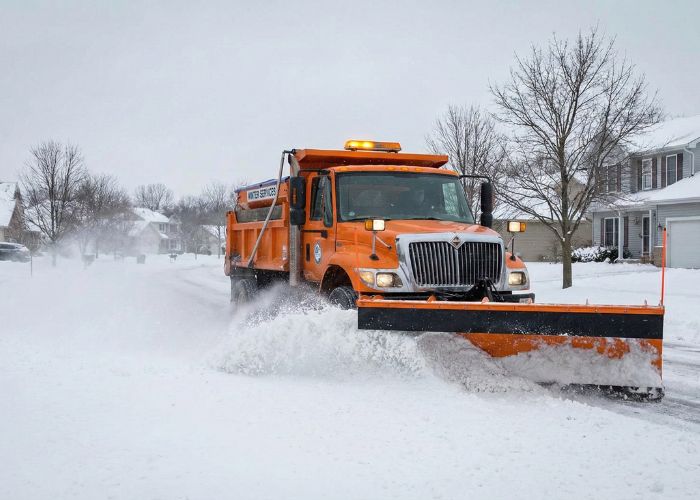
Winter road maintenance can make or break the season for your HOA. When snow and ice arrive, clear and safe streets help residents get to work, school, and appointments without added stress. With some planning and the right priorities, your board can manage winter weather instead of just reacting to it.
Browse By Category
Sign up for Our Newsletter

Sign up for Our Newsletter
Trending Now

Winter road maintenance can make or break the season for your HOA. When snow and ice arrive, clear and safe streets help residents get to work, school, and appointments without added stress. With some planning and the right priorities, your board can manage winter weather instead of just reacting to it.
Why Winter Road Maintenance Matters
Winter road maintenance is about more than plows and salt on the pavement. It affects safety, access, and how residents feel about the community as a whole. People may not notice every hour of planning, but they will notice when streets stay icy for days.
Safe HOA winter roads reduce the risk of vehicle accidents and slips near curbs, crosswalks, and mailboxes. Clear routes also help emergency services move through the neighborhood when time really counts. When your association stays on top of winter road upkeep, it shows that the board is protecting both people and property.
There is also a financial angle to consider. Poorly managed snowy road maintenance can lead to more damage to pavement, drainage structures, and even parked vehicles. Repairs in the spring often cost more than a solid, consistent plan that keeps surfaces treated, plowed, and monitored throughout the winter season.
Clarifying Who is Responsible for HOA Winter Roads
Before the first storm rolls in, your board should confirm which roads are actually the HOA’s responsibility. In some neighborhoods, the city or county handles main streets, while the association takes care of private roads inside the gates. In other communities, the HOA is responsible for nearly every street behind the entry sign.
Review your governing documents, recorded plats, and any written agreements with local agencies. If questions come up, your HOA attorney or community manager can help sort out which roads are public and which are private. Once this is clear, you can focus winter road maintenance efforts where they truly belong.
It also helps to share this information with homeowners in simple terms. A basic map or diagram that highlights the roads serviced by the HOA versus the municipality can reduce confusion. When residents understand who manages which parts of the HOA winter roads, they are more patient and realistic about service levels.
Preparing a Winter Road Maintenance Plan

A smooth winter usually starts in the fall. Before temperatures drop, schedule a walk-through of your streets, sidewalks, and major intersections. Look for potholes, cracked asphalt, standing water, or drainage issues that could freeze and turn into black ice once the weather changes.
Use what you find to update a written winter road maintenance plan. This plan should outline which roads and intersections get treated first, when plowing or salting begins, and who decides when to start services. It should also note how the board or manager will track weather forecasts and storm alerts.
Include basic budget numbers in the plan as well. Think about materials, vendor contracts, equipment, and extra staff hours. A clear plan for winter road upkeep gives your vendors, management team, and board members the same playbook to follow when storms move in.
Top Priorities for Safe and Clear Roads
When snow starts falling, your community will expect quick action. It helps to focus on a short list of top priorities instead of trying to handle everything at once. For most HOAs, keeping main routes open is the first task. These are the roads that lead to entrances, exits, and emergency access points.
Next, pay special attention to hills, curves, and shaded spots that refreeze faster than other areas. These locations can stay slick long after the sun has cleared bare pavement elsewhere. Extra plowing or deicing in these problem zones can prevent minor crashes and close calls.
Pedestrian areas also deserve a place on your priority list. School bus stops, mailbox clusters, community entrances, and clubhouse parking lots all need careful treatment. Even a small windrow of snow in the wrong place can force residents to walk in the street, which raises the risk for both drivers and pedestrians.
Choosing Snow and Ice Treatments Wisely
Most HOAs rely on a mix of plowing and deicing products during the winter. Rock salt is common, but there are also liquid brines and treated products that can be sprayed before a storm. These “anti-icing” steps make it harder for snow and ice to bond to the pavement, which helps plows clear surfaces more effectively.
At the same time, it is important to think about how deicing materials affect landscaping, pets, vehicles, and drainage systems. Some products are harsher on concrete, metal, and nearby plants than others. If your community has ponds, streams, or sensitive green areas, this should be part of your decision.
Talk with your contractor about options that balance safety, cost, and environmental concerns. You can also spell out in your contract which products will be used under different conditions. For example, your agreement can describe when straight salt is appropriate, when sand or grit should be added for traction, and when pre-treatment should happen before a large storm.
Coordinating With Vendors and Staff for Winter Road Upkeep

If your HOA uses a snow and ice vendor, treat that relationship like a partnership. Ask for a plow route map that shows how crews will move through the community and where they will push snow. This helps you spot visibility concerns, sightline issues, or potential drainage problems early.
Clear expectations around response times are just as important. Agree on service triggers such as how many inches of snow must fall before plowing begins and how early crews can start pre-treating. Discuss how they handle storms that begin overnight, ice-only events, or heavier snowfall than expected.
Your community manager can keep communication flowing between the board, residents, and vendor. A quick check-in after major storms, along with a short review of what worked and what needs adjustment, can improve snowy road maintenance across the whole season.
Communication is Key
Even the best winter road maintenance plan will fall flat if residents do not know what to expect. Before winter starts, send out a seasonal message that explains your HOA winter roads policy in plain language. Include when plows usually come through, how on-street parking affects services, and how residents can report unsafe areas.
During storms, short and timely updates are very helpful. Use email, text alerts, your website, or a community app to let people know when crews are on-site and what areas they are focusing on first. It is easier for residents to be patient when they understand the plan and know that certain roads and intersections take priority.
You can also remind residents how they can support winter road upkeep. Ask them to move cars off the street when they can, keep trash carts out of travel lanes, and avoid shoveling snow back into the road. These small actions keep the process efficient and reduce extra passes for your contractor.
Supporting Safe Driving and Parking
While your HOA cannot control every driver’s choices, you can promote safer habits on icy days. Seasonal reminders can encourage lower speeds, longer stopping distances, and extra caution near curves and crosswalks. These messages pair well with visible signage and good road markings at key locations.
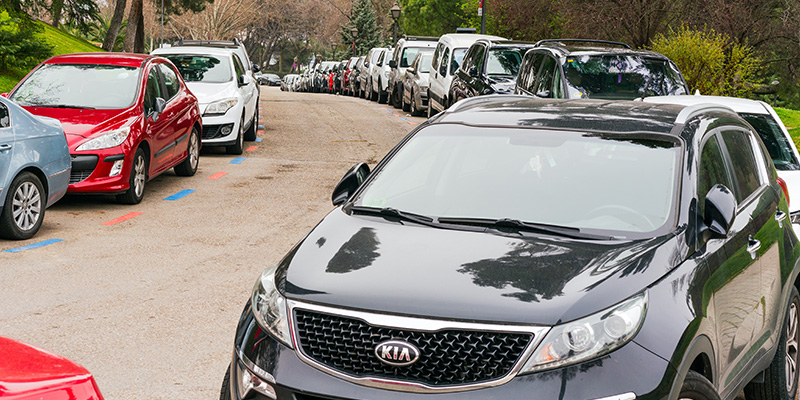
Parking rules matter even more in the winter months. Cars parked on both sides of a narrow street can block plows or force them to leave snow ridges behind. Some associations adopt temporary parking restrictions during larger storms or designate certain streets as snow routes during the season.
If your community allows on-street parking most of the year, make sure winter-only rules are very clear. A simple map, straightforward language, and reminders before major storms can reduce frustration, towing, and conflict between neighbors, while supporting safer winter road maintenance.
Documenting and Reviewing Your Winter Season
Good records are one of the quiet strengths of effective winter road upkeep. Ask your vendor to keep logs of arrival times, services performed, and materials applied. Your manager can collect photos of problem areas and note any follow-up repairs needed in the spring.
These records can support the board if questions arise about service levels, accidents, or slip-and-fall incidents. They also provide solid information for future planning. When you know how many visits and how much material a typical winter requires, you can build more accurate budgets for the next year.
Once winter ends, schedule a short review meeting with your contractor and management team. Look back at what worked well, which sections of HOA winter roads caused the most trouble, and where improvements in drainage, grading, or lighting might help. Over time, this simple habit can raise your standard of winter road maintenance without major surprises.
Working With Your HOA Management Company
Your board does not have to handle winter planning, vendor management, and communication alone. An experienced HOA management company can help compare bids, review contracts, and align service levels with your community’s budget and risk tolerance. Managers often know the local market and can tell you what is typical for response times and pricing in your area.
They can also help you build a communication plan that fits how your residents prefer to get information. Some associations rely on email, while others use text alerts, social channels, or a resident portal. Having consistent messages coming from both the board and management can build trust when conditions are changing quickly.
Most importantly, a strong management partner ties winter road upkeep into your broader maintenance strategy. Decisions about where to store snow piles, which roads to resurface first, and how to phase drainage improvements all connect back to how your HOA winter roads perform during the coldest months.
Keeping Winter Roads Safe
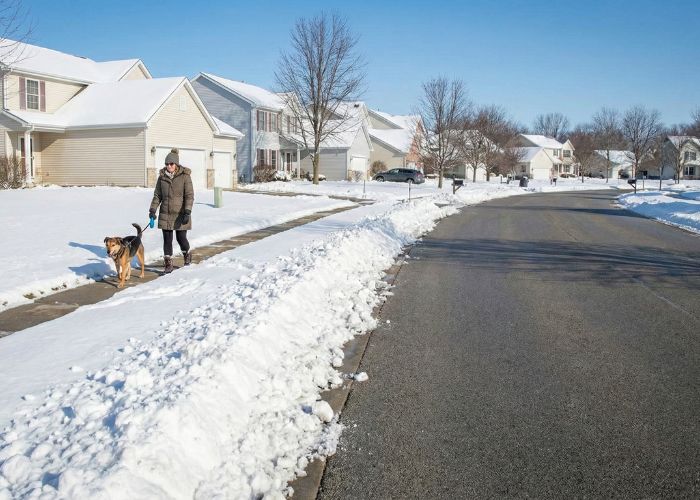
Winter will always bring a few surprises, but your HOA can decide how prepared it wants to be. With clear roles, a simple plan, and regular communication, winter road maintenance becomes a manageable part of caring for the neighborhood. When residents see safe, passable streets after a storm, they feel the value of that work every time they leave the driveway.
Related Articles:
Trending Now
Related Article



Sign up for Our Monthly Newsletter
Sign up below for monthly updates on all HOA Resource