
Most Common HOA Complaints and How to Address Them

Every community has its share of concerns, questions, and frustrations. Some resident complaints are easy to fix, while others point to deeper problems in how the association operates. When your board understands the most common HOA complaints and has a plan to handle them, you can protect both property values and relationships in the community.
Browse By Category
Sign up for Our Newsletter

Sign up for Our Newsletter
Trending Now


Every community has its share of concerns, questions, and frustrations. Some resident complaints are easy to fix, while others point to deeper problems in how the association operates. When your board understands the most common HOA complaints and has a plan to handle them, you can protect both property values and relationships in the community.
Why Common HOA Complaints Matter for Your Board
Complaints are not always a sign that something has gone wrong. Often, they are early warnings that expectations are unclear or processes are breaking down. Paying attention to common HOA complaints can help your board spot patterns before they grow into disputes or legal risk.
They also shape how homeowners feel about the board. A community where people see their issues acknowledged and addressed is more likely to stay engaged, pay assessments on time, and support long term projects. On the other hand, slow or inconsistent responses can fuel HOA neighbor issues and damage trust.
A clear, steady approach to complaints gives your board more control. Instead of reacting in crisis mode, you can guide owners through a fair process and show that decisions are based on written rules, not personal opinion.
Common HOA Complaints About Consistency
One of the most common HOA complaints involves how rules are enforced. Homeowners may say the board is too strict, too relaxed, or unfair because some violations are addressed and others are ignored. Many of these concerns come down to consistency and documentation.
Start by making sure your governing documents and rules are easy to understand. Plain language, practical examples, and a clear explanation of fines or penalties make it easier for residents to follow the standards. When violations occur, follow the same steps every time, including written notices and an opportunity for the owner to respond.
It also helps to explain the “why” behind enforcement. When owners see that parking rules, paint colors, and landscaping standards exist to protect curb appeal and property values, they are more likely to accept decisions, even if they disagree with them.
Noise and Nuisance Issues Between Neighbors
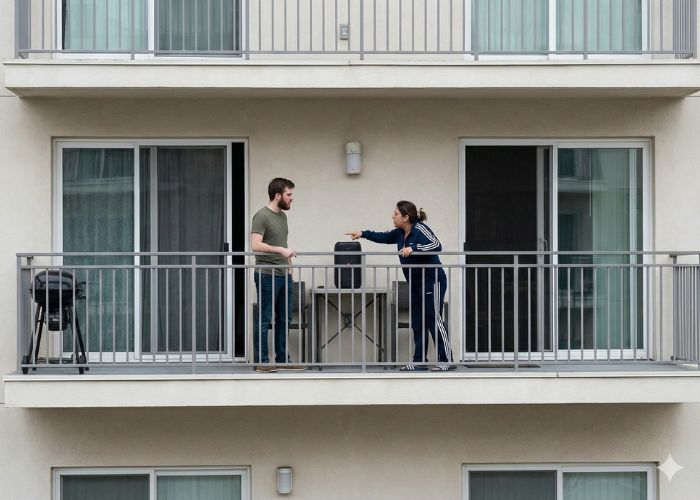
Noise, smoke, strong smells, and late-night gatherings are classic HOA neighbor issues. These problems often feel personal, which makes them harder to solve. Owners may expect the board to act as a referee in every neighborly dispute.
Begin by checking whether the complaint falls under your nuisance rules or local ordinances. Many documents describe a nuisance as an activity that unreasonably interferes with another resident’s use and enjoyment of their home. If the behavior truly violates the standards, follow your normal enforcement process.
Where possible, encourage direct, polite communication between neighbors before taking formal action. Sometimes a simple conversation about quiet hours or shared walls can resolve the tension. If things keep escalating, the board or management company can help guide both parties back to the rules and offer practical options, such as mediation.
Parking and Vehicle Problems
Parking is another source of frequent resident complaints. Homeowners may be unhappy about limited guest parking, long-term street parking, oversized vehicles, or commercial trucks parked in driveways. These issues usually affect both safety and appearance.
Your starting point should be the governing documents and any separate parking policy. Make sure the rules address common situations, such as overnight parking, reserved spaces, fire lanes, and disabled access. If the rules are outdated or unclear, work with association counsel to update them, then communicate the changes clearly to everyone.
To reduce conflict, enforce parking rules consistently. Use warning notices before towing when permitted by your documents, and keep detailed records of each step. Regular reminders in newsletters, email blasts, and signage can also help reduce misunderstandings.
Landscaping, Curb Appeal, and Exterior Changes
Owners often disagree about landscaping standards, yard maintenance, and exterior modifications. One homeowner might see a creative project, while the neighbor sees a violation. Architectural review and landscaping rules are common targets of resident complaints, especially when approvals feel slow or inconsistent.
Make sure your architectural guidelines are specific. Include information on paint colors, roofing materials, fencing styles, front yard plants, and timelines for seasonal maintenance. A checklist for applications, along with clear deadlines for responses, helps owners feel the process is fair.
When a request is denied, explain the reasons in writing and point to the exact section of the guidelines or CC&Rs. Offering alternative suggestions, such as approved colors or materials, shows that the board is working with the owner rather than simply shutting down the project.
Maintenance and Repair Delays
If common areas look worn out or repairs drag on for months, complaints will follow. Homeowners expect their dues to cover the timely maintenance of roofs, roads, elevators, pools, and other shared assets. When they do not see progress, they may question where their money is going.
A strong maintenance plan can prevent many of these concerns. Use a written schedule for inspections and routine work, and share the highlights with the community so people know what to expect. When a problem arises, such as a broken gate or leaking pipe, update residents on the status, even if the fix will take time.
Vendor selection matters as well. Working with reliable contractors, tracking response times, and reviewing performance regularly can help the board avoid repeated delays. In larger communities, an experienced management company can coordinate bids, supervise work, and keep projects on schedule.
Assessment Increases and Special Assessments
Money is always a sensitive topic, so it is no surprise that assessments are among the most common HOA complaints. Owners may be upset about annual increases, new fees, or special assessments for major projects. Often, the frustration comes from surprise rather than the amount itself.
Transparency is key. Build your annual budget on realistic numbers for insurance, utilities, reserves, and maintenance. Then explain how assessments support those costs. Charts, simple summaries, and examples can make the numbers feel less intimidating for homeowners.
When a special assessment is necessary, give owners as much notice as possible. Explain why reserves are not enough to cover the work and how the project will benefit the community over time. Offering payment plans where allowed by your documents can also ease the strain on household budgets.
Communication Gaps and Lack of Transparency
Many resident complaints are really communication problems. People may say the board is secretive or that they never hear about decisions until it is too late. In some communities, owners feel they have nowhere to bring questions or ideas.
To improve trust, set up regular communication channels. This might include email updates, a simple website, bulletin boards, or a printed newsletter for those who prefer paper. Use these tools to share meeting dates, project updates, rule reminders, and contact information for the board or management company.
Listening is just as important. Consider offering an open forum at board meetings, a dedicated email address for concerns, or an online form for resident complaints. When people see that their messages are received, logged, and answered, they are less likely to escalate issues outside the community.
Personal Conflicts
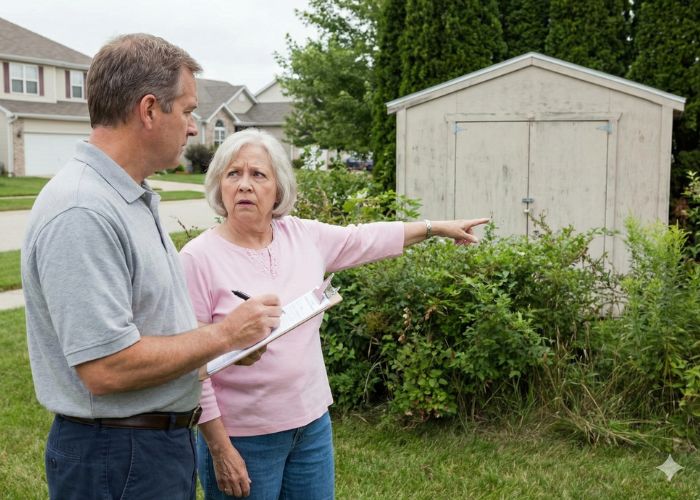
Some of the hardest situations involve direct conflict between neighbors. Disputes can involve noise, pets, parking, children playing in shared areas, or comments on social media. While the board is not responsible for every personal disagreement, it does have a role when the conflict involves rules or harassment.
Begin with neutrality. Ask each party to describe the situation in writing and provide dates, photos, or other details when possible. Then compare the information to your governing documents and any applicable law. If the issue fits within nuisance, harassment, or rule provisions, follow your enforcement and hearing process.
Encouraging respectful communication can sometimes calm things down before formal steps are needed. However, if there are safety concerns or threats, advise residents to contact law enforcement and consult association counsel for guidance on the board’s responsibilities.
Board Conduct, Fairness, and Trust
Homeowners pay close attention to how board members behave. Complaints may claim that the board is playing favorites, ignoring conflicts of interest, or making decisions outside meetings. In some states, these concerns are among the most frequent types of HOA complaints reported to regulators.
Good governance goes a long way. Follow open meeting requirements, keep minutes that focus on decisions, and document votes clearly. Board members should avoid discussing association business with vendors or owners in ways that bypass the rest of the board.
It is also wise to adopt written policies on ethics, conflicts of interest, and use of association resources. Training new board members and partnering with a qualified management company can help keep everyone aligned with best practices.
Pet Problems and Other Everyday Nuisances
Pets are beloved family members, but they are also a frequent source of resident complaints. Issues often involve barking, pets off leash, waste not being picked up, or animals in restricted areas. Similar concerns can arise around trash cans, smoking, or use of shared facilities.
Review your pet and nuisance rules to see whether they address the concerns you are hearing. Clear limits on leash use, waste cleanup, number of pets, and restricted areas can make enforcement more straightforward. It helps to include the possible consequences of repeated violations so owners know what to expect.
Education can reduce friction here too. Friendly reminders in newsletters, pet waste stations, and clear signage often encourage better behavior without immediate fines. When enforcement is necessary, keep the tone professional and focused on the rule, not the person.
Creating a Clear Process for HOA Complaints

Even the best run communities will always receive complaints. What matters most is how predictable and fair your process feels. A written complaint policy gives both owners and the board a roadmap to follow.
Many associations use a simple structure. Owners submit concerns in writing, the board or management logs the complaint, and someone is assigned to review the issue against the governing documents. Then the association responds within a set timeframe, even if the answer is that more research is needed.
Tracking complaints over time can reveal patterns. If you notice repeated issues with the same rule, vendor, or area of the property, that may be a sign that the policy, contract, or maintenance plan needs attention at a higher level.
Having the Proper Response
Every association will face a steady flow of questions, concerns, and frustrations from time to time. When your board understands the most common HOA complaints and responds with clear communication and consistent procedures, conflict becomes easier to manage. Over time, that steady approach can build a community where residents feel heard, even when the answer is not the one they hoped for.
Related Articles:
- Possible HOA Board Conflict Of Interest Issues And How To Handle Them
- HOA Annual Check-up: What to Include in Your List
- HOA Board Training: Practical Skills That Build Better Decisions
Trending Now

Related Article



Sign up for Our Monthly Newsletter
Sign up below for monthly updates on all HOA Resource