Remote Landlord Tips: How to Stay in Control From Anywhere
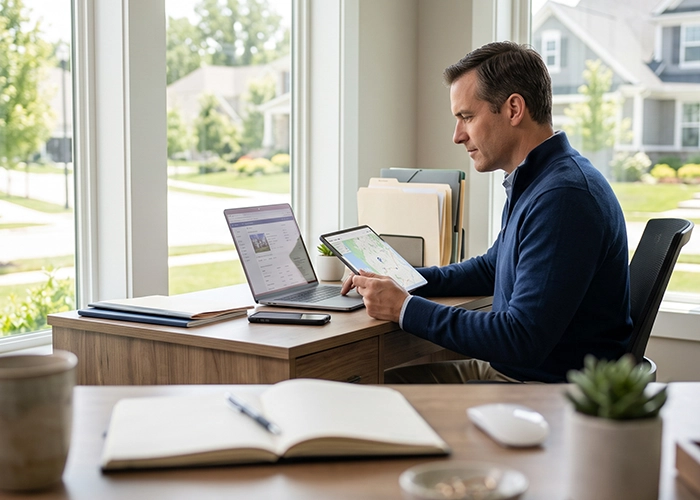
These remote landlord tips can help property owners stay organized, maintain positive tenant relationships, and protect their investments no matter where they live.
Browse By Category
Sign up for Our Newsletter

Sign up for Our Newsletter
Trending Now

These remote landlord tips can help property owners stay organized, maintain positive tenant relationships, and protect their investments no matter where they live.
Smart Strategies for Successful Property Management
Being a successful remote landlord is not about being physically present. It is about creating reliable processes, using the right technology, and building a trusted support network.
Many landlords discover that distance management becomes much easier once they establish clear expectations and leverage modern tools. With preparation and consistency, you can maintain control while reducing stress and unnecessary travel.
Build Strong Communication With Tenants
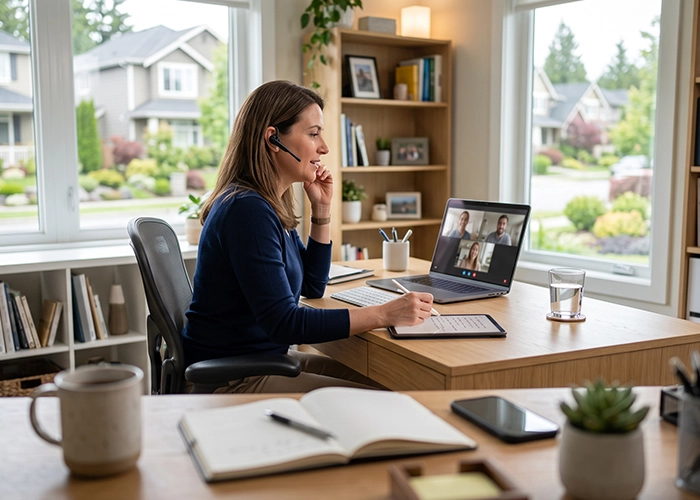
Communication becomes even more important when you are managing a property remotely. Since tenants cannot easily meet with you in person, they need to know how and when they can reach you.
Start by establishing preferred communication channels. Whether you use email, phone calls, text messaging, or a tenant portal, consistency helps prevent confusion. Let tenants know your expected response times and the best way to report issues.
Regular communication also builds trust. Even a brief check-in every few months can help tenants feel supported and encourage them to report concerns before they become larger problems.
Consider sharing a contact sheet that includes:
- Your contact information
- Emergency maintenance contacts
- Local service providers
- Property management contacts, if applicable
Clear communication reduces misunderstandings and helps create a more positive rental experience for everyone involved.
Use Property Management Software
Technology has transformed the way landlords manage rental properties. Today, many tasks can be handled from virtually anywhere with an internet connection.
Property management software allows landlords to:
- Collect rent online
- Track maintenance requests
- Store lease documents
- Manage tenant communication
- Monitor financial reports
- Schedule reminders and inspections
Instead of juggling spreadsheets, emails, and paper files, landlords can keep everything in one centralized location.
Digital tools also improve transparency. Tenants can submit requests, view payment histories, and access important information without waiting for a response from the landlord.
For remote landlords, these platforms often become the foundation of an efficient management strategy.
Create a Reliable Local Support Team
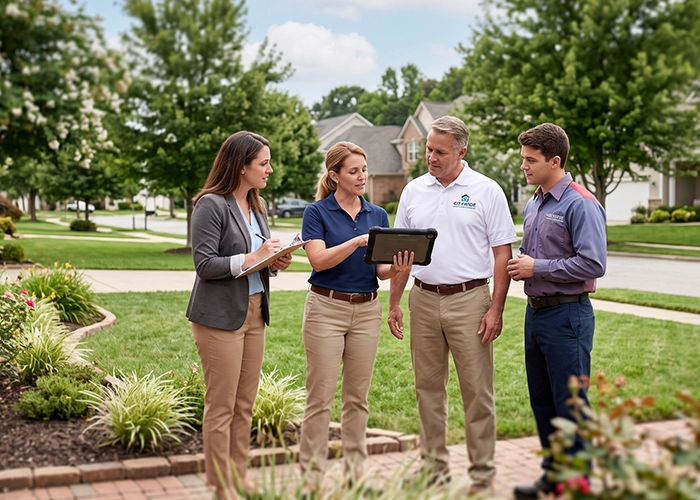
One of the biggest challenges of remote ownership is handling situations that require an on-site presence. This is why building a trusted local team is essential.
Your support network may include:
- Licensed contractors
- Plumbers
- Electricians
- HVAC technicians
- Handymen
- Cleaning services
- Landscapers
- Property inspectors
Having established relationships before emergencies occur can save significant time and money.
When an urgent repair arises, you do not want to spend hours searching for qualified vendors. Instead, you can immediately contact professionals you already know and trust.
A dependable local team acts as your eyes and ears when you cannot be there yourself.
Schedule Regular Property Inspections
Distance should never prevent landlords from monitoring the condition of their properties.
Routine inspections help identify maintenance concerns, lease violations, and potential safety issues before they become costly problems. Depending on local laws and lease terms, landlords can arrange periodic inspections throughout the year.
During inspections, look for:
- Signs of water damage
- HVAC performance issues
- Plumbing concerns
- Safety hazards
- Unauthorized occupants
- Property damage
Professional inspectors can provide detailed reports and photos, allowing remote landlords to stay informed without visiting the property personally.
Documentation from inspections also creates valuable records should disputes arise later.
Develop a Maintenance Response Plan
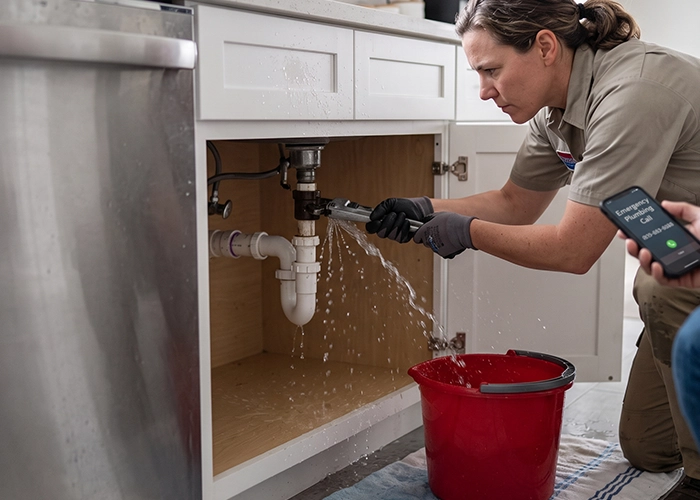
Maintenance emergencies can happen at any time. A pipe may burst overnight, an HVAC system may fail during a heat wave, or a storm could damage part of the property.
Remote landlords should prepare for these situations before they occur.
Create a maintenance response plan that outlines:
- Emergency contact procedures
- Approved vendors
- Spending limits for repairs
- Communication expectations
- Follow-up processes
Tenants should know exactly who to contact when urgent issues arise.
When everyone understands the process, repairs can be addressed quickly, minimizing damage and tenant frustration.
Keep Detailed Digital Records
Organization plays a major role in successful remote property management.
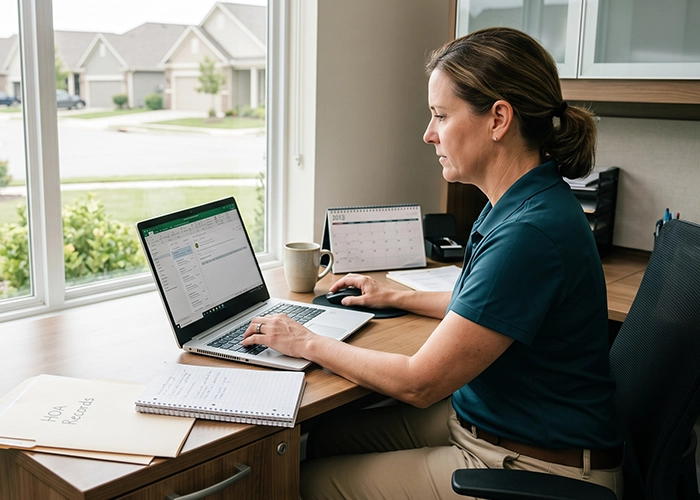
Every document related to the property should be stored digitally and backed up securely. This includes leases, inspection reports, maintenance invoices, insurance policies, financial statements, and tenant communications.
Digital recordkeeping offers several benefits:
- Faster access to information
- Better financial tracking
- Simplified tax preparation
- Improved legal protection
- Reduced paperwork
Cloud-based storage systems make it easy to access files from any location.
When questions or disputes arise, having complete records readily available can save time and protect your interests.
Screen Tenants Carefully
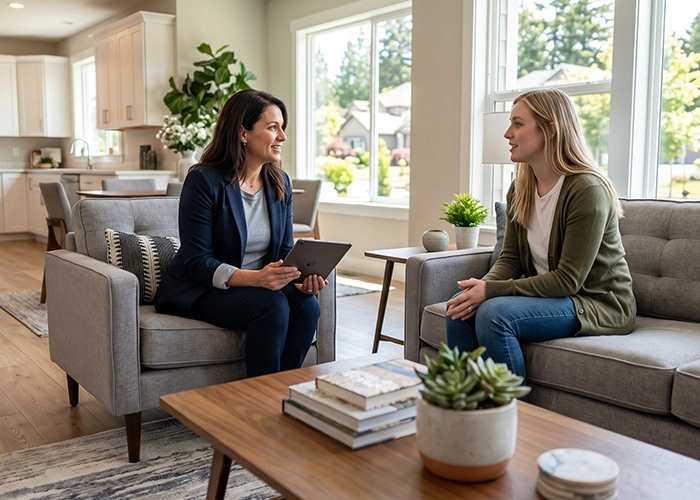
Tenant selection is important for every landlord, but it becomes even more critical when managing remotely.
Reliable tenants often require less oversight and are more likely to report problems promptly. Thorough screening can help reduce turnover, property damage, and payment issues.
A comprehensive screening process should include:
- Rental history verification
- Employment verification
- Income confirmation
- Credit evaluation
- Background checks
- Reference checks
While no screening process is perfect, taking the time to evaluate applicants carefully can help prevent future complications.
Strong tenants often become one of a remote landlord’s greatest assets.
Automate Rent Collection
Collecting rent in person is not practical for remote landlords. Fortunately, online payment systems make the process simple and efficient.
Automated rent collection provides benefits for both landlords and tenants.
For landlords, it helps:
- Reduce late payments
- Improve cash flow
- Create payment records
- Eliminate paper checks
- Save administrative time
For tenants, online payment options offer convenience and flexibility.
Many property management platforms include automatic payment reminders and recurring payment options, making the process even smoother.
The less manual work involved, the easier it becomes to manage properties from a distance.
Understand Local Laws and Regulations
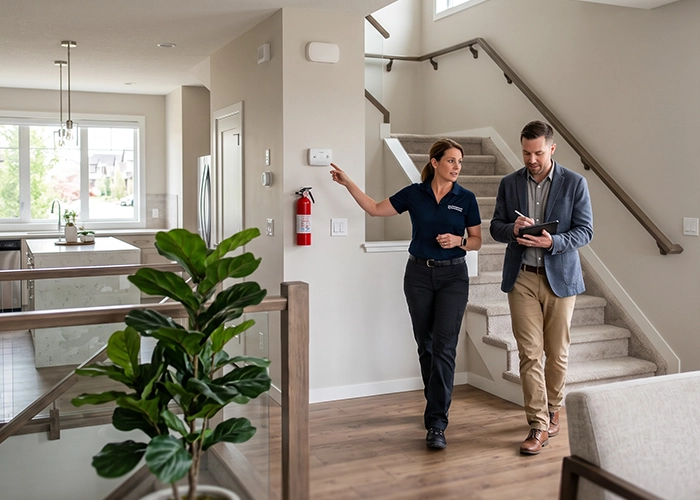
Even if you live hundreds of miles away, you remain responsible for complying with local landlord-tenant laws.
Regulations can vary significantly from one state, county, or municipality to another. Remote landlords should stay informed about requirements involving:
- Security deposits
- Fair housing compliance
- Lease agreements
- Eviction procedures
- Property maintenance standards
- Notice requirements
Failing to follow local regulations can result in costly penalties and legal disputes.
When managing properties in unfamiliar jurisdictions, consulting with legal professionals or experienced property managers can provide valuable guidance.
Maintain Adequate Insurance Coverage
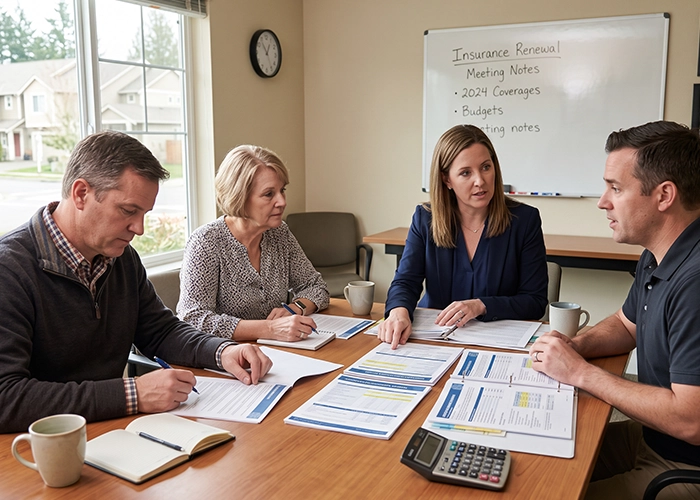
Unexpected events can affect any rental property. Storms, fires, vandalism, and liability claims can create significant financial exposure.
Review your insurance coverage regularly to ensure it reflects your property’s current needs.
Coverage may include:
- Landlord insurance
- Property damage protection
- Liability coverage
- Loss of rental income coverage
- Umbrella liability policies
Remote landlords should also verify that vendors working on the property carry appropriate insurance.
Proper coverage helps protect both your property and your financial stability.
Establish Clear Lease Expectations
A well-written lease serves as the foundation for a successful landlord-tenant relationship.
Remote landlords benefit from detailed lease agreements that clearly outline responsibilities, policies, and procedures.
Key areas to address include:
- Rent payment requirements
- Maintenance responsibilities
- Property access procedures
- Occupancy limits
- Pet policies
- Communication expectations
- Lease renewal terms
Clear expectations reduce confusion and provide a framework for resolving disputes if they arise.
When tenants understand the rules from the beginning, management often becomes much easier.
Consider Hiring a Professional Property Management Company
Some landlords enjoy handling day-to-day operations themselves. Others find that professional management provides valuable peace of mind.
A property management company can assist with:
- Tenant screening
- Rent collection
- Maintenance coordination
- Inspections
- Financial reporting
- Lease enforcement
- Legal compliance
For landlords who own multiple properties or live far from their rentals, professional management can be especially beneficial.
While management services involve additional costs, many owners find that the convenience and expertise justify the investment.
Leverage Technology for Virtual Oversight
Technology continues to create new opportunities for remote landlords.
Several tools can provide greater visibility into property operations, including:
- Smart locks
- Video doorbells
- Water leak detection systems
- Smart thermostats
- Security cameras in permitted areas
- Remote monitoring devices
These technologies can help identify issues early and improve communication between landlords, tenants, and service providers.
When used responsibly and in compliance with privacy laws, they can significantly enhance remote management capabilities.
Stay Proactive Rather Than Reactive
One of the most effective habits for remote landlords is maintaining a proactive mindset.
Waiting for problems to develop often leads to larger expenses and greater tenant dissatisfaction. Instead, focus on preventive maintenance, routine inspections, and consistent communication.
Small actions performed regularly can prevent many common rental property challenges.
By staying involved and informed, remote landlords can maintain strong control over their investments regardless of physical location.
Stay Informed, In Control From Anywhere
Managing property remotely doesn’t have to mean losing visibility or control. With the right systems in place, you can stay informed, respond quickly, and confidently oversee your investments from anywhere in the world.
Find the right connections faster and manage with confidence. Explore our directory today to simplify management, enhance visibility, and stay effortlessly connected to what matters most.
Related Articles:
Trending Now

Related Article
Sign up for Our Monthly Newsletter
Sign up below for monthly updates on all HOA Resource