

HOA Vendor Hiring Mistakes: Common Errors Boards can Avoid
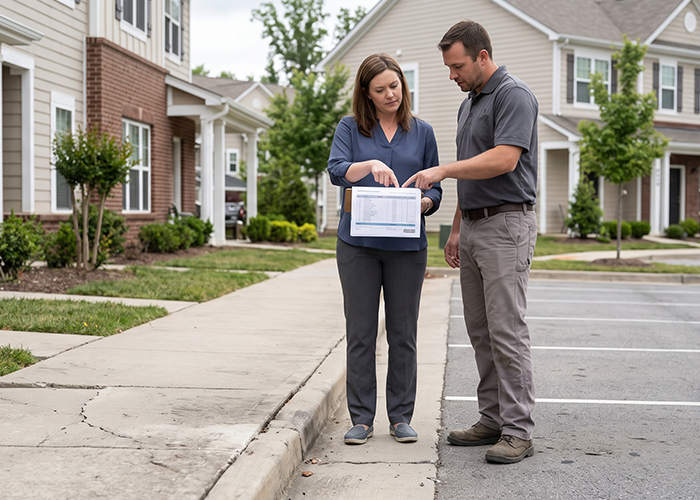
Hiring a contractor or service provider can shape how residents experience their community for months or even years.
Browse By Category
Sign up for Our Newsletter


Sign up for Our Newsletter
Trending Now


Hiring a contractor or service provider can shape how residents experience their community for months or even years.
Start With an Unclear Scope
By learning to spot common HOA vendor hiring mistakes, boards can set clear expectations, protect the association’s budget, and choose a partner who can deliver dependable work.
Before a board asks vendors to submit proposals, it needs to explain the work. A request that says “repair the pool deck” or “improve the landscaping” leaves too much room for interpretation.
One vendor may include materials and cleanup, while another may price only the labor. Both bids can look reasonable until the board compares what each one actually covers.
Write a scope of work that gives every vendor the same starting point.
- Describe the area
- the work to be completed
- the materials or service level you expect
- and any limits that affect the job.
Include access rules, work hours, resident notices, and how the vendor should handle unexpected conditions.
The scope should also explain what a finished job looks like. If the project involves painting, name the surfaces and finish. If it involves tree care, identify the trees and describe the requested service. For ongoing work, such as cleaning or pool maintenance, list the frequency, tasks, and service standards the community expects.
When the work is complex, consider a site visit before bids are due. Vendors can see access points, drainage, parking, and other conditions that may affect their estimates.
Give each bidder the same information and a fair chance to ask questions. Share answers with all bidders so no one has an advantage based on a private conversation.
Boards can use a short request for proposal, or RFP, to organize the details. It does not need to be complicated. A useful RFP usually includes:
- A clear description of the work and the community location.
- The expected start date, deadline, and work hours.
- Required materials, service levels, or project standards.
- Insurance, licensing, and safety requirements.
- A request for itemized pricing, references, and relevant experience.
- The deadline and method for submitting questions and proposals.
Clear requests help vendors prepare complete bids. They also make it easier for the board to explain why one proposal offers a better fit than another.
Choosing the Lowest Bid can Cost More

Every board has a duty to spend association funds carefully. That does not mean the lowest price is always the best choice. A low bid may leave out important work, rely on lower-grade materials, or assume conditions that do not match the property. A low starting price can grow through change orders, missed tasks, or early repairs.
Compare the whole proposal, not just the total at the bottom. Review the following:
- Labor
- Materials
- Schedule
- Cleanup
- Warranty
- Any exclusions
Ask vendors to explain differences in price. A much lower bid may be a good deal, but the board should understand why it is lower before making a decision.
Value also includes the vendor’s ability to complete the job with little disruption. A contractor who has worked in occupied communities may know how to keep walkways safe, protect landscaping, and give residents notice.
A service company with a reliable backup plan may be worth more than one that offers a lower monthly fee but cannot cover staff absences.
Create a simple scoring sheet before the board reviews proposals. Use the same factors for every vendor and agree on their importance in advance. For example, the board could score each proposal on:
- How well it meets the scope of work.
- Relevant work in similar communities.
- References and quality of past work.
- Price, payment terms, and included services.
- Schedule, staffing, and communication plan.
- License, insurance, and safety practices.
The scoring sheet does not make the decision by itself. It gives board members a consistent way to discuss the tradeoffs and record why a vendor was selected.
If the board chooses a proposal that is not the cheapest, it can point to the experience, service level, or terms that made it the better value.
Be cautious when a proposal is vague about add-on costs. Ask how the vendor bills for:
- Extra work
- Supplies
- Travel
- Delays caused by weather or site conditions.
Agree on a process for approving changes before work begins. This helps prevent a small project from turning into an open-ended expense.
Check the Vendor’s Track Record and Credentials
A polished proposal can make a vendor look ready for the job. To understand how the work is likely to go, the board should also check the vendor’s track record, qualifications, and insurance.
Start with recent references from clients who had similar properties or projects. Then make the calls. Ask about the parts of the working relationship that a proposal can’t show:
- Did the vendor arrive when expected and stay within the agreed scope?
- Were updates clear and timely?
- How did the company handle complaints, schedule changes, or mistakes?
- Would the client hire the vendor again? What would they do differently next time?
Next, confirm that the vendor is qualified and properly covered. Licensing and insurance requirements vary by trade and location, so check with the relevant licensing authority and request current documents. Depending on the project, the association may also want its attorney or insurance professional to review the requirements.
Before moving forward, make sure:
- Any required licenses are current.
- Proof of general liability insurance is up to date.
- Workers’ compensation coverage is in place when applicable.
- The documents name the same business that submitted the proposal.
- Someone is responsible for checking the credentials and insurance of any subcontractors.
A verbal assurance that “everything is covered” isn’t a substitute for documentation. These checks are a normal part of selecting a vendor and help the board understand who will work on community property and what protections are in place. Keep copies with the proposal and contract so the information is easy to find later.
Put the Project in Writing

A handshake may start a good working relationship, but a clear contract helps keep the project on track. It gives the board and vendor one shared record of what they agreed to do.
Make sure the contract matches the approved proposal and covers the essentials:
- Scope of work, price, and payment schedule
- Start date, milestones, and completion date
- Site access, property protection, cleanup, and communication
- Subcontractors, warranties, and insurance
- How changes, disputes, or termination will be handled
Tie payments to completed work, especially on larger projects. Require written approval for changes to the scope, price, or schedule, and name who can approve them on the association’s behalf.
Read the vendor’s standard contract carefully and ask about unclear terms. For significant or higher-risk projects, have the association’s attorney review it before anyone signs.
Make a Fair Choice and Follow the Approval Rules
Urgent repairs and strong resident opinions can put pressure on the board. A clear selection process helps keep the decision fair:
- set the criteria before reviewing proposals,
- apply them consistently
- ask board members to disclose any personal or financial ties to a bidder.
Before approving the work, confirm who can authorize the project and sign the contract. Governing documents, state law, or board policies may require a vote or limit spending. If an emergency calls for quick action, document why the board moved ahead and how it protected the association.
For complex projects, a manager or qualified professional can help the board weigh the details while the board follows its approval process.
Keep the Project on Track After You Hire

Hiring the right vendor is only the first step. Clear communication helps the work stay organized and keeps residents, board members, and contractors from sending mixed messages.
Before the project begins:
- Agree on who will serve as the main contact
- How often the vendor will share updates
- Who can approve routine decisions
- How urgent issues should be handled.
Put those details in the contract or project plan. If something goes wrong, speak up early. Describe the concern, refer to the agreed scope or schedule, and ask the vendor for a solution and a realistic timeline.
Keep a record of the conversation and response. Addressing issues promptly gives the vendor a fair chance to make things right before a small setback grows into a larger dispute.
When the work is finished, confirm in writing that all tasks are complete. Review any remaining costs, warranties, and maintenance needs. Recognize what went well and note what could improve.
A thoughtful closeout protects the association’s records and gives the board a stronger starting point for its next project.
Keep a Clear Record of Every Vendor Decision
Vendor searches can stretch across weeks or months, involve several people, and leave the board with a pile of proposals, questions, and follow-ups. Without a clear record, important details can vanish when volunteers change or a manager leaves.
The next board may be left wondering why a vendor was chosen, what the contract promised, or how a past issue was resolved.
Create one organized file for each major vendor search. Keep the following:
- Original scope of work
- RFP
- Proposals
- Questions and answers
- Scoring sheets
- Reference notes
- License and insurance documents
- Meeting decisions
- Signed contract
- Invoices
- Completion records together.
For routine services, save the agreement, renewal dates, service logs, and key communications.
Choose a consistent home for those records, such as the association’s approved system or a clearly labeled shared folder. Follow the association’s retention policy and make sure authorized board members know where to find the files. Larger communities may prefer management software that keeps vendor contacts, contracts, insurance dates, and project documents in one place.
Good records also make decisions easier to explain. Meeting minutes can note which proposals the board reviewed, what criteria it used, and why it selected a vendor.
The minutes don’t need to capture every comment; they should show that the board followed the proper process and considered the association’s needs.
When the contract comes up for renewal, a project record can be especially useful. Notes on deadlines, communication, completed work, and resolved concerns help the board assess the vendor based on the full relationship, not just the most recent interaction.
Build a Reliable HOA Vendor Selection Process

Boards do not need to make vendor hiring complicated to make it thorough. A repeatable process gives each vendor a fair opportunity and helps the association make decisions that stand up over time.
It also gives managers and board members a clear path from the first request to the final invoice.
For each project, begin by confirming the need and budget. Decide who will prepare the scope, gather bids, answer vendor questions, and bring a recommendation to the board.
Check the governing documents, association policies, and applicable law for any requirements on bids, approvals, or conflicts of interest.
Then use a consistent sequence:
- Define the work and the result the community expects.
- Invite qualified vendors to review the same information.
- Compare complete proposals using agreed-upon factors.
- Check references, licenses, insurance, and availability.
- Approve the vendor and terms through the proper board process.
- Sign a written contract and name the association’s point of contact.
- Track progress, document changes, and confirm the work is complete.
The board should also decide how it will communicate with residents. A roof repair, paving project, or pool renovation may affect parking, noise, access, or amenities.
Timely updates can reduce frustration and help residents plan around the work. The vendor should know which person can share updates and how urgent concerns should be reported.
Once work starts, stay engaged without creating confusion about who is in charge. The board or manager can check progress against the scope, raise concerns early, and keep notes. Residents may share useful observations, but the vendor should receive instructions through the designated contact. That helps prevent mixed messages and unauthorized changes.
When the project is done, review the work before making the final payment if the contract allows for that process.
Confirm that agreed tasks are complete, collect warranties and manuals, and record any follow-up items. A short review with the vendor can help the board understand what went well and what should change for the next project.
Make Your Next Vendor Decision Count
A successful vendor relationship starts with clear expectations, a fair review, and a solid agreement. With an organized process, your board can protect community funds and keep projects on track.
Before the next project begins, define the work and decide how you’ll compare proposals. A little preparation helps everyone move forward with confidence.
Need help managing vendor bids or community projects? Explore our directory for practical support that keeps your HOA’s priorities moving forward.
Related Articles:
Trending Now

Related Article


Sign up for Our Monthly Newsletter
Sign up below for monthly updates on all HOA Resource